Youth Programs: What They Are and How They Shape Young Leaders
When we talk about youth programs, structured activities designed to support the growth, learning, and leadership of young people outside of regular school hours. Also known as youth development initiatives, they include everything from after-school clubs to national organizations like 4-H, a hands-on youth organization focused on head, heart, hands, and health and scouting, a long-standing global network that teaches practical skills and character through outdoor and community projects. These aren’t just babysitting services—they’re pipelines for future leaders, problem-solvers, and engaged citizens.
Youth programs work because they give young people something school often doesn’t: real responsibility, peer connection, and a chance to lead. Whether it’s a 13-year-old running a small club project, a teen volunteering with AIESEC, the world’s largest youth-run organization offering international internships and global problem-solving experiences, or a student learning coding in an after-school group, these experiences build confidence, teamwork, and grit. The best ones don’t just fill time—they create purpose. And they’re not just for kids with rich parents. While some elite clubs focus on fencing or robotics, the real power lies in accessible programs that let any kid try something new, fail, try again, and grow.
What makes a youth program stick? It’s not the fancy equipment or big budget. It’s trust. It’s consistency. It’s a leader who shows up, listens, and lets kids have a real voice. That’s why some after-school clubs thrive while others fade. It’s also why organizations like the YMCA, started in 1844 to support young men in cities, still matter today—they adapted, stayed rooted in real needs, and kept the focus on people, not programs.
Below, you’ll find real stories, practical tips, and clear examples of what’s working in youth programs right now. Whether you’re a parent trying to find the right club, a teacher starting a new group, or a teen looking for your next step, these articles give you the tools—not just the ideas.

What is Fun Friday at School? A Guide to After-School Clubs
Discover what Fun Friday really means for students and schools. Learn how after-school clubs boost engagement, mental health, and skills.
Detail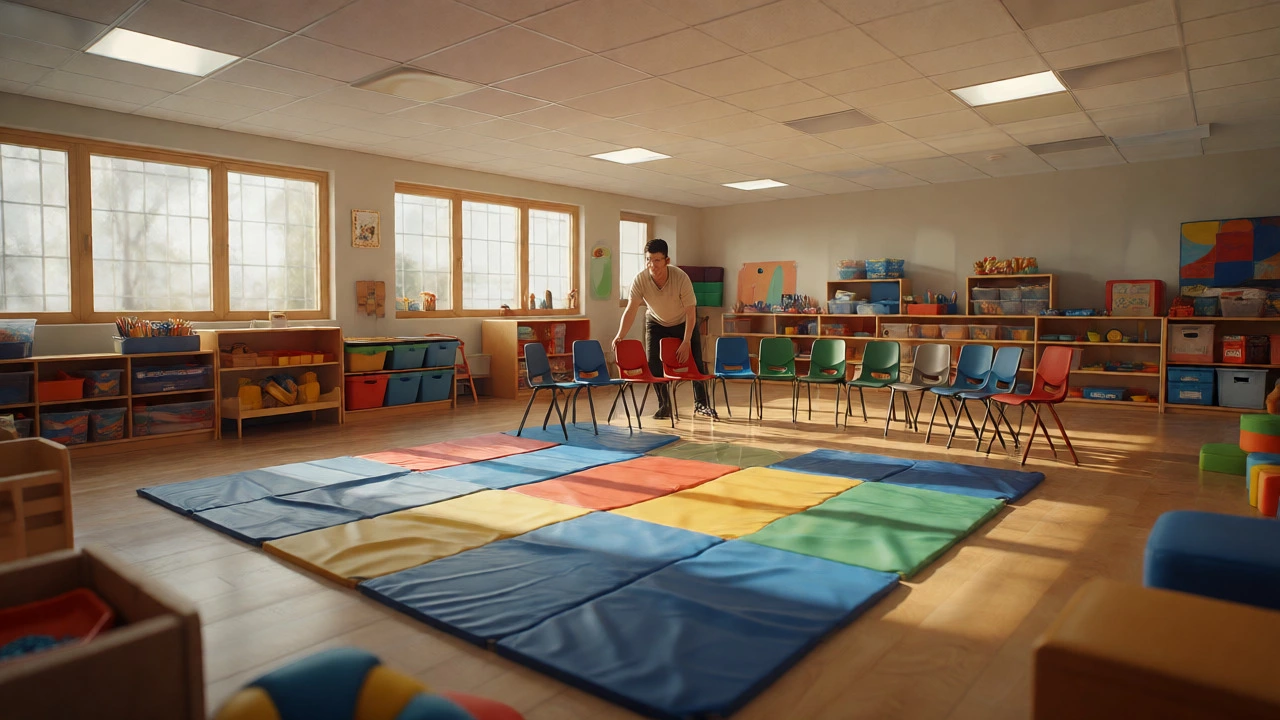
How to Set Up a Kids Group: A Practical Guide for After-School Clubs
Learn how to set up a successful after-school kids group. From legal safety checks and insurance to venue selection and engaging parents, this guide covers practical steps for launching a sustainable youth program.
Detail
Why Kids Are Starving After School: The Science of the 3 PM Crash
Discover why kids get hungry right after school. Learn how growth spurts, brain energy demands, and blood sugar crashes drive afternoon hunger, plus tips for better snacking.
Detail
How to Set Up a Successful Out of School Club
Learn how to launch a successful out of school club by mastering safety, funding, and volunteer management. Discover practical steps for creating a sustainable youth program.
Detail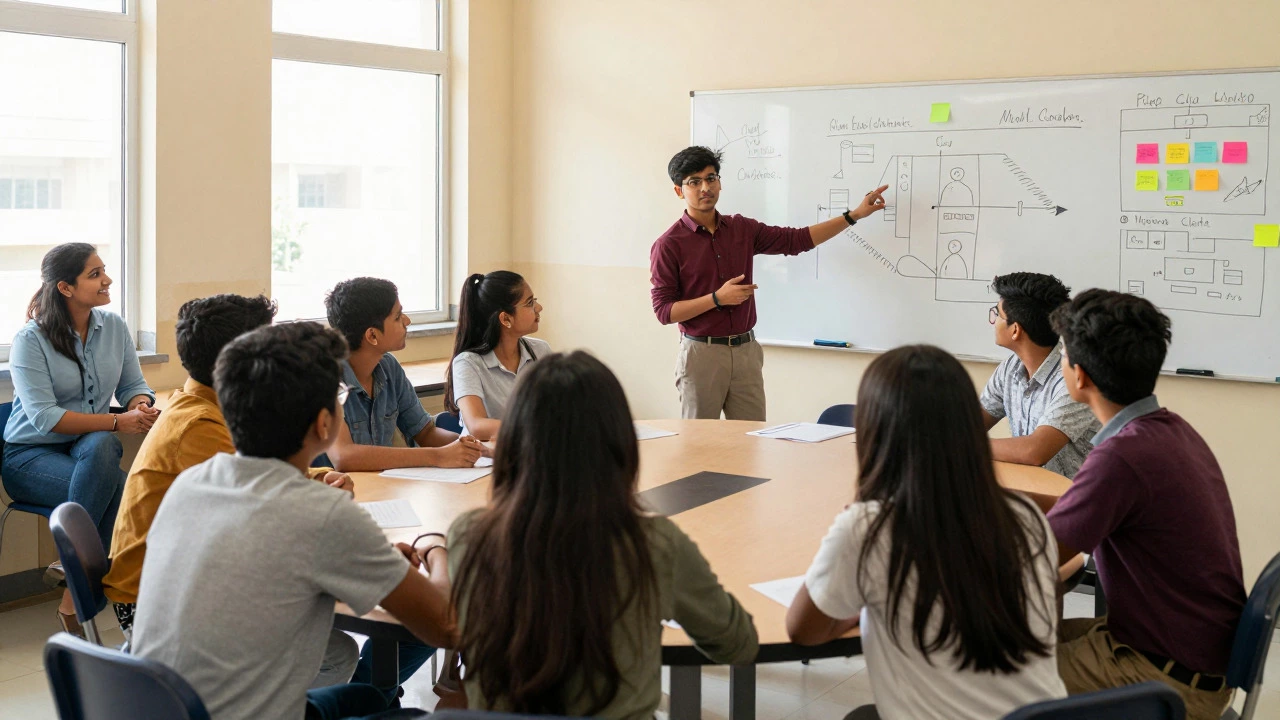
What is a Club Good Example? Real-World After-School Models
Discover what makes an after-school club truly successful. Learn about student-led structures, peer mentorship, and practical examples that boost engagement and build real-world skills.
Detail
How Many Extracurriculars Should Kids Have? A Realistic Guide for Parents
Discover the ideal number of extracurriculars for kids to avoid burnout. Learn how to balance activities, recognize stress signs, and foster healthy growth.
Detail
What Clubs Does a Kid Need? A Practical Guide to Choosing After-School Activities
Discover which after-school clubs truly benefit your child's development. Learn to balance physical, social, and creative activities without burning out or breaking the bank.
Detail
What Is an After-School Activity Called? Names, Types, and Benefits Explained
Discover the various names for after-school activities, from extracurriculars to enrichment programs. Learn how to choose the right option for your child's growth.
Detail
How to Write a Winning School Club Proposal: A Step-by-Step Guide
Learn how to write a successful school club proposal. This guide covers finding a sponsor, defining goals, budgeting, and navigating approval processes to launch your student organization.
Detail
What Are Youth Organisations? Types, Benefits, and How They Work
Explore what youth organisations are, their types, and how they shape young lives through mentorship, skill-building, and community engagement.
Detail
What Size Driver for a 14 Year Old? Complete Golf Club Sizing Guide
Finding the right golf driver for a 14-year-old requires looking beyond height. This guide covers wrist-to-floor measurements, graphite shaft benefits, and loft recommendations to ensure proper fit and performance.
Detail
Are After School Activities Actually Worth It? The Real Benefits of Extra-Curriculars
Discover if after-school activities truly benefit children. We explore the psychological, social, and academic impacts of extracurriculars and how to avoid burnout.
DetailRelated Posts