The first organized youth group in modern history wasn’t created to teach leadership or run summer camps. It started as a quiet response to something much darker: urban loneliness, factory work, and the breakdown of family ties during the Industrial Revolution.
The Birth of the YMCA
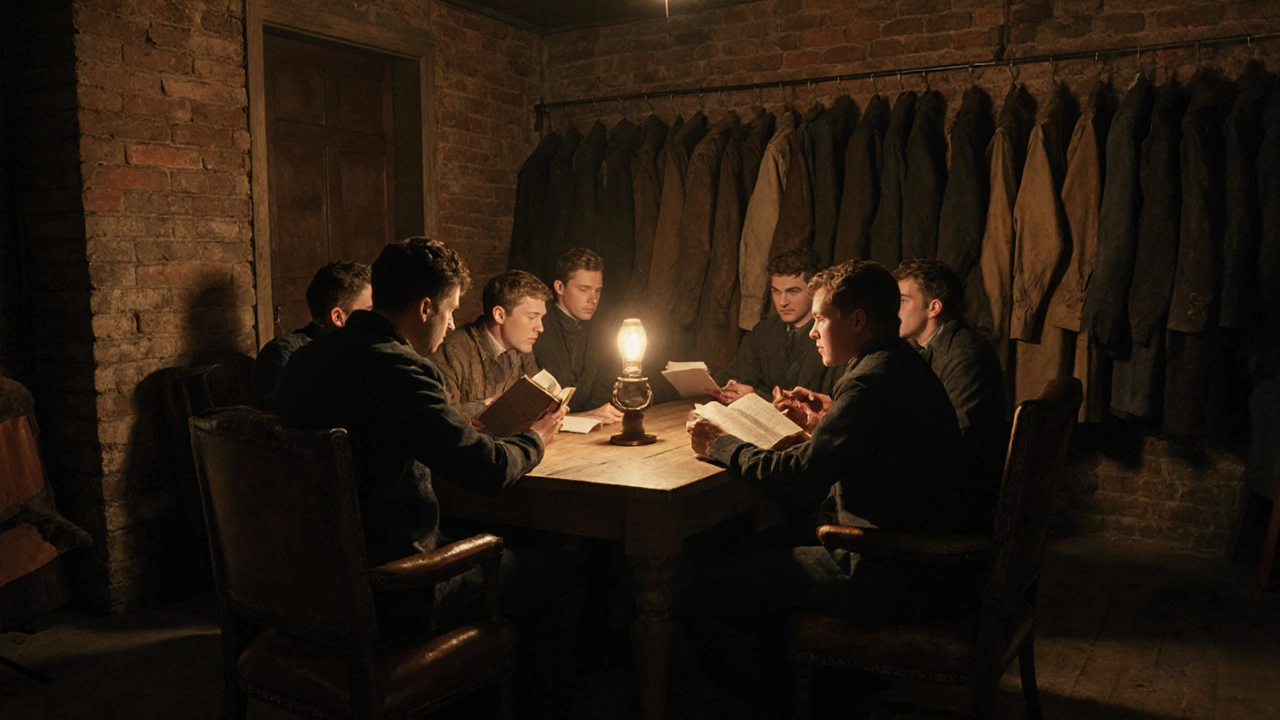
In 1844, in London, a 23-year-old carpenter named George Williams gathered 11 other young men in a clothing store basement. They weren’t planning a revolution. They weren’t even thinking about sports or music. They just wanted a place to escape the pubs, the gambling dens, and the despair that came with long hours in factories and crowded boarding houses.
That small group became the Young Men’s Christian Association (a nonprofit organization founded to support young men through moral, educational, and physical development, YMCA). It wasn’t called a youth organization at the time - the term didn’t even exist yet. But by every definition we use today, it was the first structured, long-lasting group built specifically for young people outside of school or family.
Within five years, the YMCA spread to the United States. By 1855, it had chapters in Boston, New York, and Philadelphia. The model was simple: prayer, Bible study, and mutual support. But over time, it added libraries, reading rooms, and eventually gyms and swimming pools. The YMCA didn’t just offer activities - it offered safety, structure, and belonging.
Why the YMCA Counts as the First
There were youth groups before the YMCA - religious societies, apprenticeships, guilds, even early scouting-like groups in rural Europe. But none of them were:
- Intentionally created for young people aged 15-25 as a primary focus
- Organized on a national scale with a formal structure
- Designed to serve a broad cross-section of working-class youth
- Still active today, with over 60 million members across 120 countries
The YMCA didn’t just last - it evolved. It became the template for nearly every youth group that followed. The Boy Scouts, founded in 1908, borrowed its emphasis on character and outdoor skills. The Girl Guides, started in 1910, mirrored its mission of empowerment. Even modern after-school programs owe their existence to the idea that young people need safe, structured spaces beyond home and school.
What Set It Apart From Earlier Groups?
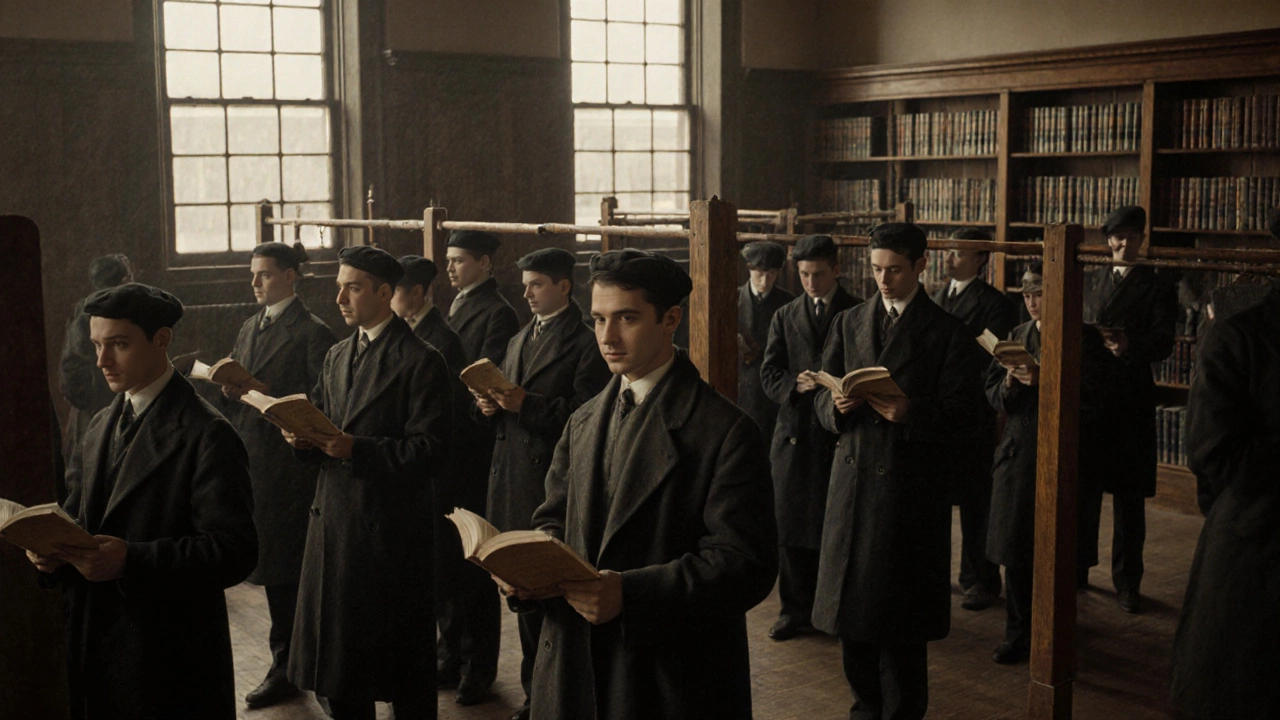
Before the 1800s, young people were either part of family businesses, apprenticeships, or religious congregations. These weren’t youth organizations - they were extensions of adult systems. The YMCA was different because it treated young men as individuals with needs separate from their parents or employers.
It didn’t require membership through family ties. You didn’t need to be from a certain town or church. All you needed was to be a young man looking for something better. That inclusivity - even if limited at first - was revolutionary.
And it worked. By 1870, the YMCA had over 100,000 members in the U.S. alone. Newspapers called it a "moral refuge." Social reformers praised it for reducing crime among young workers. By the early 1900s, it was funding scholarships, running night schools, and even helping soldiers during World War I.
The Global Spread and Legacy
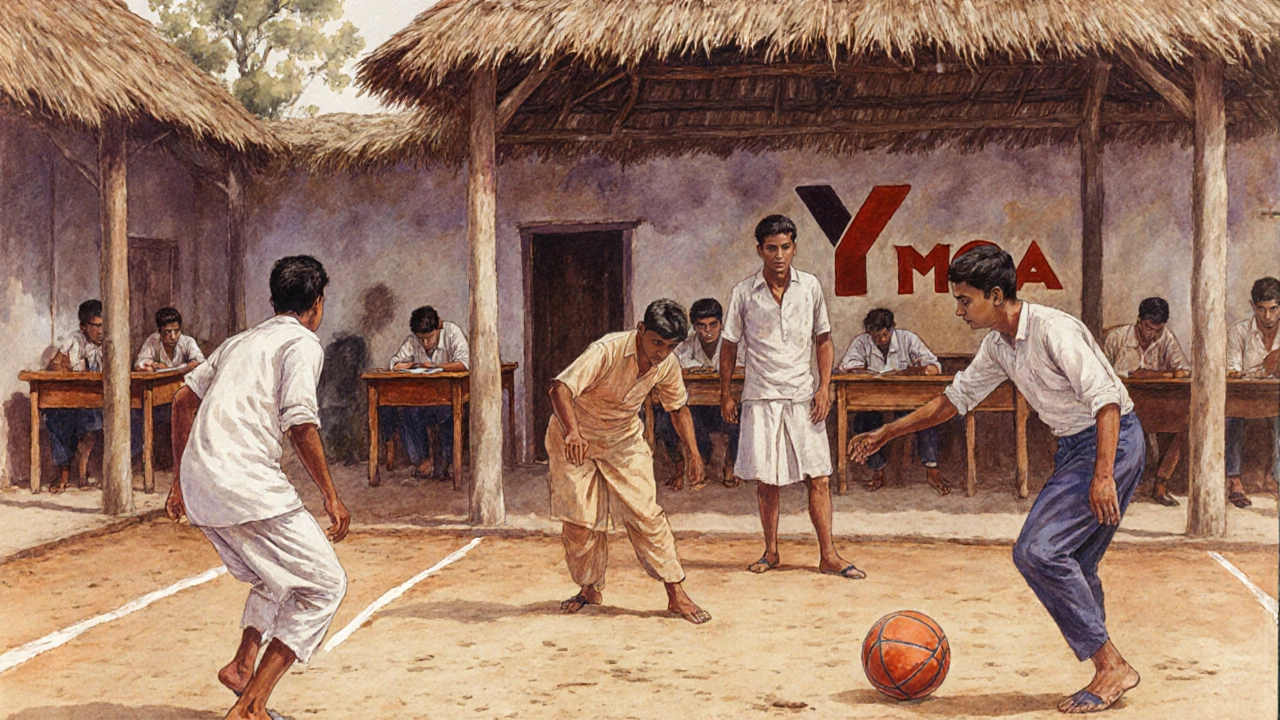
The YMCA didn’t stop in Europe or North America. By the 1880s, it had reached India, Japan, and Brazil. In each place, it adapted. In India, it added vocational training for rural youth. In Japan, it introduced Western sports like basketball - which was invented by a YMCA instructor in 1891.
The organization also pushed for racial integration earlier than most institutions. In the U.S., Black YMCAs were established in the 1850s, even in the South, because white YMCAs refused to serve them. These Black YMCAs became centers of education, civil rights organizing, and community leadership - producing figures like W.E.B. Du Bois and Jackie Robinson.
The YMCA’s legacy isn’t just in buildings or programs. It’s in the idea that young people deserve their own space - not as future adults, but as people right now.
Other Early Contenders - And Why They Don’t Qualify
Some point to the Young Men’s Hebrew Association, founded in 1854 in New York, as an early youth group. But it came a decade after the YMCA and focused narrowly on Jewish communities. Others mention the Knights of Labor youth chapters from the 1870s, but those were labor union offshoots, not standalone youth organizations.
The Scouts are often mistaken as the first - but they came 60 years later. And while they were bigger and more visible, they were built on the YMCA’s foundation: structured activities, mentorship, and character-building.
There’s also the Young Women’s Christian Association, founded in 1855. It was vital - and the first group of its kind for young women - but it wasn’t the first youth organization overall. The YMCA came first, and the YWCA was created because young women asked for the same support.
What We Lost - and What We Still Need
Today, youth programs are everywhere. But many feel transactional: sign up for a class, get a certificate, move on. The YMCA’s original model was relational. It wasn’t about checking boxes. It was about showing up, week after week, and knowing someone noticed you were there.
That’s what made it powerful. It didn’t just fill time - it filled a void. And that’s still the biggest gap in youth development today: not lack of programs, but lack of connection.
The YMCA still exists. It still runs programs. But its original spirit - quiet, consistent, human - is harder to find. Maybe that’s why we keep asking: What was the first youth organization? Because we’re still looking for the next one that truly matters.
Was the YMCA the first youth organization in the world?
Yes, the Young Men’s Christian Association (YMCA), founded in London in 1844, is widely recognized by historians as the first organized, sustained, and scalable youth group designed specifically for young people outside of family, school, or religious institutions. While earlier groups existed for youth, none matched its structure, reach, or lasting impact.
Did other countries have youth groups before the YMCA?
Some rural communities in Europe had informal youth groups tied to farming, apprenticeships, or religious congregations. But these weren’t organized as standalone youth programs. They were extensions of adult systems. The YMCA was the first to treat young people as a distinct group with their own needs - and build a system around that idea.
What did the first youth organization actually do?
The early YMCA focused on moral and spiritual support: Bible reading, prayer meetings, and avoiding bad influences like alcohol and gambling. Over time, it added libraries, reading rooms, and eventually physical activities like gymnastics and swimming. Its core mission was to provide safe, structured alternatives to the dangers of city life for working young men.
Why isn’t the Girl Guides considered the first youth organization?
The Girl Guides (founded in 1910) were important, but they came 66 years after the YMCA. The Young Women’s Christian Association (YWCA), founded in 1855, was the first group specifically for young women - but again, it followed the YMCA’s model. The YMCA was the original template.
Is the YMCA still active today?
Yes. The YMCA operates in over 120 countries and serves more than 60 million people annually. While its focus has expanded to include childcare, fitness, and community services, it still runs youth programs rooted in its original mission: empowering young people through connection, learning, and support.