Ever walked into an after-school club and felt the energy drop the moment the kids sat down? It’s not that they’re bored-it’s that the club isn’t speaking their language. Making a club fun isn’t about buying fancy gear or hiring a DJ. It’s about creating moments that make kids want to come back, not just show up because they have to.
Start with what they care about
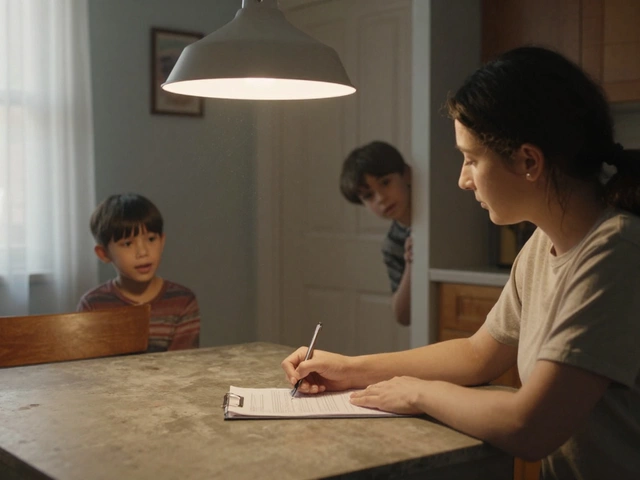
Don’t assume you know what teens or tweens find fun. Ask them. Seriously. Hand out a sticky note or run a quick poll: What would make you look forward to coming here after school? You’ll hear things like "more games," "time to just hang out," "someone who actually listens," or "we don’t want to be told what to do all the time." One school in Lower Hutt started doing this last year. They gave kids three options: art, sports, or just chill time with snacks and music. The "chill time" group grew the fastest-not because it was "lazy," but because it gave them space to be themselves. Kids aren’t looking for structured activities every minute. They’re looking for belonging.Let them lead
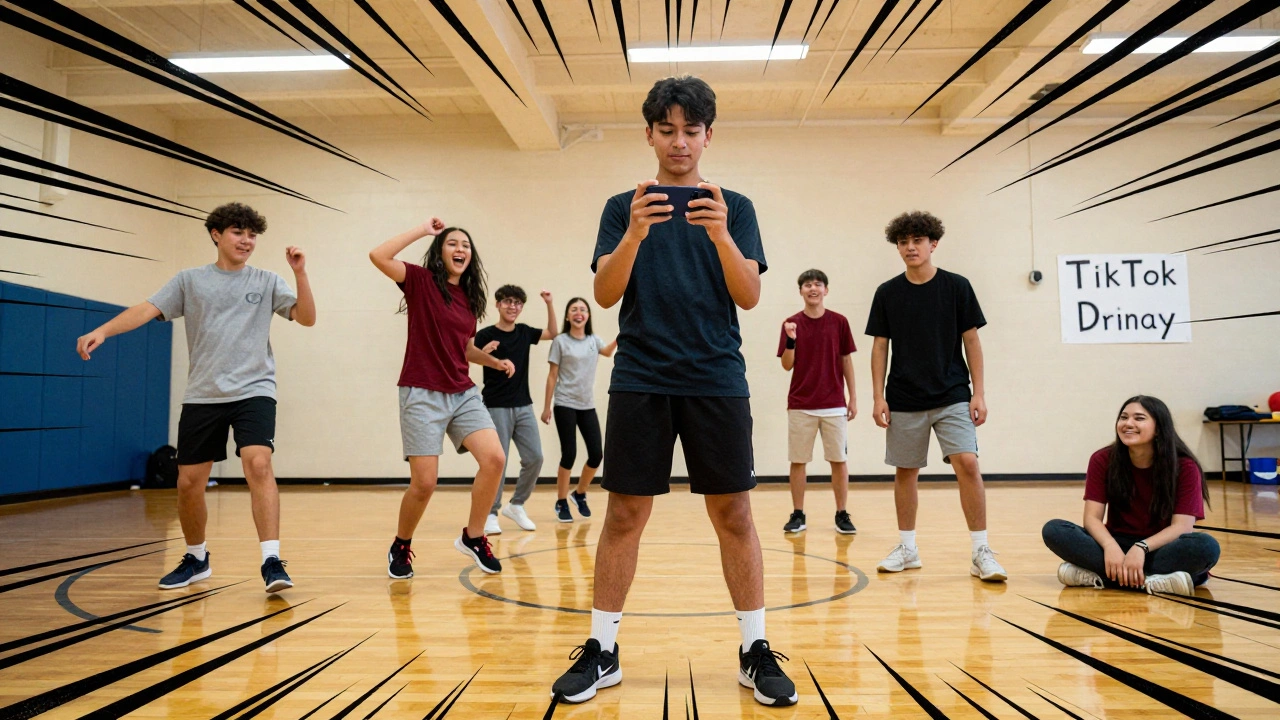
The biggest mistake clubs make? Treating kids like passive participants. When you hand over control-even small parts of it-they stop being attendees and start being owners. Try this: every month, pick one activity that a student designs and runs. It could be a 15-minute game they invented, a short video they made, or a playlist they curated. You don’t have to approve it perfectly. Just say: "You’ve got the floor. Make it happen." At a club in Wellington, a 13-year-old started a "TikTok Dance Friday" where everyone learned one move from a viral clip. It wasn’t polished. It was messy. And it became the most attended session of the week. Why? Because it was theirs.Build rituals, not just schedules
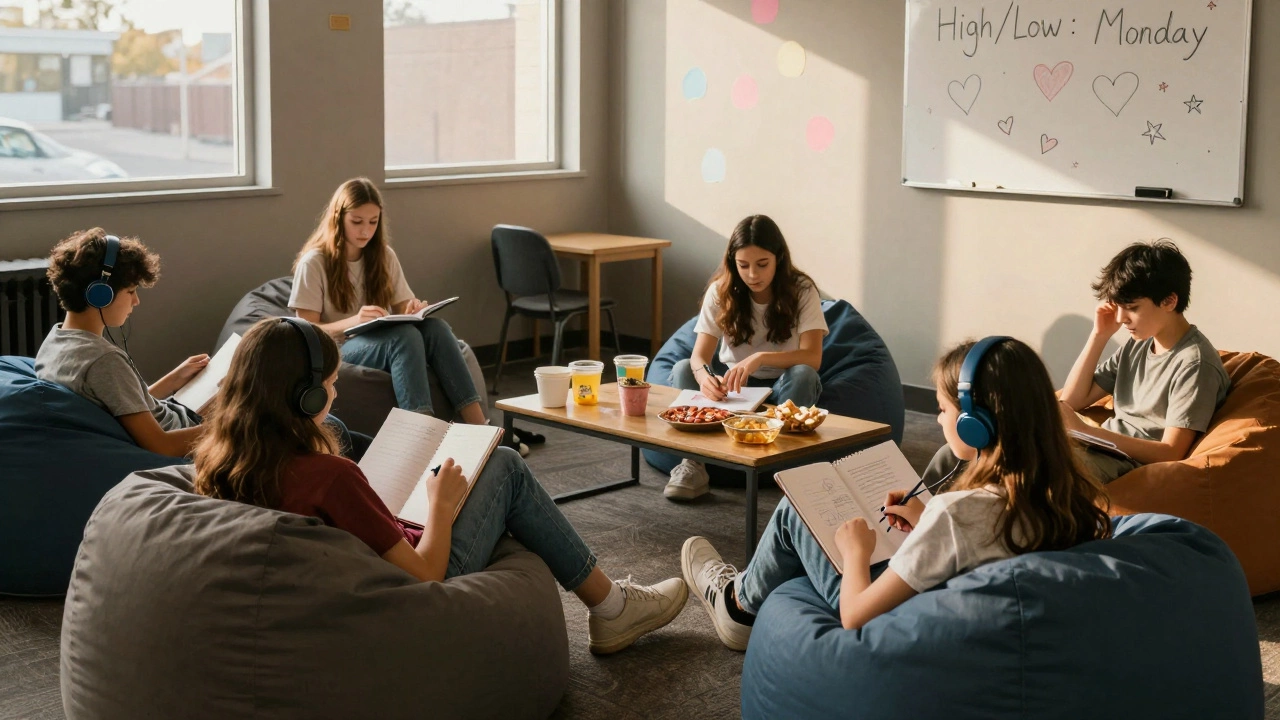
Fun isn’t just about what you do-it’s about what you do together, again and again. Rituals create rhythm. Rhythm creates comfort. Comfort creates connection. Simple rituals work best:- Every Monday: a "High/Low" circle where everyone shares one good thing and one tough thing from their week.
- Every Friday: a "Snack Swap"-bring one snack, leave with a different one.
- End every session with a fist bump or a silly handshake unique to your group.
Make space for chaos
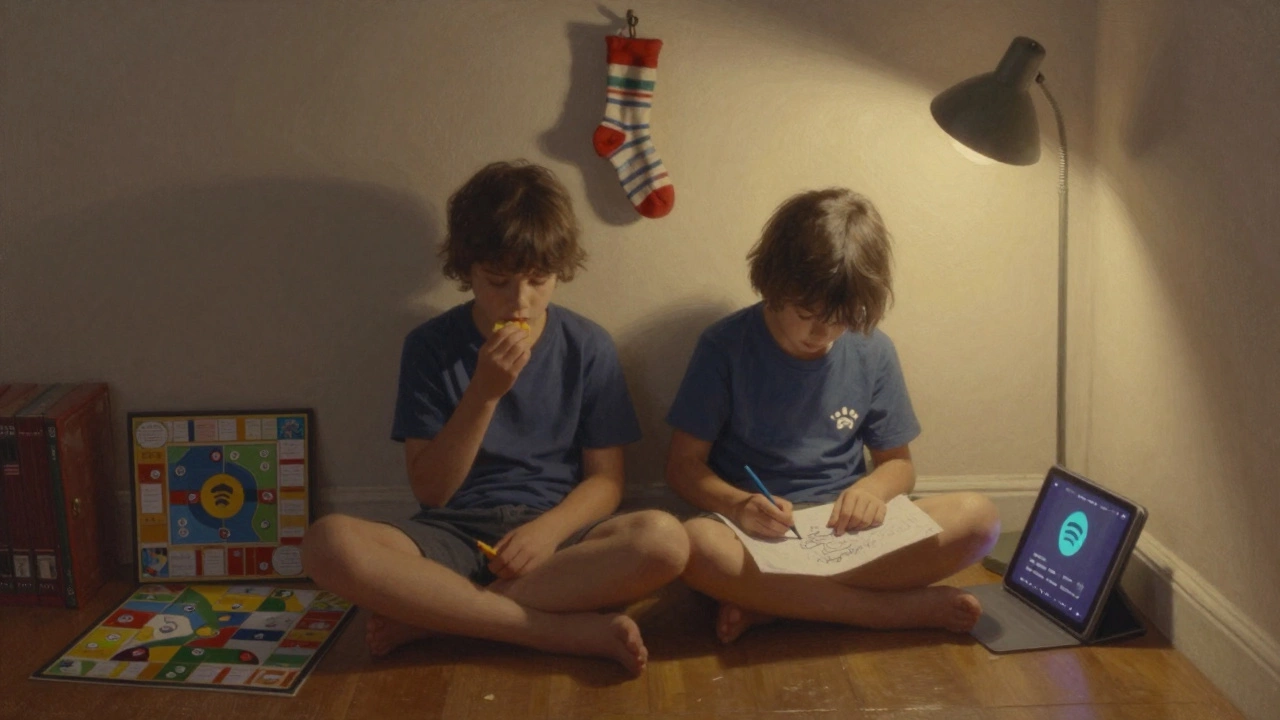
You don’t need to control every second. In fact, the more you try to manage the noise, the less fun it becomes. Let them play cards on the floor. Let them argue over music. Let them turn the lights off and tell ghost stories. Let them be loud. Let them be quiet. One club leader in Porirua stopped trying to keep order during the last 20 minutes of each session. Instead, she put out board games, coloring sheets, and headphones. Some kids played. Some drew. Some just sat and listened to music. No one got in trouble. Attendance went up. And the quiet kids? They started talking more. Fun doesn’t always look like organized activity. Sometimes, it looks like silence with a shared snack.Use low-cost, high-impact tools
You don’t need a budget to make things fun. Here’s what works, and what it costs:| Tool | Cost | Impact |
|---|---|---|
| Spotify playlist created by students | $0 | High-builds ownership and mood |
| Sticker rewards for participation | $5 for a pack | Medium-tangible, non-monetary recognition |
| Weekly "Mystery Guest" (local artist, athlete, teen volunteer) | $0 | High-creates excitement and connection |
| Outdoor scavenger hunt using school grounds | $0 | High-gets kids moving, thinking, laughing |
| "Two Truths and a Lie" game with staff | $0 | Medium-breaks down barriers between adults and kids |
Adults need to show up differently
The biggest shift? Stop being the boss. Start being the co-conspirator. If you’re always the one talking, correcting, organizing, or judging, kids will never feel safe enough to be silly. Fun dies under pressure. Try this: show up with your own weirdness. Tell a bad joke. Dance badly. Admit you don’t know how to play Roblox. Laugh at yourself. When adults stop trying to be perfect, kids stop trying to be quiet. One volunteer at a community center started showing up wearing mismatched socks every day. No explanation. Just socks. Kids noticed. One asked why. She said, "Because I like them." That was it. Within a week, half the kids were wearing mismatched socks too. No one told them to. They just wanted to join in.Track what matters-not attendance
Don’t measure success by how many kids show up. Measure it by how many show up early. If kids are waiting outside the door five minutes before the club starts, you’ve won. If they’re asking to stay 10 minutes past closing, you’ve built something real. Keep a simple log: note the day, the activity, and one thing that made someone smile. After a month, look back. You’ll see patterns. Maybe it’s the snack time. Maybe it’s the music. Maybe it’s when someone finally spoke up. Those moments are your compass. Follow them.It’s not about entertainment. It’s about connection.
The most fun clubs aren’t the ones with the most games. They’re the ones where kids feel seen. Where they know they won’t be judged for being quiet, weird, loud, or tired. Where they can be exactly who they are-and someone else says, "Me too." You don’t need a budget. You don’t need permission. You just need to stop trying to fix them-and start trying to understand them. Start small. Listen more. Let go of control. And watch what happens when kids realize this place is theirs.What if no one wants to join my club?
Start by asking why. Talk to the kids who aren’t coming. Maybe they think it’s "for little kids," or they’re embarrassed to join something with "club" in the name. Try renaming it-"The Hangout," "After School Unplugged," or "The Chill Zone." Make it feel like a place, not a program. Then, invite them to help design it. Ownership changes everything.
How do I keep older teens interested?
Older teens don’t want to be babysat. They want purpose and autonomy. Offer real choices: lead a project, run a podcast, organize a community event, or just have a space to talk about school stress. Give them a mic-literally or figuratively. Let them solve problems instead of just following rules. A 15-year-old who runs a weekly open mic night will stick around far longer than one who just plays basketball.
What if I don’t have enough staff or volunteers?
You don’t need more people-you need better energy. One consistent, relaxed adult who shows up, listens, and doesn’t micromanage is worth ten overworked ones. Ask local high school students to help. Many need volunteer hours and crave connection. Offer them a snack, a thank-you note, and the freedom to run their own small activity. You’re not hiring staff-you’re building a community.
How do I handle drama or conflict between kids?
Don’t rush to fix it. Let them work it out-with you as a calm guide, not a judge. Say: "I see this is hard. What do you both need right now?" Create a simple rule: no yelling, no name-calling, but feelings are allowed. Most conflicts fade when kids feel heard. If it’s serious, involve a counselor-but don’t make the club feel like a courtroom.
Is it okay to just let kids be bored sometimes?
Yes. Boredom is where creativity lives. If you’re always filling every minute with activity, kids never learn to entertain themselves. Leave gaps. Put out a box of random craft supplies. Let them stare at the ceiling. Let them sit in silence. You’ll be surprised what they create when they’re not being told what to do.