After-School Balance Planner
Follow the 'Rule of Two': Select one physical activity and one intellectual/creative activity to achieve the ideal balance of brain-body engagement.
🏃 Physical Activities
🎨 Intellectual & Creative
Balance Score
Key Takeaways
- Emotional growth happens faster in low-pressure, interest-led environments.
- Social skills like conflict resolution are learned through shared goals, not textbooks.
- Physical activities combat the sedentary nature of modern schooling.
- Balanced participation prevents burnout while boosting academic confidence.
The Hidden Psychology of After-School Engagement
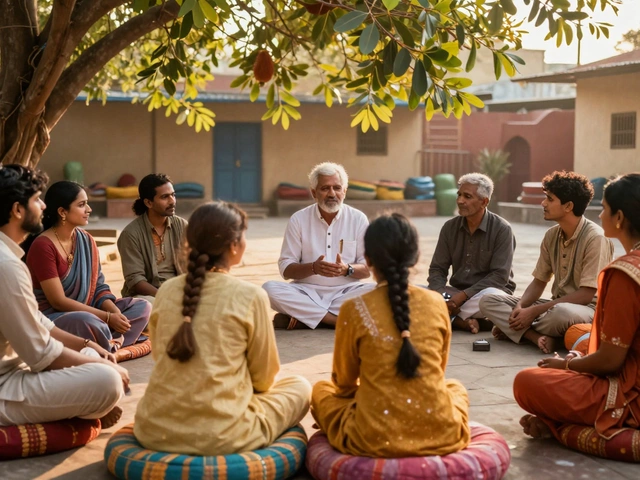
When the final bell rings, the brain shifts gears. In a classroom, students are often told what to learn and how to behave. In after school activities is structured programs and clubs that take place outside regular school hours to enhance a student's social, physical, or intellectual development. Also known as extracurricular activities, these programs shift the power dynamic. Suddenly, the student is the driver, not the passenger. This autonomy is crucial. When a child chooses a drama club or a chess league, they are practicing agency. They aren't doing it because it's on the syllabus; they're doing it because they're curious. This intrinsic motivation triggers a state of 'flow'-that feeling of being completely absorbed in a task-which is a primary driver of mental well-being. If a student spends six hours a day following instructions, having two hours of self-directed exploration can be the difference between feeling drained and feeling energized.Building a Social Toolkit Outside the Classroom
School hallways can be social minefields. The pressure to fit in is intense, and social hierarchies are often rigid. Youth Development is the process of enhancing the physical, emotional, cognitive, and social capabilities of young people. Through after-school clubs, kids meet peers they might never interact with in their specific grade or classroom. Think about a middle schooler who is an introvert in English class but joins a Debate Team. Here, the social interaction is structured around a shared goal rather than social status. They learn how to disagree without being disagreeable. They practice active listening and a specific type of confidence that doesn't rely on being 'popular.' This is where they build a social toolkit-learning how to handle a teammate who isn't pulling their weight or how to congratulate a rival after a loss. These are the 'soft skills' that employers actually care about ten years down the line, but they can't be taught in a 45-minute lecture.The Physical and Mental Health Connection
We can't ignore the physical reality of the modern school day: it's mostly spent sitting. Between desks and bus rides, kids are increasingly sedentary. Integrating Physical Activity-which includes everything from competitive sports to dance or even walking clubs-is a biological necessity. It's not just about fitness or avoiding obesity. Physical movement triggers the release of endorphins and dopamine, which naturally lower stress levels. For a student dealing with the pressures of exams or social anxiety, a high-energy activity serves as a mental reset button. When a child is focused on hitting a ball or mastering a dance move, the 'noise' of their daily worries goes quiet. This is a form of active mindfulness. Moreover, the impact on Mental Health is measurable. Programs that offer a safe, adult-supervised environment reduce the risks associated with unsupervised free time. Knowing there is a designated place to go and a group of people expecting them provides a sense of belonging, which is the strongest antidote to loneliness and depression in adolescence.| Activity Type | Primary Skill Developed | Psychological Impact | Typical Example |
|---|---|---|---|
| Competitive Sports | Resilience & Teamwork | High Dopamine/Stress Relief | Basketball, Soccer |
| Creative Arts | Self-Expression | Emotional Processing | Painting, Theater |
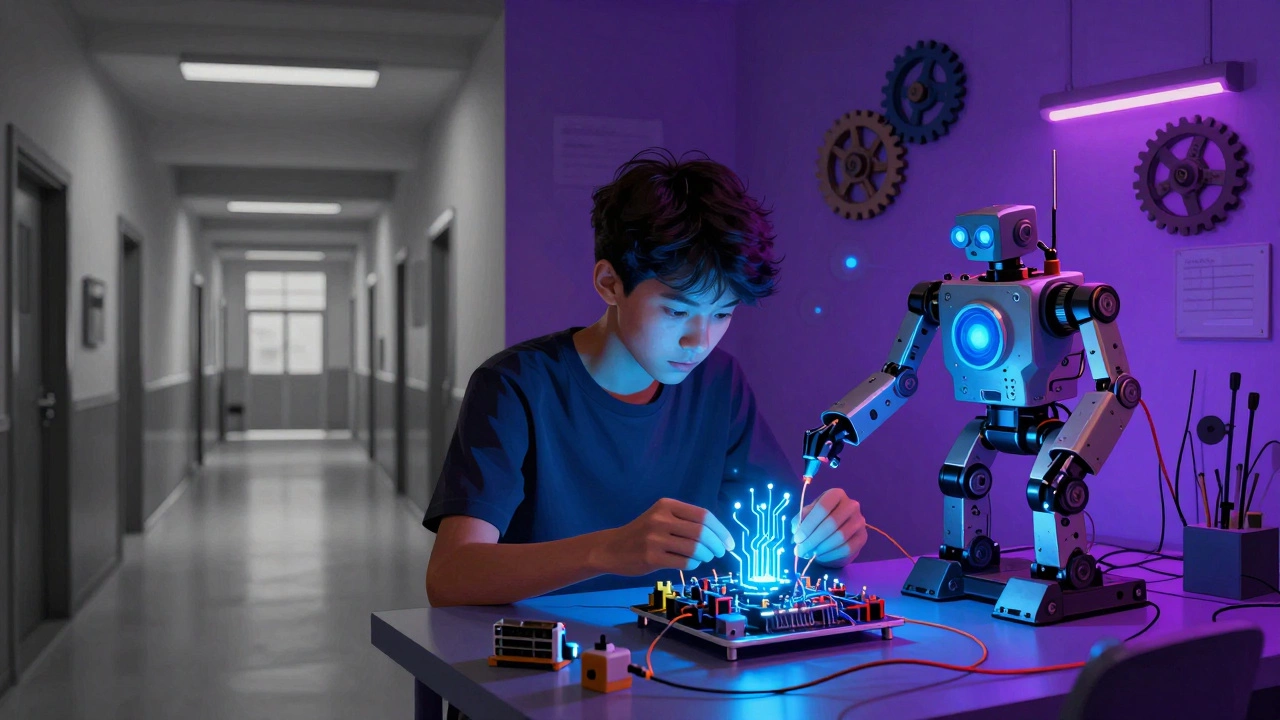
| STEM Clubs | Problem Solving | Cognitive Satisfaction | Robotics, Coding |
| Civic/Volunteer Groups | Empathy & Ethics | Sense of Purpose | Student Council, Scouting |
The Academic Paradox: Does More Activity Mean Lower Grades?
There is a common fear among parents that too many activities will distract from homework and lead to falling grades. However, the evidence often shows the opposite. This is the academic paradox: students who are engaged in structured after-school activities often perform better in school. Why? Because these activities teach time management. A student who has soccer practice at 4 PM and a music lesson at 6 PM has to learn how to utilize their gaps. They can't afford to procrastinate for three hours after school. They develop a rhythm of 'work hard, play hard' that helps them focus during study sessions. Additionally, the confidence gained in a club often spills over into the classroom. A student who successfully leads a project in a Robotics Club is more likely to raise their hand in a physics class. The activity provides a 'win' that proves to the student they are capable, which removes the fear of failure in academic settings. It turns the school from a place of judgment into a place of opportunity.Avoiding the 'Over-Scheduling' Trap
While these activities are beneficial, there is a tipping point where 'good' becomes 'too much.' We see this often in high-achieving districts where children are enrolled in four different clubs, three sports, and private tutoring. This leads to a phenomenon called burnout. When a child has no 'white space' in their calendar, they lose the ability to be bored. Boredom is actually the birthplace of creativity. If every minute of a child's life is curated by an adult, they never learn how to entertain themselves or listen to their own internal interests. To keep activities healthy, follow the 'Rule of Two': one physical activity and one intellectual or creative activity. This ensures a balance of brain-body engagement without turning the child into a miniature corporate executive. The goal is enrichment, not an impressive resume for a college application that happens ten years in the future.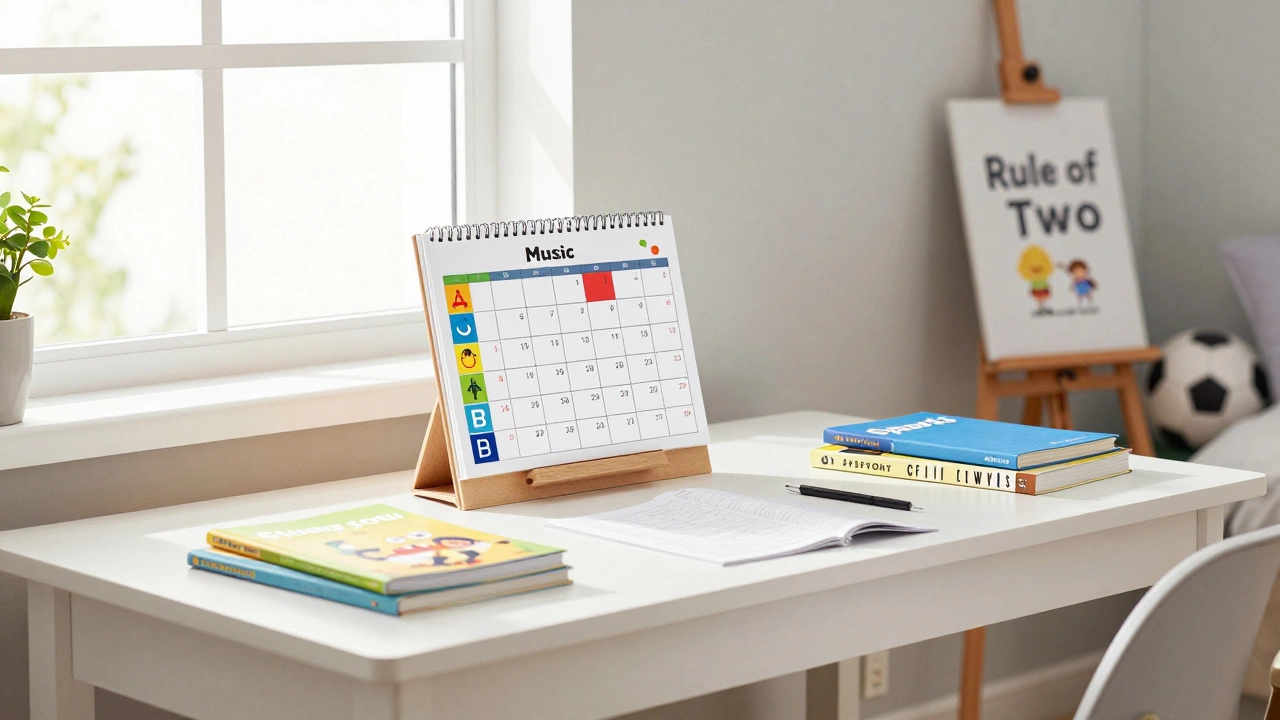
Choosing the Right Fit: A Guide for Parents
Not all clubs are created equal. The 'good' in after-school activities depends entirely on the fit. If a child is forced into a sport they hate just because their parents played it, the activity becomes a source of stress rather than a source of growth. Look for programs that emphasize growth over perfection. A club that focuses on 'winning at all costs' can actually damage a child's self-esteem if they aren't the star player. Instead, look for environments that reward effort, experimentation, and persistence. Ask the child what they are curious about, even if it seems niche. A club for collecting vintage stamps or learning an obscure language can provide the same sense of identity and belonging as a varsity team.How do I know if my child is over-scheduled?
Watch for signs of irritability, sleep disturbances, or a sudden loss of interest in activities they used to love. If your child seems exhausted by Wednesday or expresses a desire to 'just do nothing,' it's a sign that their cognitive load is too high. A healthy schedule should still leave room for free play and downtime.
What if my child doesn't like any of the available clubs?
Encourage them to start their own. The act of organizing a group-whether it's a gaming club, a book circle, or a neighborhood sports team-is a massive learning experience. It teaches leadership, negotiation, and organization. If they can't find a fit, they might be the person meant to create one.
Are paid activities better than free school clubs?
Not necessarily. The value comes from the engagement and the community, not the price tag. A free school-run choir can be just as impactful as a high-end private music academy. The most important factor is the quality of the mentorship and the child's genuine interest in the subject.
Do after-school activities actually help with college admissions?
Yes, but not in the way most people think. Admissions officers aren't looking for a long list of memberships; they are looking for 'depth of commitment.' One activity that a student stuck with for four years and grew into a leadership role in is worth far more than five clubs they joined for a month just to pad their application.
How do I balance activities with homework?
Help them create a visual calendar. When they can see that 'Soccer' takes up 4-6 PM, they can plan their 'Deep Work' hours (like math or essay writing) for earlier in the day or immediately after. The key is consistency; once the routine is set, the brain stops fighting the schedule and starts following it.