Youth Organization Finder
What's your primary focus?
Select the area that excites you most right now.
Your Ideal Fit:
Recommended Activities:
💡 Pro Tip:
Quick Guide to Youth Organization Types
- Skill-Based: Focus on coding, arts, music, or sports.
- Civic & Leadership: Focus on government, debate, and community service.
- Supportive & Therapeutic: Focus on mental health, recovery, and crisis intervention.
- Environmental & Social: Focus on climate change, human rights, and activism.
- Recreational: Focus on outdoor survival, camping, and physical fitness.
Leadership and Civic Engagement Groups
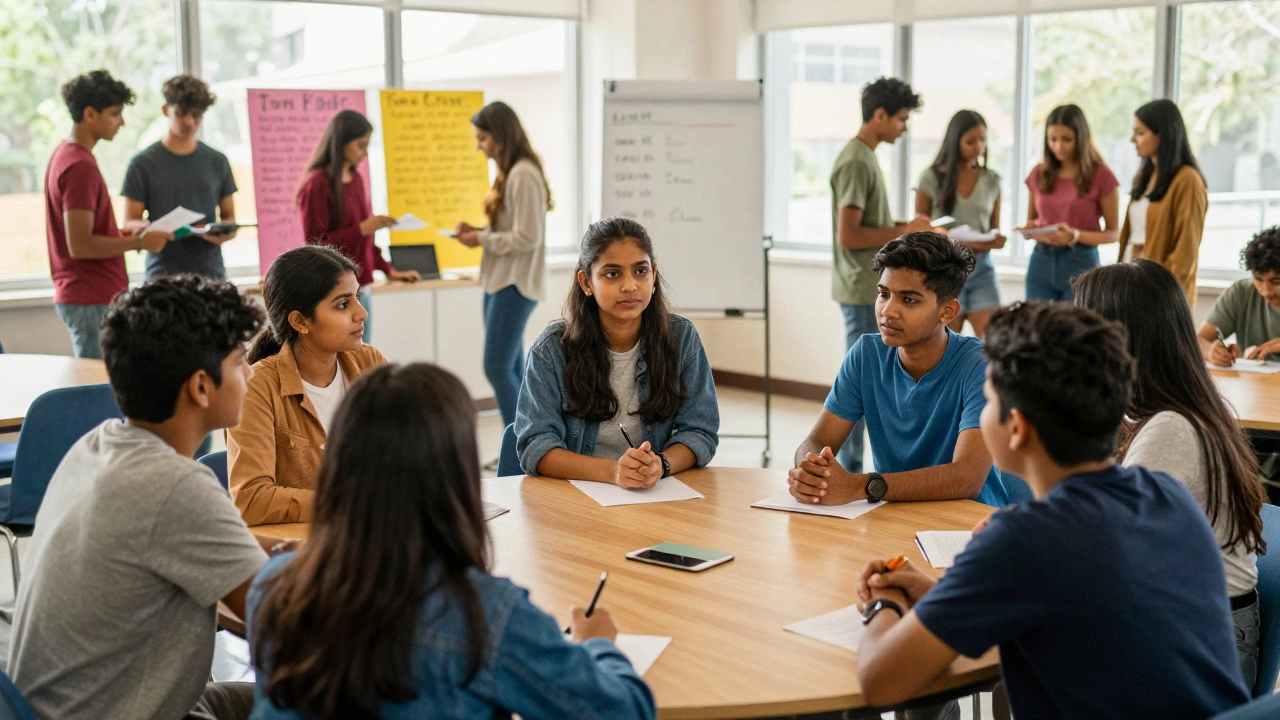
Some kids aren't interested in sports; they want to run the world. That's where leadership organizations come in. These groups teach young people how to negotiate, speak in public, and organize large-scale events. It's not just about adding a line to a resume; it's about learning how power works and how to use it for good.
Take 4-H is a global network of youth organizations enabling a learning experience that strengthens hearts and minds. While it started as an agricultural program, it has evolved into a massive STEM and leadership engine. Kids in 4-H don't just raise livestock; they run board meetings and manage budgets for community projects. Similarly, the Boy Scouts of America (now Scouts BSA) and Girl Scouts focus on character development and citizenship through a series of merit badges. These badges act as a curriculum for life, teaching everything from first aid to financial literacy.
For those interested in the political side of things, Model United Nations (MUN) is a fantastic example. It's a simulation of the UN where students represent different countries to solve global crises. This teaches them the art of diplomacy and a deep understanding of international law, often forcing them to argue for a position they personally disagree with-a key skill in any professional environment.
Creative and Academic Hubs
For a lot of teens, the school library is the only place they feel at home. Academic youth organizations turn that shared interest into a social activity. These groups move beyond textbooks and into real-world application.
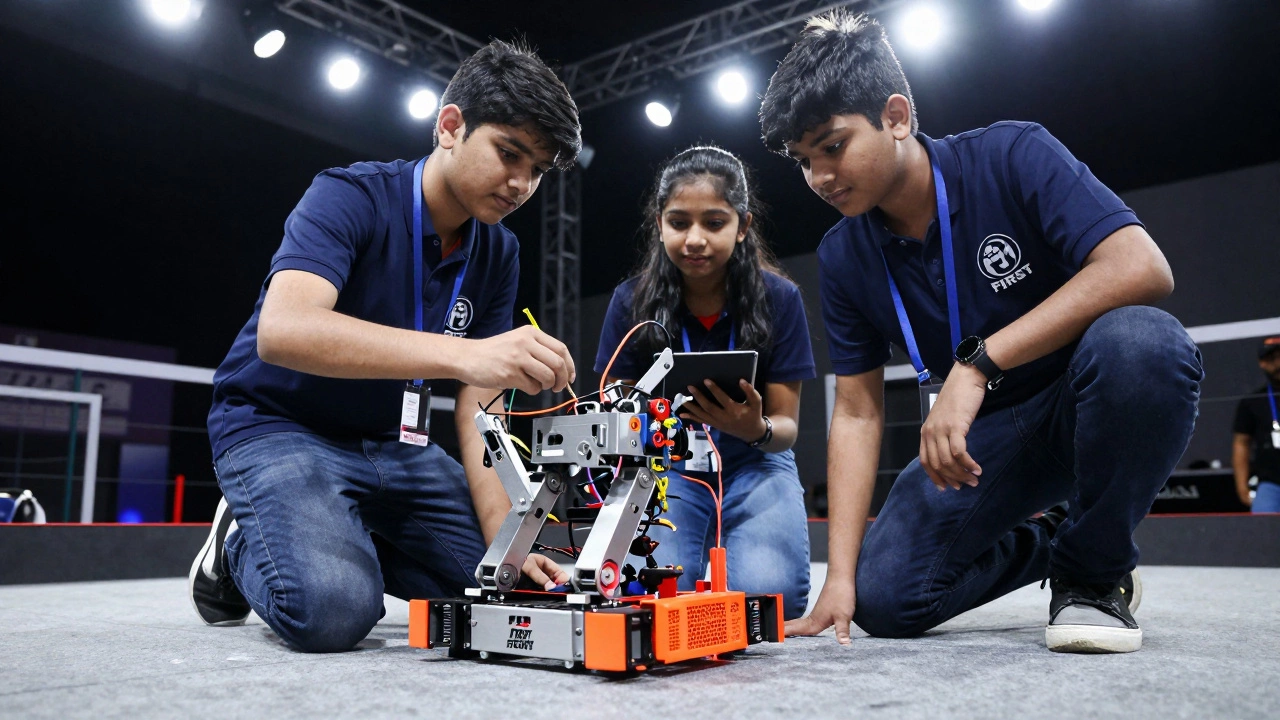
Consider FIRST Robotics. This isn't just a club where you build a robot; it's a high-pressure competition that mirrors a real engineering firm. Students have to deal with deadlines, technical failures, and teamwork under stress. It's an incredible bridge between a high school physics class and a career in mechanical engineering.
On the creative side, youth orchestras or theater troupes provide a different kind of structure. These organizations emphasize discipline and a shared goal. When a group of 60 teenagers has to synchronize a symphony, they are learning a level of cooperation that is hard to find in a standard classroom. These environments often provide a critical emotional outlet for kids who struggle to express themselves through words.
Environmental and Social Justice Movements
Gen Z and Gen Alpha are deeply concerned about the planet. This has led to a surge in youth-led environmental organizations. These aren't just clubs; they are often grassroots movements that challenge existing laws and corporate behaviors.
A primary example is Fridays for Future, a global movement that started with a single student striking from school. It evolved into a decentralized network of youth organizations fighting for climate action. These groups use social media as their primary organizational tool, showing a shift in how youth organizations operate in the digital age.
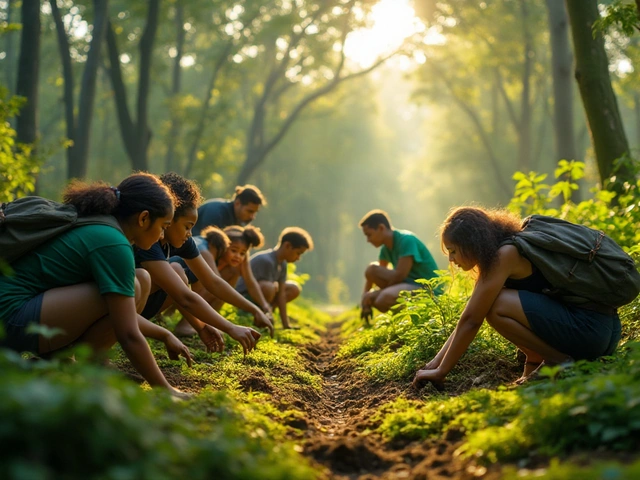
Then there are the local community gardens or urban farming collectives. These organizations combine environmentalism with social service. By growing food in food deserts, young people see a direct impact on their neighbors' lives. It transforms the abstract concept of "sustainability" into something tangible, like a basket of fresh tomatoes for a family down the street.
| Organization Type | Primary Goal | Key Skill Developed | Typical Activity |
|---|---|---|---|
| Civic/Leadership | Community Impact | Public Speaking | Organizing Town Halls |
| STEM/Academic | Technical Mastery | Problem Solving | Building Prototypes |
| Environmental | Planetary Health | Advocacy | Protesting/Tree Planting |
| Recreational | Physical Wellness | Resilience | Wilderness Hiking |
Support Systems and Mental Health Groups
Not every youth organization is about achieving a goal or winning a trophy. Some are simply about survival and support. For youth facing homelessness, addiction, or severe mental health struggles, these organizations are lifelines.
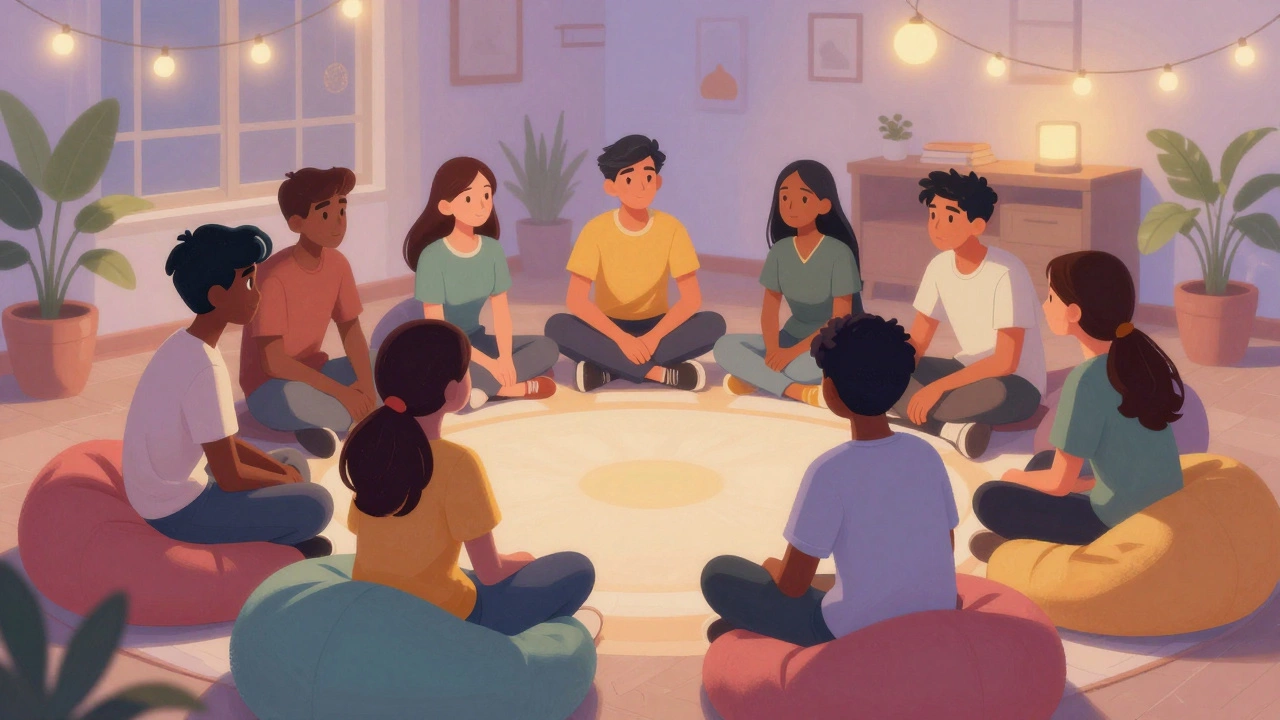
Peer-to-peer support groups are a powerful example. When a teen struggling with anxiety enters a room where five other people are experiencing the same thing, the isolation vanishes. These groups are often facilitated by a professional but driven by the shared experience of the members. This is a different form of youth organizations where the "success" isn't a trophy, but a stabilized mood or a safe place to sleep.
Crisis centers and drop-in hubs also play a massive role. These organizations provide immediate resources-like a hot meal or a shower-but they also offer a doorway to long-term services like counseling and job training. They act as the first point of contact for youth who have fallen through the cracks of the traditional school and home systems.
How to Choose the Right Organization
With so many options, how do you actually pick one? It's easy to choose based on what looks good for college applications, but that's a recipe for burnout. The goal should be alignment between the youth's current interests and the organization's culture.
Start by asking a few simple questions: Does this group encourage the member to take a leadership role, or is it strictly top-down? Is the environment competitive or collaborative? For example, if a teen loves building things but hates competition, a high-stakes robotics team might be stressful, whereas a community makerspace would be a paradise.
It's also worth looking at the mentorship structure. The best youth organizations don't just provide activities; they provide adults who actually care. Look for groups where the adults act as guides rather than bosses. When a mentor asks, "What do you think we should do next?" instead of "Do this," the youth is far more likely to develop genuine confidence.

Common Pitfalls to Avoid
Not all youth groups are created equal. Some can actually be counterproductive. One red flag is a "leadership" group that never actually lets the youth lead. If the adults are making every single decision and the kids are just there to execute a plan, it's a project, not a youth organization.
Another issue is over-scheduling. When a teen is in four different organizations, they aren't developing leadership; they are developing a high tolerance for stress. The most impactful experiences usually happen when a young person commits deeply to one or two things rather than skimming the surface of ten.
Lastly, watch out for groups that focus exclusively on a narrow definition of success. If an organization only rewards the top 5% of performers and ignores the growth of the others, it can damage a young person's self-esteem. The best groups celebrate the "small wins," like a shy student finally speaking up during a meeting for the first time.
What is the difference between a youth club and a youth organization?
A youth club is often more informal and focused on social interaction and recreation, like a gaming club or a local hangout. A youth organization typically has a more defined mission, a formal structure (like a board or a national charter), and a specific set of goals or a curriculum designed for development, such as the Girl Scouts or 4-H.
Are youth organizations always non-profits?
Most are, but not all. While the majority of community-based youth groups are non-profits or government-funded, there are for-profit organizations like private coding bootcamps for teens or elite sports academies. The primary difference is the objective: non-profits focus on social impact, while for-profits focus on a service-for-fee model.
How can I find youth organizations in my local area?
The best starting point is usually the local public library or school guidance counselor, as they often have lists of vetted local programs. You can also check community centers, city hall notice boards, or social media groups dedicated to your specific town or neighborhood.
Do youth organizations help with college or job applications?
Yes, significantly. They provide concrete examples of leadership, teamwork, and specialized skills that look great on a resume. More importantly, they often provide networking opportunities and letters of recommendation from mentors who have seen the youth's growth over several years.
Can a youth organization be started by teenagers themselves?
Absolutely. Many of the most impactful organizations, such as various climate action groups, started as a few friends with a shared goal. While they may eventually seek adult mentorship for legal or financial reasons, the initial spark and direction often come entirely from the youth.
Next Steps for Getting Involved
If you're a parent or a young person looking to join a group, don't just sign up for the most popular one. Spend a week researching three different types of organizations-one for a hobby, one for a cause, and one for a skill. Most groups offer a "trial" meeting or an open house. Use those to feel out the vibe.
For those who can't find a group that fits, consider starting a small interest group with a few peers. You don't need a legal charter to start a book club or a neighborhood cleanup crew. Often, the act of creating the organization is the most valuable leadership lesson a young person can ever learn.