Kids Club Revenue & Staffing Estimator
Revenue Projection
Staffing Requirements
Financial Outlook
Monthly Membership Revenue: $0
Other Revenue (Drop-ins + Parties): $0
Total Est. Monthly Revenue: $0
Staffing Need
Children Count: 0
Required Adult Staff: 0
Starting a kids club isn't just about having a room full of toys and some crayons. It's about creating a safe, stimulating environment where children actually want to spend their time after the school bell rings. If you've ever looked at a neighborhood and thought, "There's nowhere for kids to go except home to a tablet," you've found your market gap. But before you buy a single beanbag chair, you need a plan that covers the legal headaches, the safety protocols, and the actual fun.
Quick Takeaways for Aspiring Owners
- Legal First: Zoning and child safety permits are non-negotiable and usually take the longest to secure.
- Niche Down: General "childcare" is crowded; specialized clubs (STEM, Arts, Sports) often charge higher premiums.
- Staffing: Hire for personality and patience over a perfect resume; kids can smell a rigid adult from a mile away.
- Revenue: Diversify income with monthly memberships, drop-in fees, and seasonal workshops.
Defining Your Concept and Niche
You can't be everything to every child. If you try to offer a chess club, a soccer league, and a pottery studio all at once, you'll burn through your budget and your energy. The most successful clubs start with a clear identity. Are you building an after-school program a structured childcare service that provides educational and recreational activities after formal school hours focused on academic tutoring, or a creative hub for the arts?
Think about the "pain point" parents in your area have. In a high-pressure academic district, a "decompress and play" club is a goldmine. In a neighborhood with limited arts funding, a music-centric club will fill up overnight. Decide on your age range too. A club for 5-7 year olds requires drastically different equipment and supervision ratios than one for 11-13 year olds. For instance, a 6-year-old needs a nap nook and sensory bins, while a 12-year-old wants a gaming lounge and a place to discuss social trends.
Sorting Out the Legal and Safety Essentials
This is the un-fun part, but skipping it is the fastest way to get shut down. You are dealing with the most precious cargo on earth, so your paperwork needs to be bulletproof. First, check your local zoning laws. You can't always run a commercial club out of a residential garage without a special permit. You'll likely need a business license and specific childcare certifications depending on your city's regulations.
Insurance is your next big hurdle. You need comprehensive general liability insurance and specifically Professional Liability Insurance insurance that protects childcare providers against claims of negligence or mistakes in the care of children. If a child trips over a LEGO brick and breaks an arm, you don't want your personal savings paying for the ER visit. Ensure your policy covers "abuse and molestation," which is a standard but critical requirement for any youth-facing organization.
Then there is the staffing. Every single person entering your building needs a Background Check a review of a person's criminal record and history to ensure they are safe to work with children. Don't just take their word for it; use a certified third-party service. Create a strict "Two-Adult Rule" where no child is ever alone with a single adult in a private space. This protects the children and protects your staff from false accusations.
Finding and Designing the Perfect Space
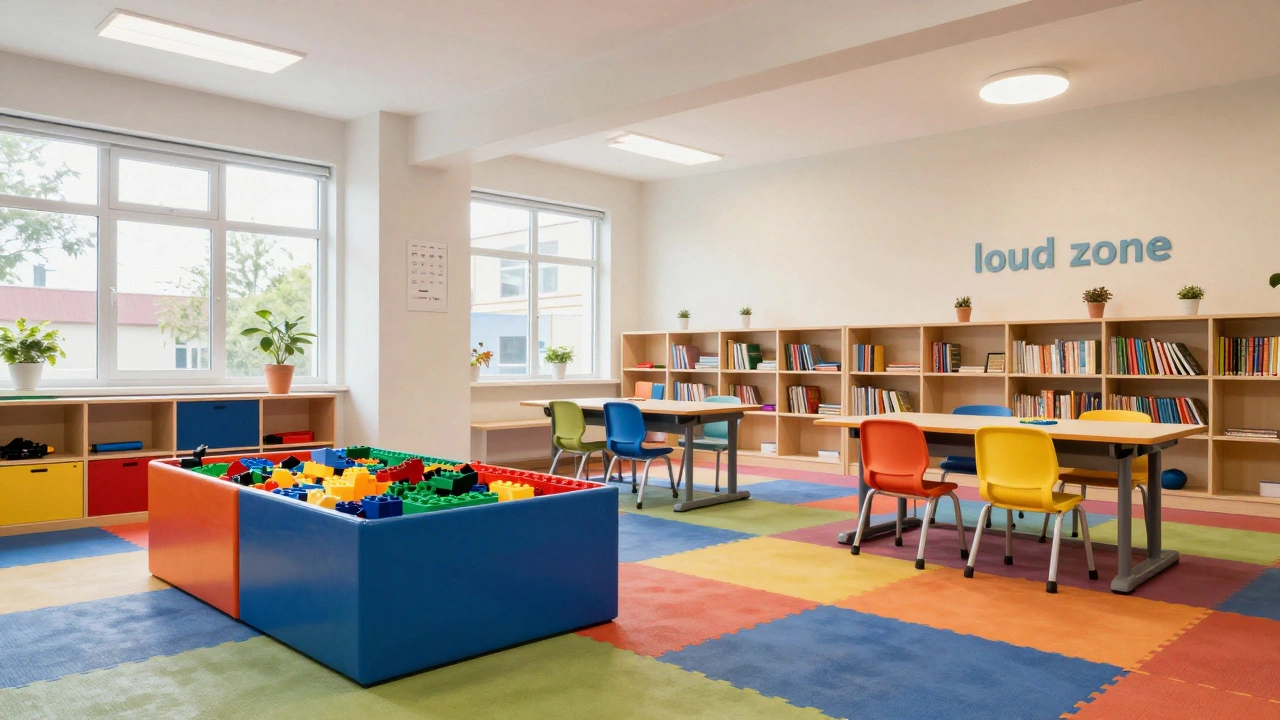
Your location should be as close to the local schools as possible. Parents love convenience. If you can offer a shuttle service or are within walking distance, you've already won half the battle. When looking at properties, prioritize a layout that allows for "zoning." You need a loud zone for active play, a quiet zone for reading or homework, and a designated "messy zone" for crafts.
| Zone Type | Key Features | Safety Requirement |
|---|---|---|
| Active Play | Rubber flooring, open space, storage bins | Corner protectors, clear sightlines |
| Study Area | Desks, bright lighting, bookshelves | Ergonomic seating, cable management |
| Creative Hub | Washable tables, sinks, drying racks | Non-toxic materials, fire extinguishers |
Don't forget the "invisible" logistics: bathrooms. You'll need child-friendly toilets or stools, and a strict cleaning schedule. A single outbreak of a stomach bug can wipe out your attendance for a week. Invest in a high-quality air filtration system and a dedicated first-aid station that is accessible to staff but out of reach for curious toddlers.

Creating a Program That Kids Actually Love
The biggest mistake new owners make is treating a kids club like a second school. Kids have spent six hours sitting in a desk; the last thing they want is more worksheets. To keep them coming back, you need a mix of Experiential Learning a process of learning through experience, and more specifically, "learning by doing" and free play. Give them a sense of ownership. Let them vote on the "Activity of the Week" or help them design the club's logo.
Structure your day with a flow. Start with a "Wind Down" period-snacks and a chance to talk about their school day. Move into a "Focus Activity" (like a science experiment or a dance routine), and end with "Free Choice" time. If you provide a variety of options, from LEGO builds to digital art, you reduce behavioral issues because kids aren't bored. Boredom is where the mischief happens.
Consider partnering with local experts. Why hire a full-time art teacher when you can bring in a local pottery artist once a week for a workshop? This keeps the content fresh and allows you to market "guest masterclasses," which can be a great way to attract new members who aren't ready for a full monthly commitment.
Pricing and Making the Business Sustainable
Pricing your services is a balancing act. You need to cover your rent, insurance, and staff wages while staying affordable for parents. Most clubs use a tiered membership model. A monthly subscription is your bread and butter-it provides predictable cash flow. Then, offer "Drop-in Day Passes" for parents who only need care on Fridays or during school holidays.
Don't ignore the "extra" revenue streams. Host weekend birthday parties using your facility. A themed "Science Party" or "Superhero Training Day" can bring in a significant amount of profit in a single Saturday. You can also sell basic supplies-think healthy snacks, branded club t-shirts, or a small set of art supplies for kids who forget theirs. Just ensure your pricing is transparent; nobody likes a surprise "materials fee" on their monthly invoice.

Marketing Your Club to Local Parents
You don't need a massive advertising budget; you need to be where the parents are. The most effective marketing is word-of-mouth. Offer a "Founding Member" discount for the first ten families who sign up, and give them a referral bonus (like a free week) for every new family they bring in. Parents trust other parents far more than they trust a Facebook ad.
Get physical. Put flyers in the local library, the pediatrician's office, and the community center. But the real goldmine is the school gate. While you can't always advertise inside a school, being visible during pickup and drop-off is key. Host an "Open House" day where kids can come in, try out a few activities, and the parents can see the safety measures for themselves. When a child tells their parent, "I love that place," the sale is practically made.
Do I need a teaching degree to open a kids club?
No, you don't necessarily need a formal degree in education to own a club, but you do need to comply with local childcare licensing laws. Depending on your region, you may need a specific certification in childcare or a designated "Director" on staff who has the required credentials. However, having a background in education certainly helps with program development and gaining parent trust.
What is the ideal staff-to-child ratio?
This varies by age and local law, but a general rule of thumb is 1 adult for every 8-10 children for school-aged kids (6-12). For younger children (under 6), you'll want a tighter ratio, such as 1 adult for every 4-6 children. Always check your state or city guidelines, as failing to meet these ratios can lead to heavy fines or loss of your license.
How do I handle behavioral issues and discipline?
Establish a clear "Code of Conduct" that both the child and parent sign upon registration. Use positive reinforcement-reward the behaviors you want to see rather than just punishing the ones you don't. If a child is consistently disruptive, have a structured three-step process: a verbal warning, a short "cool-down" period, and a parent meeting. Consistency is the only way to maintain order in a high-energy environment.
Can I start a kids club from my home?
Yes, this is often called a "home-based daycare" or "micro-club." It's a great way to test your concept with lower overhead. However, you must still check your homeowner's insurance and local zoning laws. Many cities have strict rules about how many children can be on-site at once in a residential area and may require specific safety exits or fenced-in outdoor spaces.
What are the most profitable types of kids clubs?
Specialized clubs generally have higher profit margins. STEM-focused clubs (coding, robotics), sports academies, and high-end art studios can charge premium rates because they offer a specific skill. While general childcare is a steady market, "enrichment" programs are seen as an investment in the child's future, making parents more willing to pay a higher monthly fee.
Next Steps and Troubleshooting
If you're feeling overwhelmed, start with a "Pilot Program." Instead of renting a full building, rent a room at a local community center for two afternoons a week for a month. This allows you to test your activities and see if there's real demand without risking a long-term lease.
If you find that enrollment is slow, look at your timing. Are you closing too early? Many parents work until 5:30 or 6:00 PM; if you close at 5:00, you're missing a huge chunk of the market. If you're struggling with staff turnover, remember that working with kids is exhausting. Offer "mental health days" or a bonus structure based on student retention to keep your team happy and motivated.