Provisioning Services: What They Are and How They Help Communities
When we talk about provisioning services, the direct delivery of essential resources like food, shelter, water, and healthcare to people in need. Also known as basic social services, these are the quiet backbones of any healthy community—often invisible until they’re missing. They’re not flashy campaigns or big fundraising galas. They’re the food banks open at 7 a.m., the housing vouchers that keep families off the streets, the mobile clinics that show up in neighborhoods without doctors, and the free meal programs that feed kids after school.
Provisioning services rely on community organizations, local groups that deliver direct aid without waiting for government approval. These groups work with public resources, funding and infrastructure from state, federal, or nonprofit sources. And they’re not just about handing out supplies—they’re about building trust. A food bank in New Zealand doesn’t just give out rice and beans; it connects people to job training. A shelter in Arkansas doesn’t just offer a bed—it helps someone fill out housing applications. That’s provisioning in action: meeting immediate needs while opening doors to longer-term stability.
These services don’t exist in a vacuum. They’re tied to social welfare, the system of support designed to protect people from poverty, illness, and homelessness. When someone asks why a charity gala matters, the answer isn’t just the money raised—it’s how that money buys groceries for a single mom, pays for a bus pass so a senior can get to dialysis, or funds a counselor who helps a teen with depression. Provisioning services turn donations into daily survival.
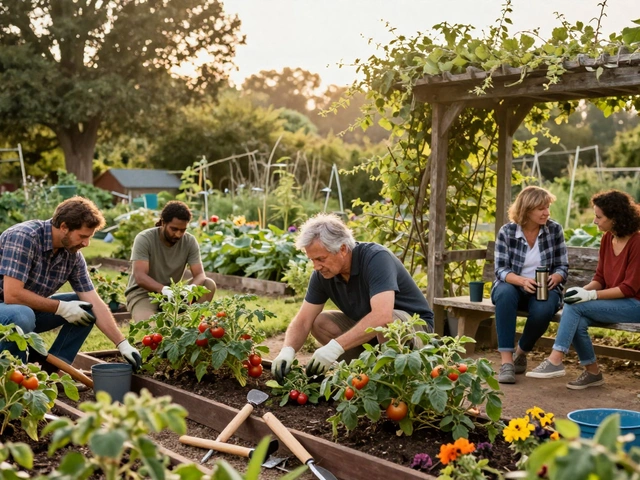
And here’s the thing: you don’t need to be rich or powerful to make provisioning services work. It’s volunteers showing up to sort canned goods. It’s a school club collecting socks for the homeless. It’s a neighbor sharing extra groceries. The posts below show you exactly how these services operate in real life—from the hidden costs of fundraising events to the charities that feed the most people, from food banks in New Zealand to housing grants in Arkansas. You’ll see who’s doing the work, what’s actually working, and how you can step in—even if you only have an hour a week.

The 4 Core Categories of Environmental Services Explained
Explore the four main categories of environmental services, their benefits, examples, and why they matter for people and the planet.
DetailRelated Posts