Friendship Time Calculator
How Long Does Friendship Take?
Research shows it takes about 50 hours to go from acquaintance to friend, and 200+ hours to become close. Enter how many hours per week you can commit to find out how long it will take to build meaningful connections.
Let’s be honest-making friends as an adult feels harder than it should. You’re not lazy. You’re not weird. You just don’t have the same built-in social engine that school or college gave you. No more cafeterias, no more group projects, no more dorm parties. So where do you actually meet people who might stick around?
The Real Answer Isn’t a Place-It’s a Pattern
There’s no magic city, app, or event that works for everyone. But there is a pattern. The best places to make friends aren’t the ones with the biggest signs or the most likes on Instagram. They’re the ones where you show up regularly, do something real, and let connection happen naturally.Think about it: you don’t become friends with someone because they smiled at you in a bar. You become friends because you both showed up for the same book club every Tuesday for six months, and one day you realized you were talking about more than just the plot-you were talking about your divorce, your dad’s illness, your fear of failing at your new job.
That’s the secret. Consistency beats charisma every time.
Community Groups: The Quiet Powerhouse
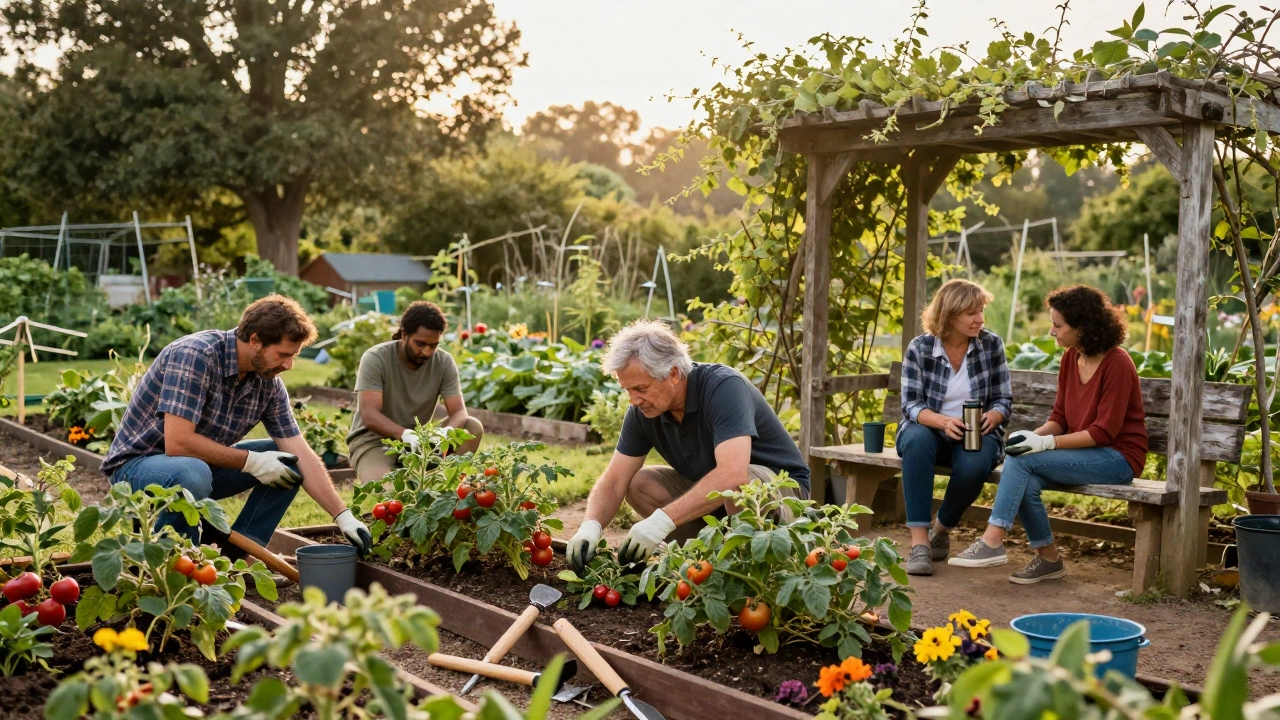
In Wellington, you’ll find dozens of community groups that don’t advertise on TikTok but are packed with people looking for exactly what you want: real connection. These aren’t networking events. They’re not meetups with strict agendas. They’re people showing up because they care about the same thing-gardening, hiking, knitting, board games, or even just cleaning up local beaches.Take the Wellington Community Garden on the south coast. It’s not fancy. No entry fee. No sign-up form. You just show up on Saturday morning with gloves and a willingness to dig. Some people come for the tomatoes. Others come because they’re lonely. And over time, the tomatoes and the loneliness start to blend. You learn who brings the best homemade jam. Who always forgets their trowel. Who talks about their kid’s soccer games like it’s the most important thing in the world.
That’s friendship. Not forced. Not performative. Just there.
Volunteering: Friendship With Purpose
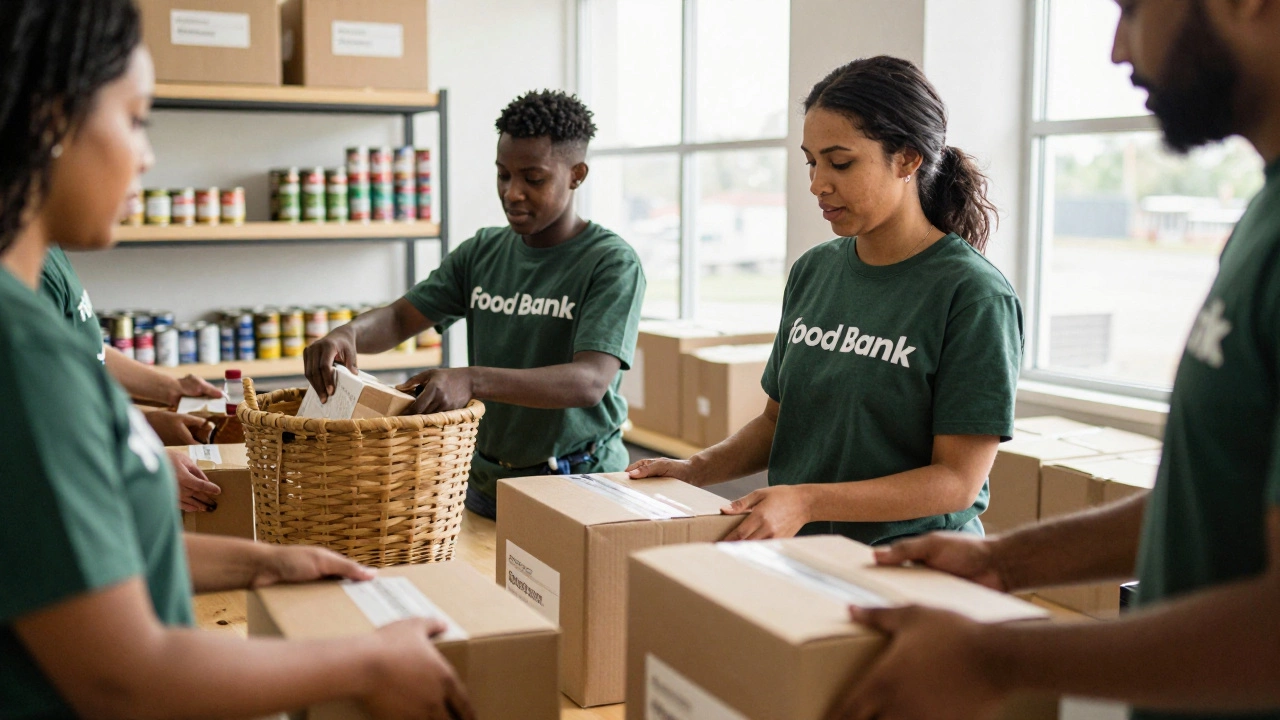
Volunteering is one of the most underrated ways to make friends. Why? Because you’re not trying to impress anyone. You’re not selling yourself. You’re working side-by-side with people who already care about the same thing you do.At the Wellington Food Bank, volunteers sort donations, pack hampers, and deliver groceries to elderly neighbors. You don’t need to be outgoing. You just need to show up. And when you’re crouched on the floor folding cardboard boxes for three hours, something happens. People start sharing stories. One woman talks about how she lost her husband last year. Another mentions she’s learning to drive. Someone else says they’re trying to quit caffeine. No one rushes. No one checks their phone. Time slows down.
Studies from the University of Oxford show that people who volunteer regularly report higher levels of social satisfaction than those who don’t. It’s not because volunteering is ‘good for you.’ It’s because you’re doing something meaningful with people who aren’t just there to network.
Classes and Workshops: Skill-Based Bonds
Learning something new is a powerful icebreaker. It gives you a shared goal-and a reason to keep showing up.Try a pottery class at the Wellington Community Centre. Or a basic Spanish course at the local library. Or even a first-aid workshop run by St John Ambulance. You’re not there to be the best. You’re there to learn. And that takes the pressure off.
One woman I know started a pottery class alone after her kids moved out. Six months later, she was hosting monthly glaze parties at her house. Her friends? All from that class. Not because they clicked instantly. But because they kept showing up-even when their mugs cracked in the kiln.
Walking Groups: Movement and Conversation
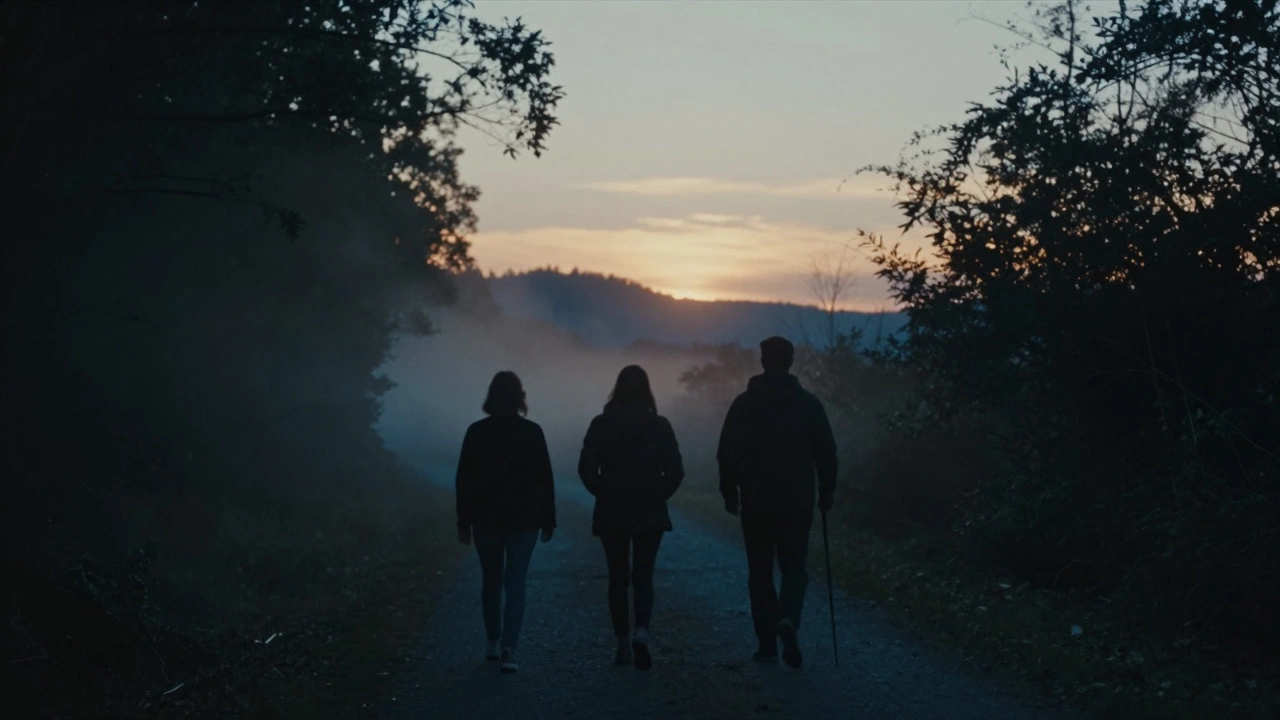
Walking is underrated. It’s free. It’s low-pressure. And it forces you to be present.Wellington has dozens of walking groups. The Mount Victoria Walkers meet every Wednesday at 5:30 p.m. They don’t speed-walk. They don’t track steps. They just walk. And talk. Some groups cover 2 kilometers. Others hike up to the summit and sit in silence watching the sunset. You don’t have to say anything. You don’t have to be funny. You just have to be there.
One guy joined because he was recovering from depression. He didn’t speak for three weeks. Then one day, he said, “I miss my dog.” Someone else replied, “Mine died last year too.” That was it. No big speech. No advice. Just that one sentence. And now they walk together every week.
Why Apps and Bars Don’t Work (Most of the Time)
You’ve tried Bumble BFF. You’ve gone to open mic nights. You’ve swiped through meetup.com. And you’re still alone.Here’s why: apps and bars are transactional. You’re evaluating people. Are they interesting? Do they have a good job? Do they like my Instagram? That’s not friendship. That’s dating with a different label.
Bars are loud. Apps are exhausting. Both demand performance. Real friendship doesn’t care if you’re funny. It just wants you to show up.
What to Do Next
Stop searching for the “best” place. Start looking for the right place.- Find one group that aligns with something you already care about-gardening, animals, books, hiking, cooking.
- Go once. Don’t expect magic.
- Go again. And again.
- After three visits, say hello to one person. Just say, “Hey, I’m new here.” That’s it.
- Keep showing up.
That’s it. No grand plan. No checklist. Just presence.
It’s Not About Quantity-It’s About Depth
You don’t need 50 friends. You need two or three people who know your story. Who remember your dog’s name. Who text you when it’s raining and ask if you’ve eaten. Who show up with soup when you’re sick.Those people aren’t found in ads. They’re found in the quiet corners of community life-where people show up not to be seen, but to be part of something.
Start small. Show up. Stay.
Can I make friends online?
Online groups can help you find local meetups, but real friendship usually starts offline. Discord servers and Facebook groups are great for organizing walks, book clubs, or game nights-but the connection happens when you’re in the same room, sharing a coffee, or laughing over a ruined pot of soup. Use apps to find the place, not to replace it.
What if I’m shy or introverted?
You don’t need to be the life of the party. Many people in community groups are quiet too. Show up, do your thing, and say hello when you’re ready. A simple “Hi, I’m [name]” works. You don’t have to explain yourself. Most people are just glad you came. The conversation will come when it’s ready.
How long does it take to make a real friend?
Research from the University of Kansas found it takes about 50 hours of time together to go from acquaintance to friend, and over 200 hours to become close. That sounds like a lot-but it’s not if you show up weekly. One hour a week for five months gets you to 20 hours. Keep going. It adds up.
What if no one talks to me?
It happens. Sometimes people are quiet, distracted, or just having a rough day. Don’t take it personally. Try a different group. Or wait. Sometimes the person who doesn’t speak for weeks is the one who will become your closest friend. Keep showing up. The right people will notice.
Are there groups for people over 40 or 50?
Absolutely. Many community groups are made up of people in their 40s, 50s, and beyond. Retirement, empty nests, and life changes bring a lot of people together. Look for groups through your local library, community center, or church hall. You’re not too late. You’re exactly where you need to be.
Final Thought: You’re Not Alone in Being Alone
Everyone feels this way sometimes. Even the people who seem to have it all figured out. The truth is, friendship isn’t about finding the right place. It’s about becoming the kind of person who shows up-and stays.Start with one group. One meeting. One hello. The rest will follow.