Fundraiser Effort & Impact Calculator
Compare the efficiency of traditional vs. digital fundraising methods based on your team size and goals.
- Est. Setup Time:
- Permits Required: Yes (Street Trading)
- Weather Risk: High
- Donor Friction: Medium (Cash/Location)
- Est. Setup Time:
- Permits Required: No
- Weather Risk: None
- Donor Friction: Very Low (One-Click)
Projected Outcomes
*Calculations based on average conversion rates and donation sizes cited in fundraising literature. Traditional events often see higher per-person spend but lower total reach due to logistical barriers.
You need to raise money. Maybe it’s for a school trip, a local shelter, or a community garden. But you also have zero time and even less energy to spend planning complex logistics. You don’t want to bake three hundred cupcakes or organize a marathon that requires permits and insurance. So, what is the easiest fundraiser you can actually pull off without losing your mind?
The short answer is: digital-first campaigns combined with low-friction physical activities. The days of stuffing envelopes at a kitchen table are over. Today, the easiest way to raise funds is to remove barriers between the donor and the cause. If it takes more than two clicks to donate, you’ve already lost half your audience.
The Digital First Approach: Why It Wins
If you look at successful small-scale fundraising in 2026, the common thread isn’t creativity; it’s convenience. Platforms like GoFundMe, a crowdfunding platform that allows individuals to raise money for personal causes, medical expenses, or charitable projects or GiveLively, a nonprofit fundraising software that simplifies donation collection and peer-to-peer campaigns have changed the game. They handle the payment processing, the tax receipts, and the landing pages.
Your job is just to tell the story. Write a clear post. Explain why the money matters. Share the link on social media. That’s it. No inventory management. No cash handling. No late-night counting sessions under flickering fluorescent lights.
But if you need something more tangible-something that feels like an "event" without the headache-here are the most effective low-effort strategies.
Top 5 Low-Effort Fundraising Ideas
Not every group wants to rely solely on online donations. Sometimes you need engagement. Here are five methods that balance impact with minimal administrative burden.
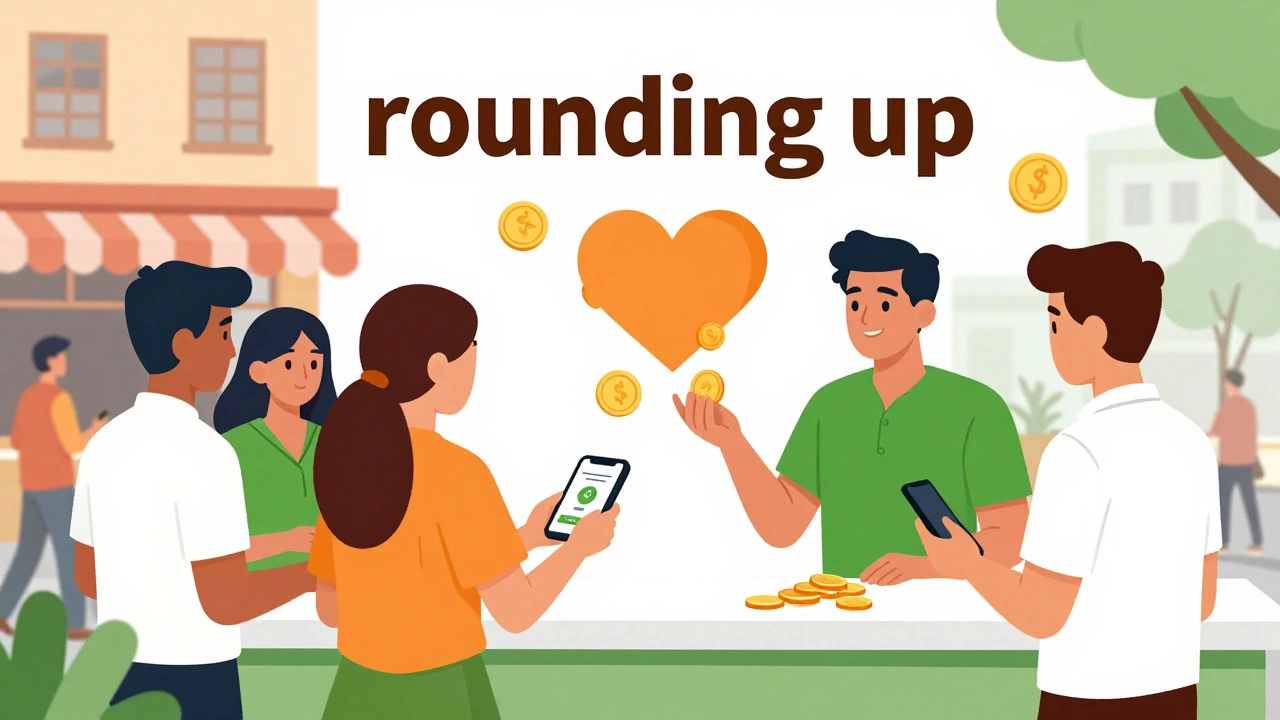
- The Round-Up Campaign: Ask your network to round up their next coffee purchase or grocery bill. It sounds small, but if fifty people round up $1 each, that’s $50 instantly. Partner with a local cafe that agrees to donate the rounded amount. Many businesses in Wellington and beyond love this because it costs them nothing extra-it’s just change they would otherwise leave in the till.
- Social Media Challenges: Create a simple challenge. For example, "Post a photo of your pet wearing a hat, and ask friends to donate $5." Use a dedicated hashtag. The viral nature of social media does the marketing for you. You just moderate the page and thank participants.
- Virtual Talent Show: Instead of hosting a live event, ask people to submit one-minute videos of their talents. Compile them into a single YouTube video or Instagram reel. Ask viewers to donate to see the full compilation. No venue rental. No sound system issues. Just pure content.
- Corporate Matching: This is often overlooked. Check if any donors work for companies that match charitable contributions. If you raise $1,000 from employees at a tech firm that matches 1:1, you suddenly have $2,000. The effort is the same; the return doubles.
- Digital Auctions: Collect donated experiences (like a dinner cooked by a friend) or goods. List them on a simple online auction site. Let people bid during their lunch breaks. You ship the item or arrange pickup. No crowded room needed.
Why Traditional Methods Fail (And What to Avoid)
We’ve all seen them. The car wash that rains out. The bake sale where nobody buys the third-tier cookies. These traditional methods fail not because people don’t care, but because they require too much coordination.
| Feature | Traditional Bake Sale | Digital Round-Up Campaign |
|---|---|---|
| Setup Time | High (baking, decorating, finding location) | Low (write post, share link) |
| Permits Needed | Often yes (street trading license) | No |
| Weather Dependency | High | None |
| Donor Friction | Medium (must carry cash/change) | Very Low (one-click payment) |
| Scalability | Low (limited by foot traffic) | High (global reach) |
Notice the difference in friction. When you force a donor to drive to a specific location at a specific time, you’re asking for a favor. When you send them a link they can click while waiting for the bus, you’re offering an opportunity. Always choose the path of least resistance.
The Power of Storytelling Over Spectacle
People don’t donate to organizations; they donate to stories. A fancy gala doesn’t move hearts the way a personal email does. If you’re running an easy fundraiser, your primary tool is narrative.
Instead of saying, "We need money for supplies," say, "Meet Sarah. She needs new boots so she can walk to school without pain." Specificity triggers empathy. Vague requests trigger indifference. Keep your messaging tight. Use photos. Be transparent about how much you need and how close you are to the goal.
In New Zealand, where community ties are strong, leveraging local identity works well. Mentioning local landmarks or shared values resonates deeply. If you’re raising funds for a Wellington-based environmental group, highlight the local beaches or parks you’re protecting. Make it real. Make it immediate.
Leveraging Existing Networks
You don’t need to find new donors. You need to activate existing ones. Look at your current supporters. Have they donated before? Are they engaged on social media? These people already trust you. Asking them again is easier than convincing a stranger.
Create a "donor appreciation" list. Send personalized thank-you notes. Then, gently ask if they know anyone else who might care. Word-of-mouth is still the most powerful marketing tool available. A recommendation from a friend carries more weight than any advertisement.
Consider creating a team-based approach. Split your network into small groups. Assign each person to reach out to ten contacts. Personal messages get higher response rates than mass emails. It takes slightly more time upfront, but the conversion rate is significantly better.
Tools That Do the Heavy Lifting
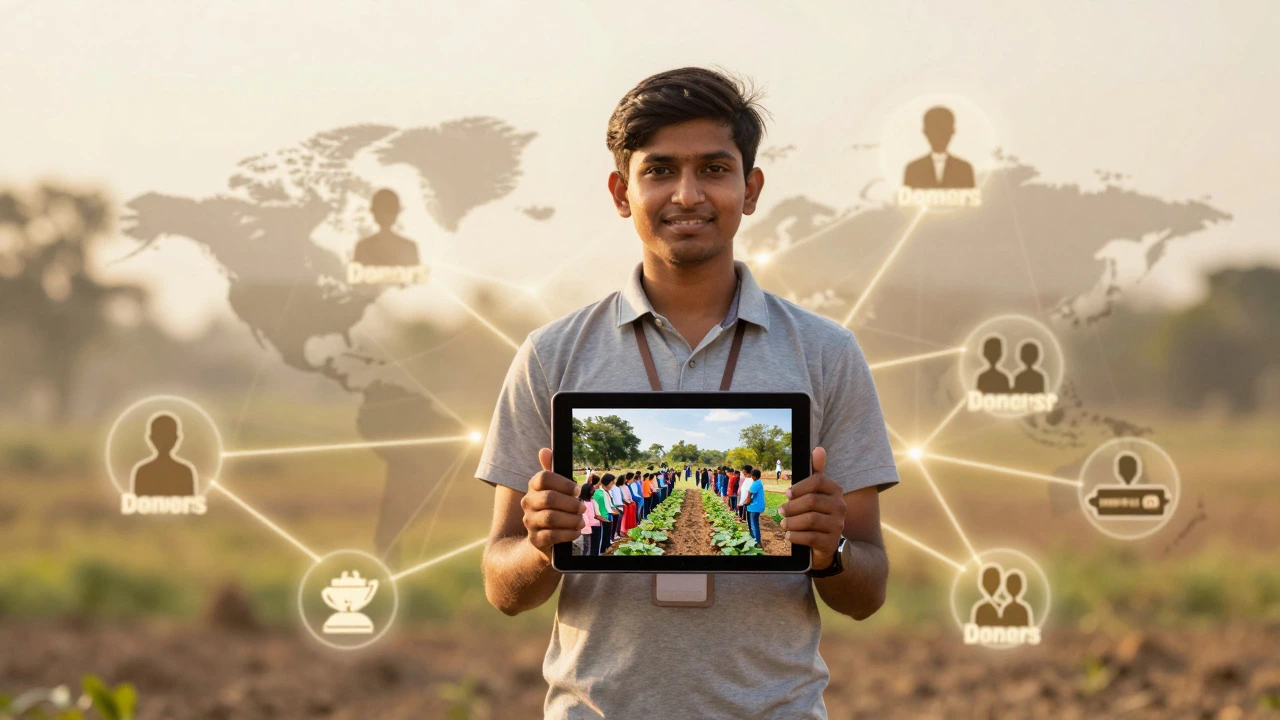
Technology has made fundraising accessible to everyone. You don’t need a developer to build a donation page. Use tools designed for simplicity.
- Payment Processors: Services like Stripe or PayPal allow you to create simple donation links. Ensure you understand the transaction fees, which typically range from 2% to 3% plus a fixed fee. Factor this into your goal.
- Social Media Scheduling: Tools like Buffer or Hootsuite let you schedule posts in advance. Consistency matters. Post regularly, but don’t spam. Aim for quality over quantity.
- Email Marketing: Platforms like Mailchimp offer free tiers for small lists. Segment your audience. Send updates on progress. People love seeing their contribution make a difference.
Automate what you can. Set up auto-replies for donations. Schedule social media posts. Use templates for thank-you emails. Your energy should go toward connecting with people, not managing spreadsheets.
Avoiding Common Pitfalls
Even the easiest fundraisers can go wrong if you ignore basic principles. Here’s what to watch out for.
Unclear Goals: Don’t say "raise as much as possible." Say "raise $1,000 by August 15." Specific targets create urgency and clarity. Donors want to know exactly what their money will achieve.
Poor Follow-Through: If you promise to update donors on the outcome, do it. Send a final report. Show photos of the impact. This builds trust for future campaigns. Transparency is currency in the nonprofit world.
Ignoring Mobile Users: Most people will donate via their phones. Ensure your donation page is mobile-friendly. Large buttons. Simple forms. Fast loading times. If it’s hard to use on a phone, you’ll lose donations.
Next Steps for Your Campaign
Start small. Pick one method from the list above. Test it. See what works. Adjust based on feedback. Fundraising is iterative. You’ll learn more from one failed campaign than from reading ten books on the subject.
Focus on relationships, not transactions. Treat every donor as a partner. Thank them sincerely. Involve them in the journey. When people feel connected to the cause, they become advocates. They’ll share your message. They’ll bring in new supporters. That’s how sustainable growth happens.
Remember, the easiest fundraiser isn’t necessarily the one that raises the most money immediately. It’s the one that keeps you sane while building long-term support. Choose wisely. Act quickly. And keep the focus on the impact, not the process.
What is the absolute easiest fundraiser for a school group?
The easiest fundraiser for a school group is a digital "round-up" campaign or a sponsored social media challenge. These require no physical setup, no permits, and minimal supervision. Students can promote the campaign through their own networks, reducing the burden on teachers and parents.
How much does it cost to run an online fundraiser?
Most online fundraising platforms charge a transaction fee of around 2.9% plus a fixed fee (e.g., $0.30) per donation. Some platforms allow donors to cover these fees. There are usually no upfront costs for basic accounts, making it a low-risk option for small groups.
Do I need a permit for a street-side fundraiser in New Zealand?
Yes, if you are collecting money in public spaces like streets, parks, or shopping centers, you likely need a street trading license or permission from the local council. This varies by region. However, digital fundraisers or those held on private property generally do not require permits, saving time and hassle.
How can I make my fundraiser stand out?
Focus on storytelling. Share personal anecdotes, photos, and videos that show the direct impact of donations. Use unique visuals and clear calls to action. Engage with donors personally. Authenticity and transparency resonate more than flashy promotions.
Is it better to raise small amounts from many people or large amounts from few?
For ease and sustainability, raising small amounts from many people is often better. It broadens your supporter base, creates a sense of community ownership, and reduces dependency on a few major donors. Digital platforms make micro-donations effortless, encouraging wider participation.
Can I combine multiple fundraising methods?
Yes, combining methods can be effective. For example, start with an online campaign to build momentum, then host a low-effort virtual event to engage supporters further. Just ensure the methods complement each other and don’t overwhelm your team with too many tasks simultaneously.
How do I track the success of my fundraiser?
Use analytics provided by your fundraising platform. Track metrics like total donations, number of donors, average donation size, and traffic sources. Monitor social media engagement and email open rates. This data helps you understand what works and improve future campaigns.
What should I do if my fundraiser isn't getting traction?
Reassess your messaging and channels. Is your story compelling? Are you reaching the right audience? Try boosting visibility through social media ads or partnering with influencers. Engage directly with potential donors to understand their concerns. Persistence and adaptation are key.