Fun Run Fundraiser Planner
Plan your next community fun run. Enter your expected participation numbers and revenue streams to see how much money you can raise for your cause.
Participation & Fees
Sponsorships & Costs
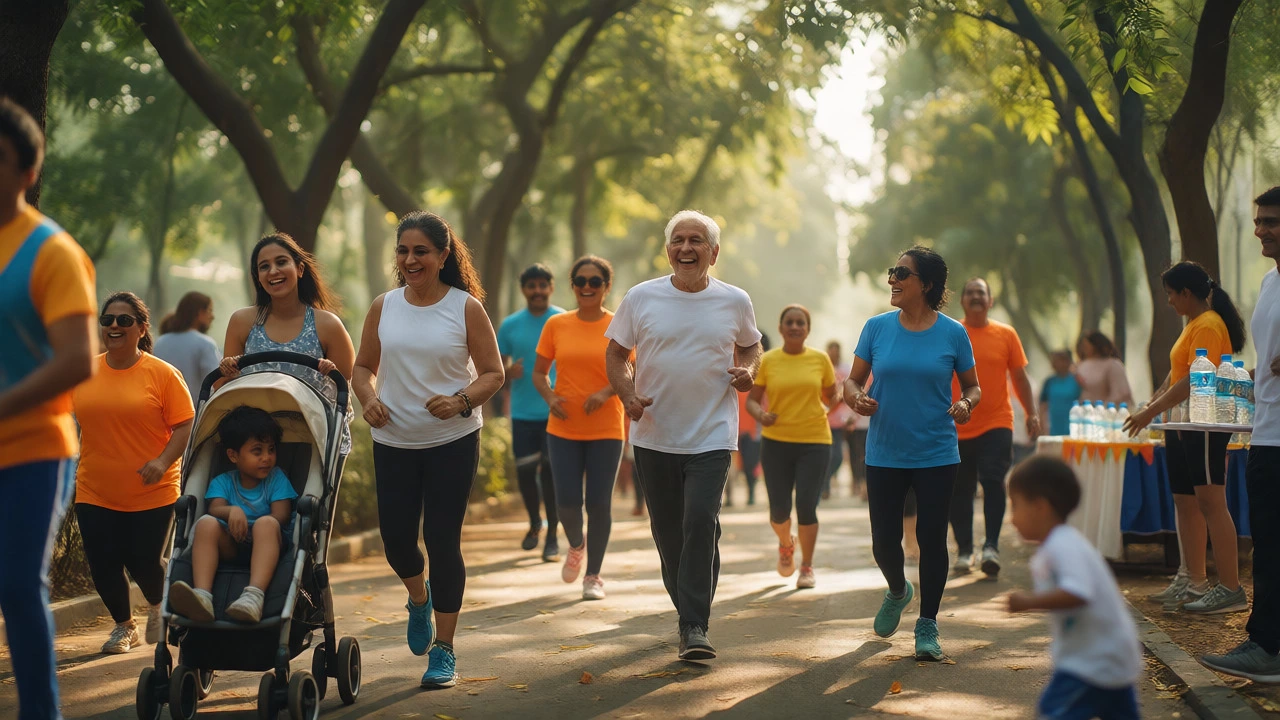
Ever seen a crowd of people in silly costumes jogging slowly through a park, laughing instead of gasping for air? That’s not a marathon. It’s likely a fun run a low-pressure, recreational running event organized primarily to raise money for a cause rather than to test athletic limits. If you’re wondering what makes these events different from standard races or how they actually help charities, you’re in the right place.
The core idea is simple: participation matters more than performance. Unlike competitive sports where seconds count, a fun run focuses on engagement, community spirit, and donation collection. Whether you are a nonprofit organizer looking for your next big campaign or a participant curious about where your registration fee goes, understanding the mechanics of this event type can change how you view community fundraising.
Defining the Fun Run vs. Traditional Races
To grasp what a fun run fundraiser is, you first need to distinguish it from its serious cousins: marathons, half-marathons, and 5Ks. While those events prioritize speed, timing chips, and podium finishes, a fun run prioritizes accessibility and joy. The distance is usually shorter-often between 1km and 5km-making it accessible to children, seniors, and people who haven’t exercised in years.
Think of it as a party that happens to involve moving your legs. You might see participants dressed as superheroes, animals, or historical figures. There’s often music along the route, water stations stocked with treats, and no pressure to beat a personal best. The primary metric of success isn’t how fast you finish, but how much money you raise and how many smiles you generate along the way.
This distinction is crucial for organizers. If you market a fun run like a competitive race, you’ll scare off potential donors who aren’t runners. If you market it correctly-as a family-friendly day out-you attract a broader demographic, which directly correlates to higher donation totals.
How the Money Actually Gets Raised
You might assume all the money comes from entry fees. In reality, entry fees are just one slice of the pie. Most successful fun runs use a hybrid model that combines direct costs with indirect revenue streams. Here’s how the cash flow typically works:
- Registration Fees: Participants pay a set amount to enter. This covers basic logistics like t-shirts, medals, and venue permits. Often, there are tiered prices (e.g., early bird discounts) to encourage early commitment.
- Pledges and Sponsorships: This is the heavy lifter. Participants ask friends, family, or local businesses to sponsor them per kilometer or for a flat donation. A runner might raise $500 through pledges while only paying a $30 entry fee.
- Corporate Partnerships: Local businesses often buy booths at the start line or sponsor specific zones (like the "Hydration Station" or "Kids Zone"). These sponsorships can cover the entire cost of the event, meaning every dollar raised by participants goes straight to the charity.
- Merchandise and Add-ons: Selling branded hoodies, custom water bottles, or photo packages adds extra margin without requiring more runners.
For example, a small community trust in Wellington might host a 3km beach fun run. They charge $25 for entry, which barely covers the medal and shirt. But if each of the 500 participants raises an average of $100 in pledges, the event generates $50,000 for their youth programs. The entry fee is almost secondary; the social connection is the product being sold.
Why Charities Choose Fun Runs Over Other Events
Nonprofits have endless options for raising funds: galas, auctions, grant applications, and online campaigns. So why do so many organizations keep coming back to the fun run format? It comes down to three factors: visibility, retention, and inclusivity.
First, visibility. A gala room holds maybe 300 people. A city-wide fun run puts hundreds of bodies in public spaces, wearing branded gear, visible to thousands of spectators. This free advertising builds brand awareness for the charity long after the event ends.
Second, donor retention. When someone physically participates in an event, they form an emotional bond with the cause. It’s harder to ignore a newsletter from a charity you ran for last year than one you simply donated to online. Data from major fundraising platforms suggests that event participants are significantly more likely to become recurring donors compared to passive givers.
Third, inclusivity. Not everyone wants to bid on a silent auction item or attend a formal dinner. But almost everyone can walk, jog, or dance. By lowering the barrier to entry, charities tap into a demographic that might otherwise never engage with their mission.

Key Components of a Successful Event
If you are thinking about organizing one, don’t underestimate the logistics. A poorly run fun run can damage a charity’s reputation. Here are the essential elements that separate a chaotic mess from a memorable experience:
| Component | Standard Practice | Pro Tip for Higher Revenue |
|---|---|---|
| Distance | 1-5 km loop | Offer multiple distances (e.g., 1km Kids Dash, 5km Main Run) to capture families. |
| Timing | No official timing | Use chip timing only if offering prizes; otherwise, save costs and reduce stress. |
| Route | Park or scenic trail | Ensure the route has high spectator visibility to boost sponsor exposure. |
| Entertainment | Music at start/finish | Add live bands, face painters, and food trucks to create a festival vibe. |
| Swag | T-shirt and medal | Upgrade to functional gear (like reusable bags) that keeps the brand visible daily. |
Notice the shift in mindset. You aren’t just selling a race slot; you’re selling a Saturday morning entertainment package. If the kids have face painting and the adults have good coffee and music, people will stay longer, spend more, and tell their friends.
Common Pitfalls to Avoid
Even experienced organizers stumble here. The biggest mistake is underestimating insurance and safety requirements. Just because it’s a "fun" run doesn’t mean liability disappears. You need proper public liability insurance, especially if you’re closing roads or using public parks. Check with your local council early; permit applications can take weeks.
Another trap is poor communication regarding training. People sign up thinking they can just show up and jog. If your charity serves a vulnerable population (like mental health services), ensure the event is genuinely supportive. Have volunteers stationed along the route not just for water, but for encouragement. Make sure the pace is strictly controlled by lead walkers or pacers so no one feels left behind or embarrassed.
Finally, don’t neglect the post-event follow-up. Sending a thank-you email with photos and the total amount raised within 48 hours keeps the momentum going. If you wait two months, the emotional connection fades.
Real-World Example: The Community Impact
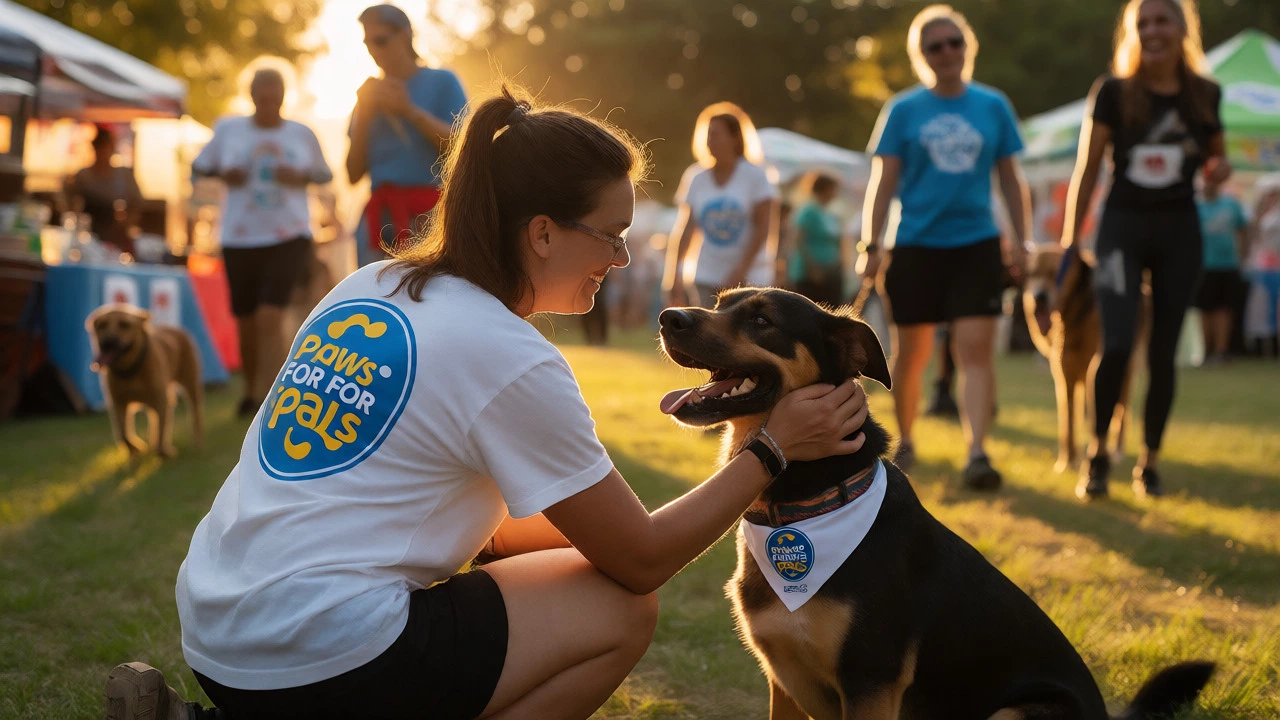
Let’s look at a hypothetical scenario based on common successes in New Zealand communities. Imagine a local animal shelter hosts a "Paws for Pals" fun run. They allow dogs to participate, which is a unique twist that attracts pet owners who might not care about running but love their pets.
They partner with a local vet clinic for sponsorship and a bakery for post-run snacks. The entry fee is modest, but the pledge page allows users to donate to specific causes within the shelter (e.g., "Buy dog food," "Fund spay/neuter surgery"). Because the goal is tangible and relatable, donations increase. The event becomes annual, creating a predictable revenue stream that helps the shelter plan its budget for the year ahead.
This specificity matters. Donors want to know exactly what their money does. "Raising funds for charity" is vague. "Raising $10,000 to vaccinate 500 rescue cats" is compelling. Tie your fun run narrative to a concrete outcome.
Getting Started: Your First Steps
If you’re ready to launch a fun run, start small. You don’t need a stadium. You need a safe route, a clear mission, and a team of enthusiastic volunteers. Begin by defining your target audience. Are you targeting families? Corporate teams? Students? This decision dictates your marketing channel.
Next, secure your sponsors before you open registration. Knowing you have corporate backing reduces financial risk. Then, build a simple online platform for registrations and pledges. Modern tools make this easy, allowing participants to track their progress and share updates on social media automatically.
Remember, the energy of the event is contagious. If your volunteers are tired and bored, the participants will be too. Invest in briefing your team well. Give them scripts, water, and good vibes. Their attitude will define the experience more than the quality of the medals.
Do I need to be a fit runner to participate in a fun run?
No. Fun runs are designed for all fitness levels. You can walk, jog, or even skip. Many events include strollers and wheelchairs. The focus is on participation and fundraising, not speed or endurance.
Where does the money from a fun run go?
After deducting operational costs (permits, insurance, swag, marketing), the remaining funds go directly to the charity's mission. Well-run events aim to keep overheads below 20-30%, ensuring the majority of donations support the cause.
Can companies sponsor a fun run?
Yes, corporate sponsorship is a key revenue source. Companies get branding visibility at the event and positive community association in exchange for funding part of the event costs or donating a fixed sum.
How far in advance should I plan a fun run?
Start planning 6 to 9 months in advance. This allows time for securing permits, booking venues, recruiting sponsors, and running a robust marketing campaign to maximize registration numbers.
What is the ideal distance for a fun run?
Most fun runs range from 1km to 5km. Shorter distances (1-2km) are better for families with young children, while 5km appeals to casual exercisers. Offering multiple distance options maximizes attendance.