Community Engagement Phrase Finder
Find the right phrase for your community work
Answer these questions to discover the most appropriate alternative to "outreach" for your specific community engagement efforts.
Your Community Engagement Phrase
Based on your responses, the most appropriate alternative to "outreach" is:
Why this phrase? It matches your work because:
People say "outreach" all the time. You hear it at nonprofit meetings, in grant applications, even on local council websites. But if you stop and think about it, "outreach" sounds like a buzzword - clean, professional, and totally empty of meaning. It doesn’t tell you what’s actually happening. Who’s being reached? How? Why does it matter? If you’re tired of using the same tired phrase, you’re not alone. There are better, clearer, more human ways to talk about connecting with your community.
Why "outreach" doesn’t work anymore
"Outreach" implies a one-way street. It suggests you’re reaching out from your office, your nonprofit, your organization - and the community is just sitting there, waiting to be touched by your brilliance. It’s a top-down word. It doesn’t reflect real relationships. In Wellington, we’ve seen this play out: a group spent six months running "outreach" events for Māori families, handing out flyers and setting up booths at markets. But they didn’t ask what those families needed. They didn’t listen. The result? Low attendance. Low trust. And no real change.
Real connection isn’t about broadcasting. It’s about listening. It’s about showing up, not just dropping in. When you say "outreach," you’re hiding behind a jargon shield. You’re avoiding the messy, beautiful work of actually building relationships.
What to say instead
Here’s the truth: there’s no single replacement for "outreach." The right word depends on what you’re doing. Here are five clear, powerful alternatives - each with its own flavor and use.
Community engagement
This is the most common swap - and for good reason. "Community engagement" implies two-way interaction. It’s not about you reaching out. It’s about you and the community working together. You’re inviting input, sharing power, co-creating solutions. If you’re holding forums, running surveys, or inviting residents to help design a program, "community engagement" fits. It’s not perfect, but it’s a step up from "outreach."
Community connection
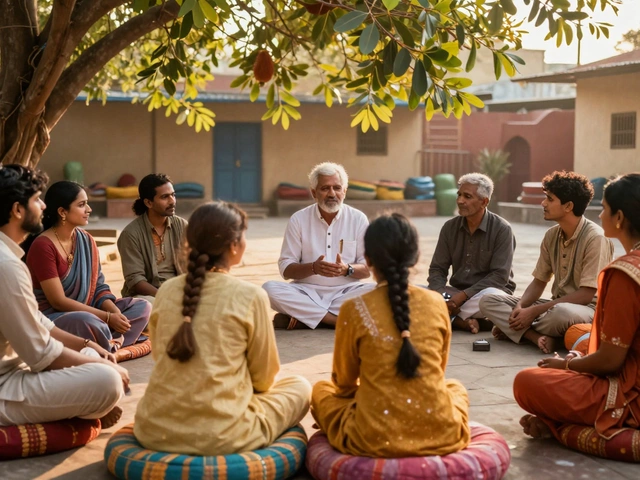
This one’s simple. It’s warm. It’s human. "Connection" doesn’t sound like a program. It sounds like a friendship. If you’re organizing coffee mornings with elders, hosting neighborhood potlucks, or walking door-to-door to chat about local issues, "community connection" captures the heart of it. It’s what happens when you stop treating people as targets and start treating them as neighbors.
Public involvement
Use this when you’re asking people to take action - not just show up, but participate. If you’re training volunteers to help with food distribution, inviting youth to lead a mural project, or asking residents to join a planning committee, "public involvement" says: "We need your hands, your voice, your ideas." It’s more active than "engagement." It’s not passive listening - it’s doing.
Grassroots organizing
This is for when you’re building power from the ground up. Not top-down programs. Not charity. Real, resident-led change. If you’re helping a group of parents start a free after-school program, or supporting a group of renters to fight unfair housing rules, "grassroots organizing" is the word. It honors the leadership of the community itself. It doesn’t say "we helped them." It says "they led it."
Building relationships
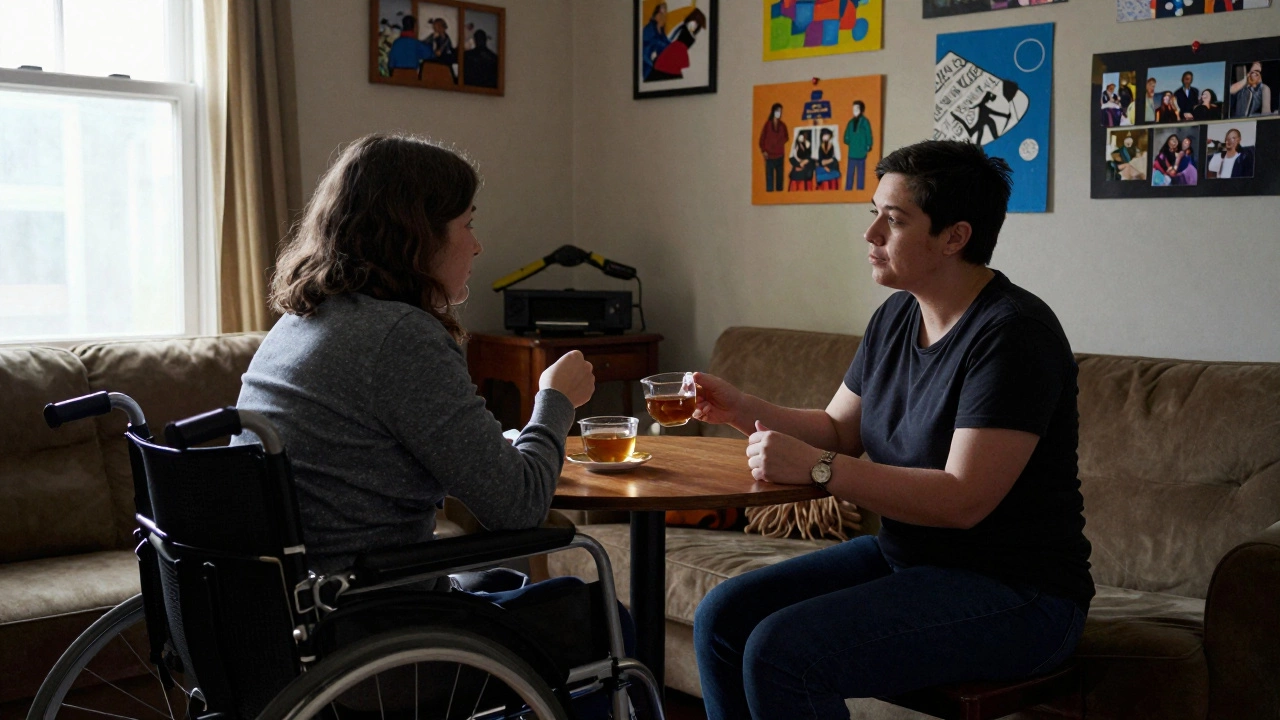
Yes, this one’s almost too simple. But sometimes, the simplest word is the most honest. If your goal is trust - real, long-term trust - then say it. "We’re building relationships with local Māori whānau." "We’re building relationships with homeless youth through drop-in centers." This phrasing doesn’t hide behind a label. It says: "We care about people, not programs."
How to pick the right word
Not every replacement works for every situation. Here’s how to choose:
- Are you asking people to listen? Use community engagement.
- Are you sharing tea, stories, and time? Use community connection.
- Are you asking people to lead, act, or contribute? Use public involvement.
- Are you helping people organize themselves? Use grassroots organizing.
- Are you trying to earn trust over time? Use building relationships.
Don’t pick the "prettiest" word. Pick the one that matches your actual work.
Real examples from Wellington
Here’s what this looks like on the ground.
At the Hutt Street Centre, staff used to say they did "outreach" to rough sleepers. Now, they say: "We’re building relationships with people living on the streets." They’ve stopped handing out pamphlets. Instead, they’ve trained peer support workers - people who’ve lived through homelessness - to lead weekly check-ins. The result? More people show up. More people stay engaged. More people feel seen.
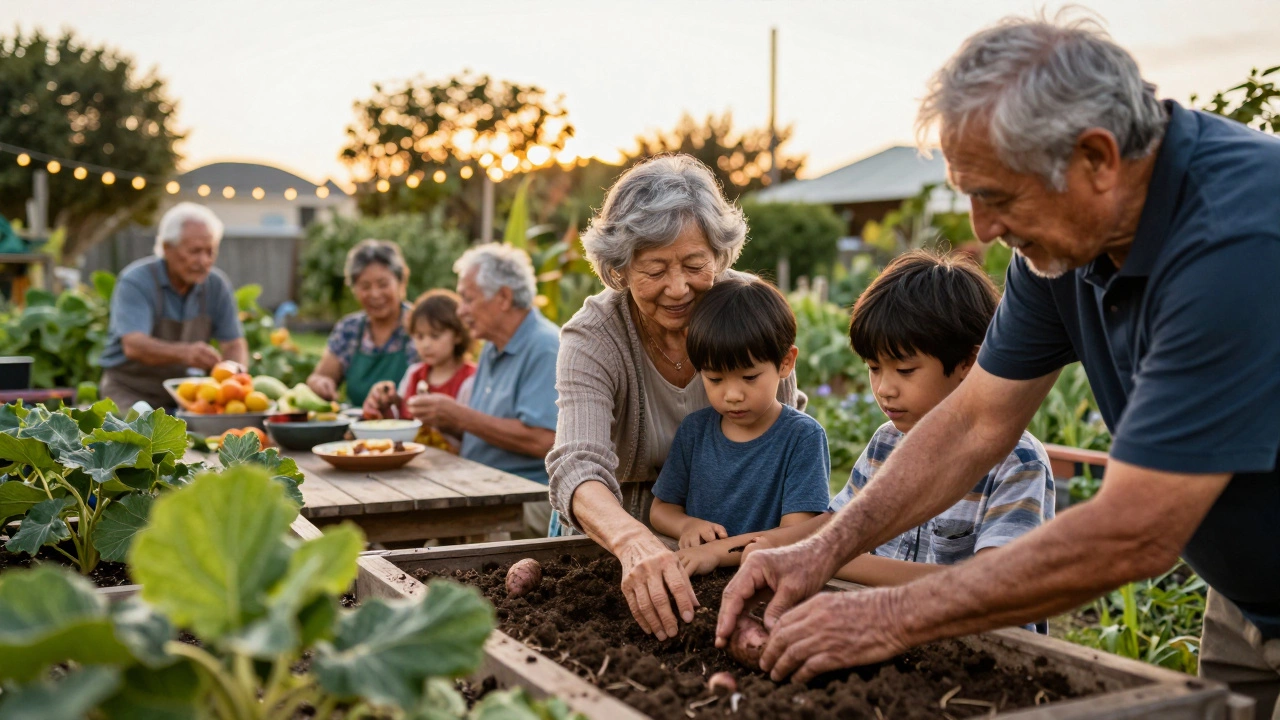
At the Miramar Community Garden, volunteers used to call their work "community outreach." Now, they say: "We’re building relationships with local Pacific families." They started hosting monthly cooking nights where elders teach traditional recipes. Kids learn to grow kūmara. Parents share stories. No flyers. No surveys. Just food, laughter, and connection.
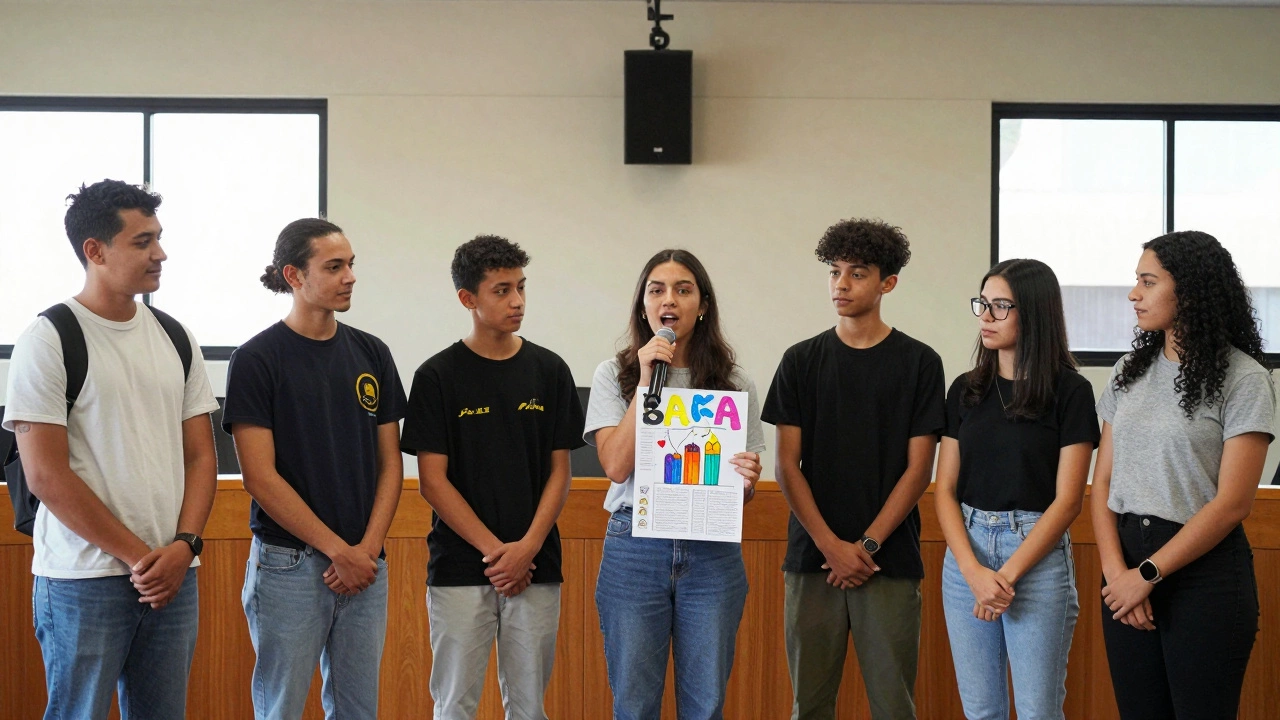
And in Porirua, a youth group stopped saying "We do outreach for at-risk teens." Now, they say: "We’re grassroots organizing with young people to redesign youth services." They ran a youth-led survey. They presented findings to the council. They got funding. They changed policy. No more "outreach." Just power.
What happens when you stop saying "outreach"
When you replace "outreach," something shifts. Your language changes. Your actions change. Your mindset changes.
You stop thinking about "targeting" people. You start thinking about listening.
You stop measuring success by how many flyers you handed out. You start measuring it by how many people came back.
You stop seeing your community as a problem to solve. You start seeing them as partners.
And that’s the real goal, isn’t it? Not to check a box. Not to look good on a grant report. But to create real, lasting change - together.
What to avoid
Some phrases sound better than "outreach," but they’re still hollow.
- "Service delivery" - sounds clinical. Like you’re handing out a product, not building trust.
- "Public awareness" - implies people are ignorant, and you’re the teacher.
- "Engagement campaigns" - still feels like marketing. Not community.
These words still put you in charge. They still treat people as passive recipients. They’re just fancier versions of "outreach."
Start today
Next time you’re writing a report, planning a meeting, or talking to a funder - pause. Ask yourself: What am I really doing here?
Are you reaching out? Or are you showing up?
Are you serving? Or are you listening?
Are you running a program? Or are you helping people build their own?
Replace "outreach" with the word that matches your truth. It might feel strange at first. But it’s worth it. Because when your language changes, your work changes. And when your work changes, so does your community.
Is "community outreach" still acceptable in formal writing?
Yes, but it’s becoming outdated. Many grant applications and official documents still use "community outreach" because it’s familiar. But forward-thinking organizations are shifting. If you’re writing for funders who value authentic engagement, using "community connection" or "building relationships" will stand out - and show you understand real change. It signals that you’re not just checking boxes.
Can I use "outreach" if I’m talking about digital outreach?
For digital efforts, "outreach" still has some traction - especially in tech or public health contexts. But even here, better options exist. Instead of "digital outreach," try "online community building," "digital engagement," or "connecting through social platforms." If you’re using social media to listen, respond, and co-create, "outreach" doesn’t capture that. "Digital engagement" does.
What if my organization has "outreach" in its name?
You don’t need to change your legal name. But you can change how you talk about your work. For example, if you’re "Wellington Community Outreach Inc.," you can still say: "We build relationships with local families," or "We engage residents in housing solutions." Your brand stays the same. Your language evolves. That’s how change happens.
How do I convince my team to stop using "outreach"?
Start with a simple exercise: Ask everyone to describe their last interaction with a community member. What happened? Was it a flyer drop? A survey? A conversation? Then ask: "Which word best describes that?" Often, people realize "outreach" doesn’t fit. Use real stories - not theory. When people see how much more honest and powerful their own words are, they’ll want to change.
Does this matter for small community groups?
It matters even more. Small groups don’t have big PR teams or funders demanding jargon. You have the freedom to be real. Saying "we’re building relationships" instead of "we do outreach" makes your work feel human. It attracts volunteers who care about people, not programs. It builds trust. And trust is what keeps your group alive.