When you're trying to build real, lasting change in a neighborhood, it's not enough to hand out flyers or host a one-time event. Real engagement doesn’t happen because you asked people to show up-it happens because they feel seen, heard, and valued. That’s where the 5 C's of engagement come in. These aren’t buzzwords. They’re the working parts of every successful community outreach effort, from food drives to youth mentorship programs. If you skip even one, your efforts will fizzle out. Here’s what actually works.
Connection: Start With People, Not Programs
You can’t engage a community if you don’t know who’s in it. Too many organizations jump straight into planning events, assuming they know what’s needed. That’s how you end up with a free tech workshop no one attends because the people who need it don’t even know it exists. Connection means showing up before you ask for anything. It means sitting in on PTA meetings, showing up at the corner store, listening to the barber’s complaints about the lack of after-school spaces. Real connection is built over time, not in a grant proposal. In East Oakland, a nonprofit spent six months just walking door-to-door-not to collect data, but to say hello. By the time they launched their after-school program, 87% of families had already heard about it from a neighbor. That’s connection.
Consistency: Show Up, Every Week
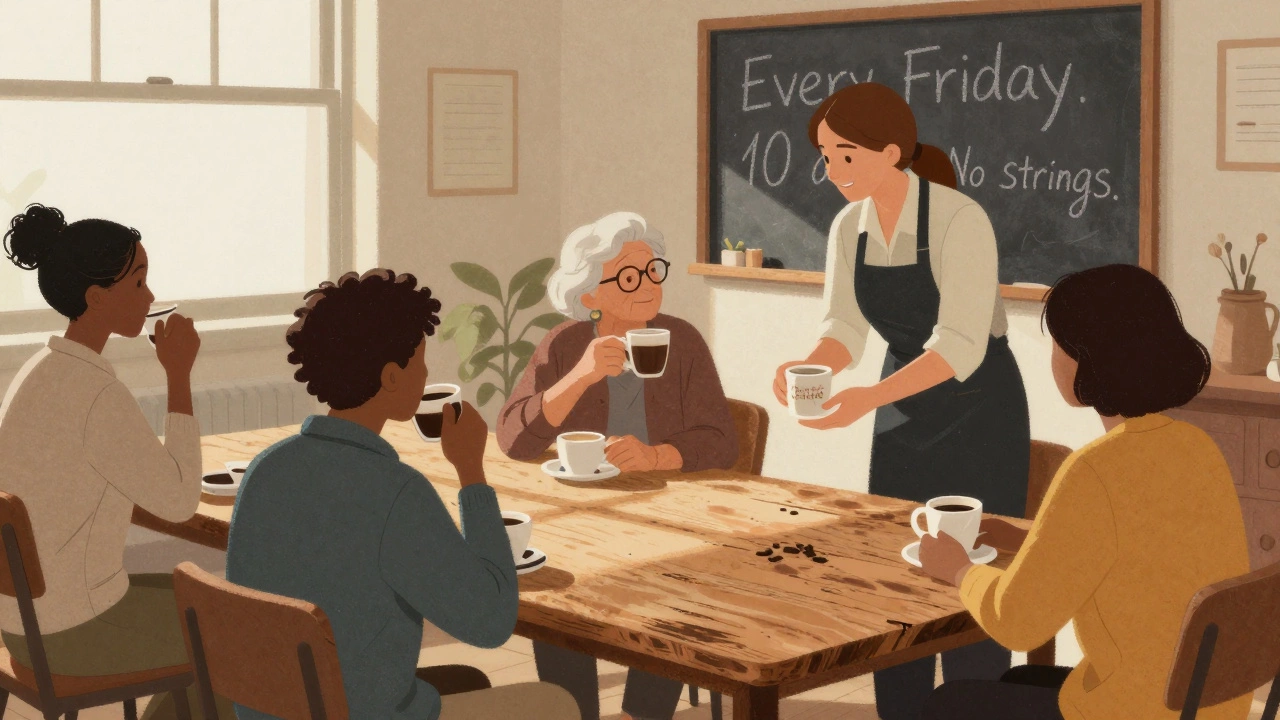
Trust isn’t built in a month. It’s built in 52 weeks. If you show up once for a holiday meal and vanish until next year, people learn to stop expecting you. Consistency means being there when things are quiet, not just when there’s a crisis. A food bank in Milwaukee started offering weekly coffee hours alongside their food distribution. No strings attached. Just coffee, chairs, and someone to talk to. Within a year, their client retention rate jumped from 40% to 82%. Why? Because people weren’t just coming for food-they were coming for the routine, the familiarity, the fact that someone remembered their name. Consistency turns transactions into relationships.
Clarity: Say What You Mean, Mean What You Say
Confusion kills engagement faster than apathy. If your flyer says "Join our empowerment initiative," no one knows what that means. If it says "Come learn how to fix your bike for free every Thursday," people show up. Clarity isn’t about simplifying-it’s about being specific. What’s the action? When? Where? What’s in it for them? A community garden project in Detroit lost half its volunteers because the sign-up sheet said "Help build sustainable neighborhoods." People had no idea what that meant. They changed it to: "Bring gloves. We’re planting 200 tomato plants Saturday at 9 a.m. Pizza after.", and sign-ups doubled. Clarity removes the guesswork. It tells people exactly how to participate.
Capacity: Give People Real Power, Not Just Participation
Engagement isn’t about getting people to volunteer for your agenda. It’s about letting them lead it. Capacity means handing over control-not just inviting input. Too many outreach programs have "community advisory boards" where residents sit silently while staff make all the decisions. That’s not engagement. That’s theater. True capacity means letting people hire staff, manage budgets, set priorities. In Tacoma, a youth group took over the design and funding of a local park. The city gave them $50,000 and a seat at the planning table. Within two years, that same group had raised $120,000 in local donations, hired two teens as park coordinators, and redesigned the space to include a mural painted by neighborhood kids. They didn’t just participate-they led.
Commitment: Don’t Just Ask for Time-Ask for Belonging
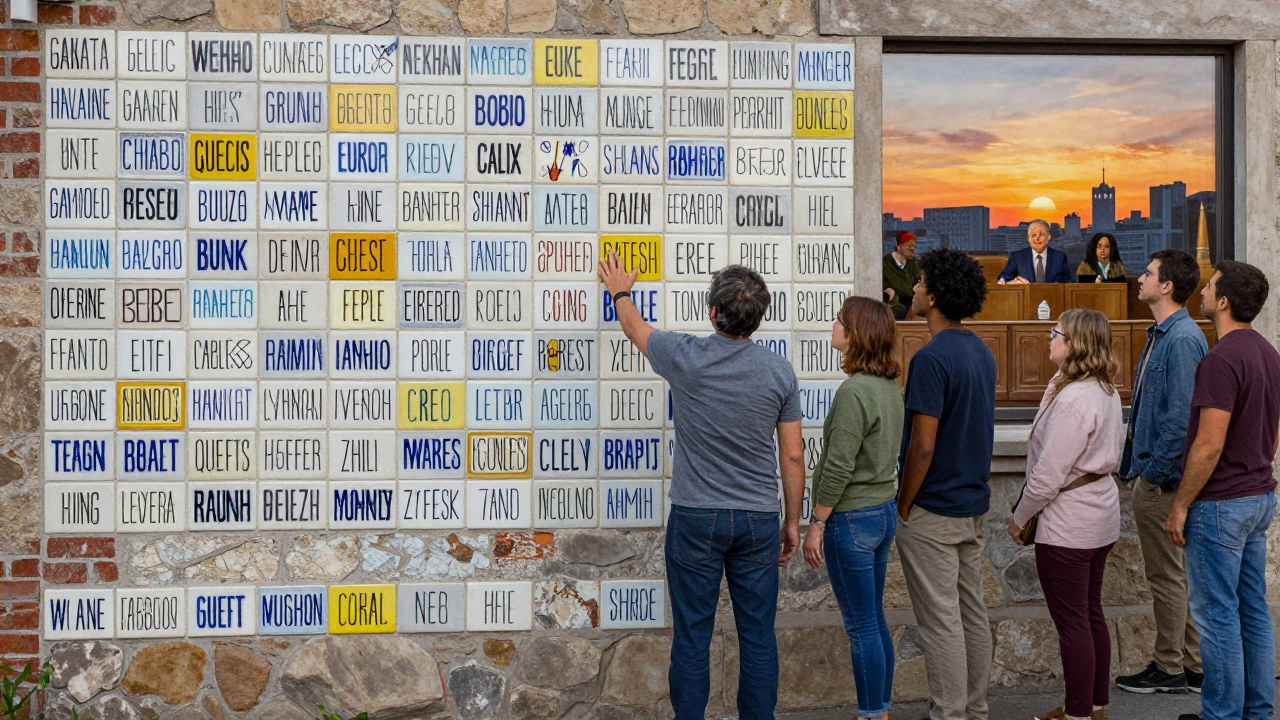
People will give you an hour. But they won’t give you their heart unless they feel like they belong. Commitment is the difference between a volunteer who shows up once and a neighbor who fights for your cause when it’s under threat. That’s why the most effective outreach programs don’t just recruit-they invite. They create rituals: annual potlucks, naming rights for benches, plaques that say "Built by the community." In Philadelphia, a housing advocacy group started giving each new member a hand-painted tile with their name on it. They built a wall with 300 tiles over five years. When the city tried to cut funding, 150 people showed up at the council meeting-not because they were paid, but because their tile was on that wall. They felt like they owned it. Commitment isn’t about loyalty to an organization. It’s about pride in something you helped build.
Why the 5 C's Work Together
These five pieces aren’t steps in a checklist. They’re layers. Connection opens the door. Consistency keeps it open. Clarity tells people what to do when they walk in. Capacity gives them the tools to change what’s inside. And commitment makes them refuse to let anyone shut the door again. Skip connection, and you’re talking to empty chairs. Skip consistency, and you’re a flash in the pan. Skip clarity, and you’re lost in jargon. Skip capacity, and you’re running a puppet show. Skip commitment, and you’ve got volunteers, not a movement.
Real Examples, Not Theory
A group in Phoenix used the 5 C's to cut youth violence by 38% in three years. They didn’t start with a new program. They started by asking teens: "What do you need?" They listened. They showed up every Friday night at the skate park. They didn’t hand out flyers-they handed out skateboards. They let teens run the events. They posted clear schedules: "Every Friday. 6-9 p.m. Free snacks. No rules." And they didn’t stop when funding ran out-they trained six teens to lead the program themselves. Today, it’s a city-funded initiative, led entirely by former participants.
What Happens When You Ignore One C?
Think about the last time a nonprofit you cared about disappeared. Maybe it was a literacy program that vanished after one year. Or a senior center that closed because no one showed up. Nine times out of ten, it wasn’t because of lack of money. It was because one of the C's was missing. Maybe they had great ideas (capacity) but never connected with the people. Maybe they showed up every week (consistency) but never told people what they were doing (clarity). The breakdown is always the same: effort without engagement is noise.
How to Start Using the 5 C's Today
- Map your current outreach: Which of the 5 C's are you already doing? Which are missing?
- Ask one person in your community: "What would make you show up regularly?" Write down their answer. Don’t argue. Just listen.
- Replace one vague phrase in your next flyer with something specific. "Join our mission" → "Come paint the mural at 3rd and Maple every Saturday at 10 a.m."
- Give someone on your team the power to change one decision without asking for approval.
- Plan one ritual-something you’ll do the same way, every time. A song. A handshake. A shared meal.
You don’t need a big budget. You don’t need fancy software. You just need to show up, stay consistent, speak clearly, give power away, and make people feel like they belong. That’s how movements start. Not with grand speeches. But with coffee, concrete plans, and a community that finally feels like it’s being listened to.