State Housing Assistance Comparison Tool
Compare Housing Assistance Across States
Comparison Results
If you're struggling to find a place to live on a low income, you're not alone. Millions of Americans spend more than half their paycheck on rent, and many still end up homeless. But some states make it significantly easier to get help than others. The truth is, there’s no single state where housing is magically cheap or abundant-but some have systems that actually work for people who need it most.
Why Some States Work Better Than Others
It’s not about how rich or poor a state is. It’s about how well their housing programs are funded, how fast they move applications, and how much they prioritize people over bureaucracy. In states like Minnesota, Vermont, and Oregon, you’ll find longer waiting lists-but also higher payment standards and more landlords who accept housing vouchers. In contrast, states like Mississippi or Alabama have fewer vouchers available and shorter payment periods, meaning even if you qualify, you might not find a landlord who’ll take your voucher.
The biggest difference? Housing Choice Voucher (Section 8) acceptance rates. In states with strong tenant protections, landlords can’t legally refuse vouchers. That’s the law in California, New York, and Maryland. In other states, landlords can say no without giving a reason. That makes a huge difference when you’re trying to get off a waiting list that’s years long.
Minnesota: The Best Balance of Access and Support
Minnesota consistently ranks as one of the easiest states to get low income housing. Why? Three reasons: high voucher payment standards, strong landlord outreach, and local housing authorities that actually call applicants back.
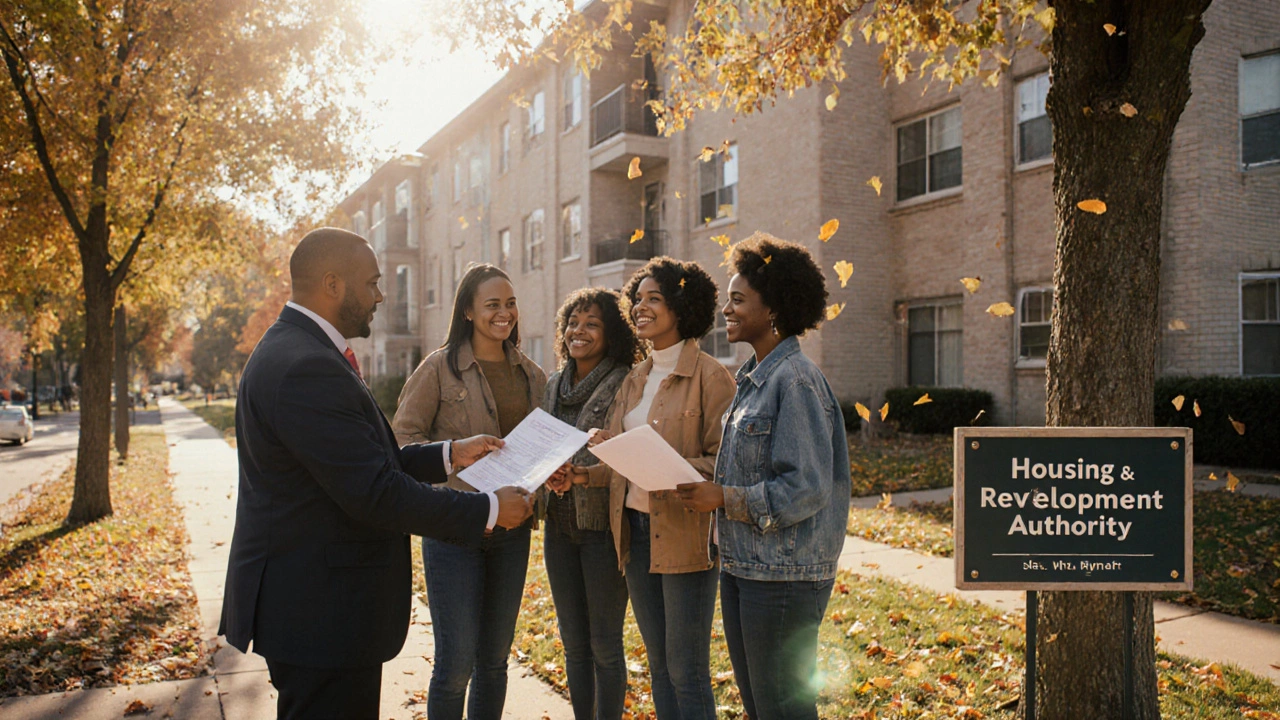
In Minneapolis and St. Paul, the Housing and Redevelopment Authority (HRA) pays up to 100% of the fair market rent for a two-bedroom apartment in most neighborhoods. That’s higher than the federal average. They also run a landlord incentive program that gives property owners up to $2,000 in relocation assistance for each voucher tenant they accept. That means landlords are more willing to rent to people on assistance.
Waiting lists in Minnesota still exist-but they’re shorter than in California or New York. The average wait is 12 to 18 months, not 3 to 5 years. And if you’re homeless or at risk of eviction, you get priority. You don’t have to be sleeping on the street to qualify-just behind on rent or living in a dangerous situation.
Vermont: Small State, Big Support
Vermont has the smallest population of any state in New England, but it has one of the highest rates of housing assistance per capita. The state government funds its own housing program on top of federal vouchers. That means more money, more units, and fewer people falling through the cracks.
They also have a statewide housing locator service. If you’re approved for a voucher, a housing specialist will help you find a place. They call landlords, negotiate lease terms, and even help with security deposits. In many states, you’re on your own after you get the voucher. In Vermont, they walk you through it.
Plus, Vermont law prohibits housing discrimination based on source of income. That includes Section 8 vouchers, Social Security, or even child support payments. Landlords can’t say no just because you’re on assistance. That’s not the case in 30 other states.
Oregon: Urban and Rural Help
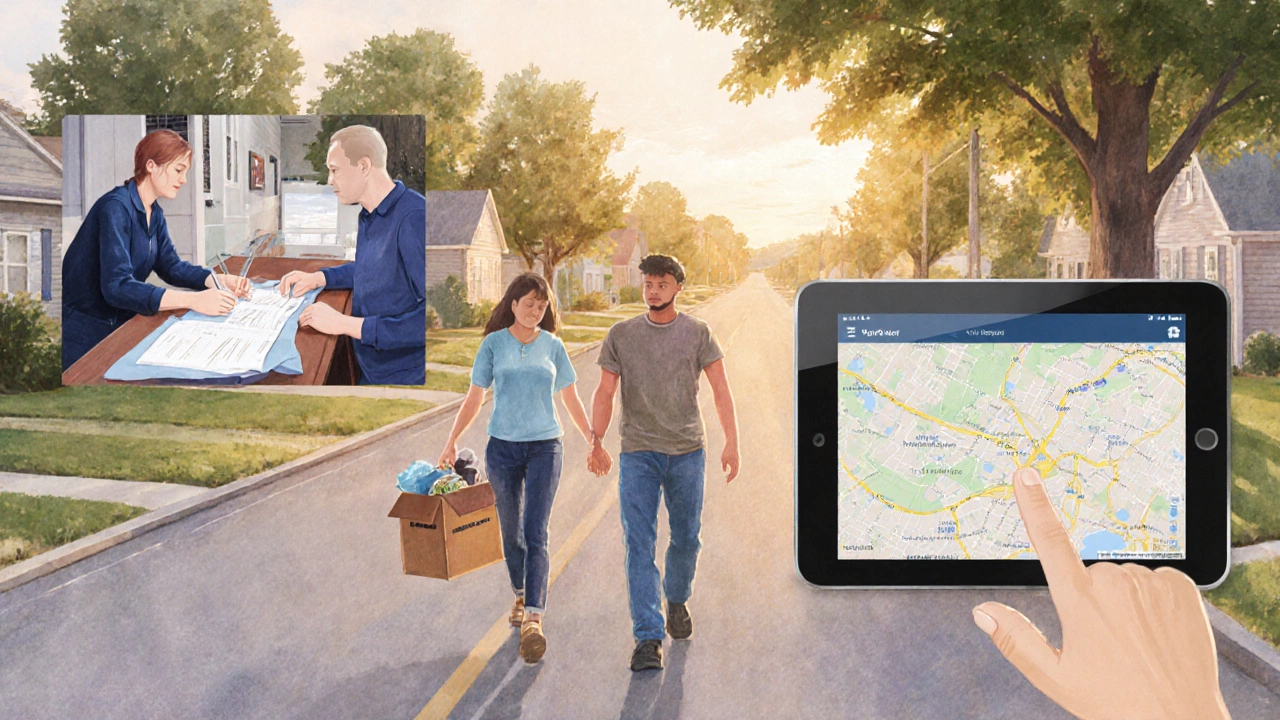
Oregon has a unique system. Portland and Eugene have strong voucher programs, but so do smaller towns. The state funds local housing agencies in every county, even rural ones. That means if you’re in Baker County or Klamath Falls, you still have access to housing assistance.
The Oregon Housing and Community Services (OHCS) also runs a Rapid Rehousing program. If you’re homeless or about to be, you can get up to 12 months of rent help, plus case management. No waiting list. You apply, get approved in days, and get help moving in.
They also have a statewide database of landlords who accept vouchers. You don’t have to guess who will take your application. You just log in and see which apartments are available.
States That Make It Harder
Some states have very few vouchers and long waits. Texas, Georgia, and Florida have large populations but limited funding. In Houston, the waiting list for Section 8 is over 8 years. In Atlanta, it’s more than 5. And in Florida, many counties don’t even have active housing authorities anymore.
In states like Alabama, Mississippi, and South Carolina, the average voucher payment covers less than 40% of the market rent. That means even if you get approved, you’d need to pay over half your income just to cover the difference. Most people can’t do that.
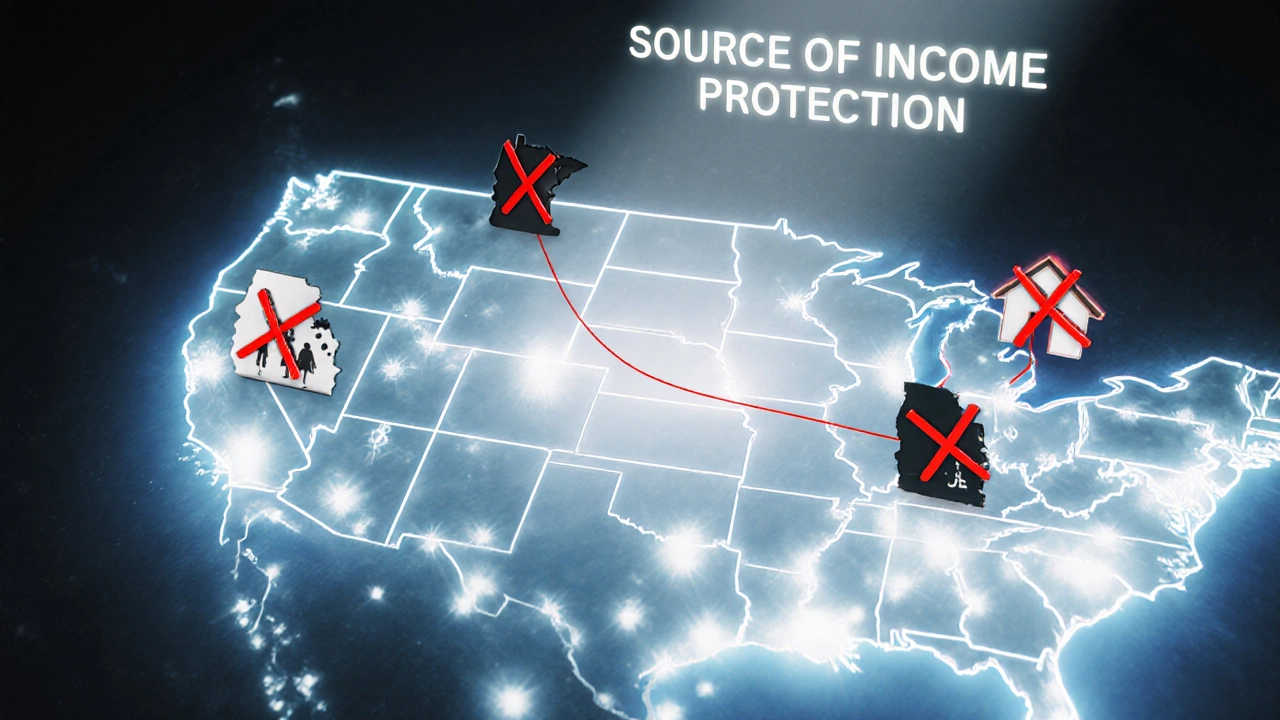
And in states without source-of-income protection laws, landlords can legally turn you away. You could be approved for a voucher, find an apartment, and still be rejected because you use government help.
How to Get Help Fast-No Matter Where You Live
If you’re in a state with long waits, don’t wait. Here’s what actually works:
- Apply to every housing authority in your region. Don’t just pick one. Apply in your city, county, and nearby towns. Some have shorter lists.
- Ask about emergency or priority queues. If you’re homeless, fleeing domestic violence, or have a disability, you may qualify for faster help.
- Visit your local homeless shelter or community center. They often have housing advocates who can help you fill out forms and follow up.
- Check for state-funded programs. Some states have extra funds for families, veterans, or people with disabilities. These aren’t always advertised.
- Use 211.org. Dial 2-1-1 or visit the website. It connects you to local housing resources, including emergency shelters, rental assistance, and housing counselors.
Don’t rely on just one path. Apply for Section 8, but also look into public housing, housing vouchers for veterans, or emergency rental assistance programs. Some cities have their own programs separate from federal ones.
What to Do If You’re Already Homeless
If you’re sleeping in a car, shelter, or on the street, your first step is to get connected to a shelter that offers housing assistance. Not all shelters do-but many do. Call 211 or go to your local Department of Health and Human Services.
Shelters in states like Minnesota, Vermont, and Oregon often have housing specialists on-site. They can help you apply for vouchers while you’re still staying there. You don’t need an address to apply. You just need to be able to show you’re homeless.
Some shelters also have partnerships with landlords who take vouchers. They’ll set up the lease for you. That’s rare-but it happens.
What You Can’t Rely On
Don’t believe the myth that you can just show up at a housing office and get an apartment the same day. That doesn’t happen. Even in the best states, it takes weeks or months.
Don’t trust online ads promising “instant housing assistance.” Those are scams. Real housing programs never ask for money upfront.
And don’t give up if you’re turned down. Reapply. Ask why. Sometimes it’s a paperwork error, not a denial. Keep calling. Keep following up.
Where to Start Today
Right now, go to HUD’s housing voucher locator and find your local housing authority. Write down their phone number. Call tomorrow. Don’t wait. If they’re closed, call again the next day. People who get help fast are the ones who keep showing up.
Also, download the 211 app or save the number. It’s free, confidential, and available 24/7. You don’t need to be homeless to use it. You just need to need help.
Low income housing isn’t easy anywhere-but in some places, the system is built to help you. Use it. Push it. Don’t wait for permission. You have a right to a safe place to live.
Which state has the shortest wait for Section 8 housing?
Minnesota and Vermont typically have the shortest waiting lists for Section 8 vouchers, with waits averaging 12 to 18 months. This is due to higher funding levels, landlord incentive programs, and prioritization of vulnerable populations. In contrast, states like Texas and Florida can have waits of 5 to 8 years.
Can you get housing assistance if you’re not officially homeless?
Yes. Many housing programs prioritize people who are at risk of homelessness-not just those already on the street. If you’re behind on rent, living in unsafe conditions, or being evicted, you can qualify for emergency housing assistance. You don’t need to be sleeping outside to get help.
Do all landlords have to accept housing vouchers?
No. Only in states and cities with source-of-income protection laws are landlords required to accept vouchers. As of 2025, this includes California, New York, Maryland, Vermont, Minnesota, Oregon, and a few others. In most states, landlords can legally refuse vouchers without giving a reason.
How much money do housing vouchers cover?
Vouchers typically cover the difference between 30% of your income and the fair market rent for your area. In high-cost areas like San Francisco, vouchers may cover most of the rent. In lower-cost areas like rural Mississippi, they might cover only half. Minnesota and Vermont pay close to 100% of fair market rent for most units.
Can you apply for housing assistance if you have a criminal record?
Yes. Federal law prohibits blanket bans on people with criminal records from receiving housing assistance. However, housing authorities can deny applicants for recent violent crimes or sex offenses. Many local agencies have policies that consider rehabilitation, time passed since the offense, and job stability. Don’t assume you’re disqualified-apply anyway.