Volunteer Burnout: Why Good Hearts Get Exhausted and How to Recover
When you give your time, energy, and heart to a cause, you expect to feel fulfilled—not drained. But volunteer burnout, a state of emotional, physical, and mental exhaustion caused by long-term volunteering without adequate support or rest. Also known as compassion fatigue, it’s when the very act of helping starts to feel like a weight. This isn’t weakness. It’s a system failure. Too many nonprofits ask volunteers to do more with less—no pay, no breaks, no recognition—and then wonder why people disappear.
Volunteer burnout doesn’t happen overnight. It creeps in when someone is juggling a full-time job, family, and weekend food bank shifts—then gets asked to lead a fundraiser, manage social media, and train new volunteers on top of it. nonprofit burnout, the organizational culture that overworks volunteers without sustainable structures. It’s not just about too many hours. It’s about lack of boundaries, unclear roles, and no one checking in to ask, "How are you really doing?" And when volunteers leave, it’s not because they stopped caring. It’s because they were never given space to breathe.
People who care the most are often the first to burn out. That’s why volunteer retention, the practice of keeping volunteers engaged through support, recognition, and realistic expectations. is just as important as finding new ones. You can’t fix burnout by recruiting harder. You fix it by listening. By giving volunteers control over their time. By thanking them—not just with a certificate, but with real rest. By making sure no one is carrying the whole load alone.
This isn’t about guilt. It’s about sustainability. If your community group relies on volunteers who are running on fumes, it’s not a movement—it’s a house of cards. Real change needs steady hands, not exhausted ones. The posts below show you how to spot the signs before it’s too late, how to rebuild your energy, and how organizations can create systems that actually protect the people doing the work. You gave your time. Now it’s time to get your life back.

Why Are Some People Against Volunteering?
Many people avoid volunteering not because they don’t care, but because of hidden costs, forced participation, bad experiences, and mistrust in organizations. Understanding these barriers is key to making volunteering truly inclusive.
Detail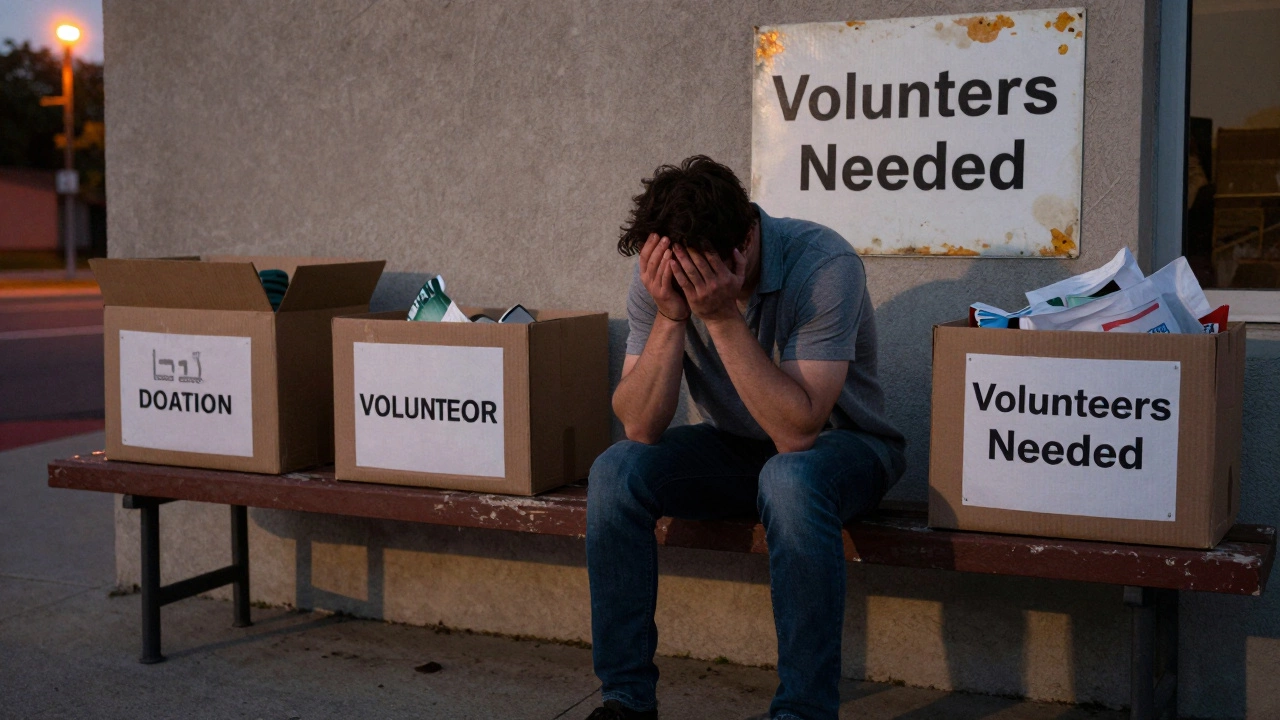
What Are the Real Negatives of Volunteering?
Volunteering isn't always rewarding-it can lead to burnout, exploitation, and emotional tolls. Here are the real downsides most organizations won't tell you about.
Detail
Knowing When to End Your Volunteer Commitment
Volunteering offers rewarding personal and community benefits, but knowing when to step back is important. The article explores signs of volunteer burnout, impact of overextending oneself, and techniques to gracefully reduce commitments when necessary. Practical advice for maintaining a healthy balance between volunteer work and personal life ensures lasting benefits for both individuals and organizations.
DetailRelated Posts