Volunteering is often painted as a noble act - something everyone should do, a path to meaning, a way to give back. But not everyone feels that way. In fact, many people actively resist volunteering, even when it’s presented as a great opportunity. Why? It’s not because they’re selfish or uncaring. The truth is more complicated, and it’s rarely talked about.
It’s Not Always Free
People hear "volunteer" and imagine a Saturday morning handing out sandwiches at a shelter. But real volunteering often comes with hidden costs. Time is the biggest one. If you work two jobs, care for a sick parent, or manage kids’ schedules, adding another commitment isn’t a gift - it’s a burden. A 2024 survey by the National Volunteer Network found that 68% of people who declined volunteering cited time constraints as their main reason. They’re not avoiding help - they’re already stretched too thin.
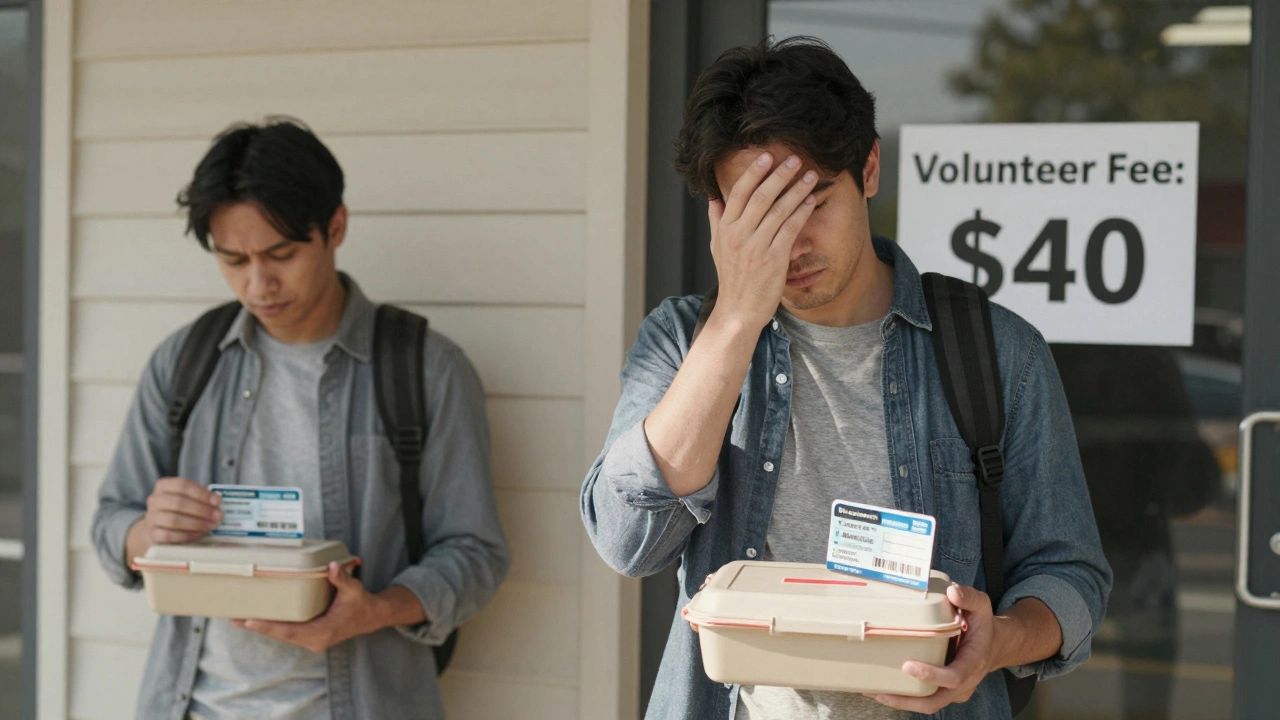
Money matters too. Some organizations ask volunteers to cover their own transportation, uniforms, or training fees. For someone living paycheck to paycheck, that’s not generosity - it’s a tax on their goodwill. One woman in Ohio told a local news outlet she wanted to help at the food bank, but the $40 fee for a required background check and shirt was more than her weekly bus pass. She didn’t say no because she didn’t care. She said no because she couldn’t afford to.
Volunteering Can Feel Like a Trap
There’s a quiet pressure to volunteer, especially in workplaces, schools, and even churches. "Everyone’s doing it," they say. Or worse: "It looks great on your resume." That’s not volunteering - that’s performance. People sense when the expectation is less about helping and more about checking a box.
Some nonprofits use volunteer hours as a metric for success. That turns real people into numbers. A volunteer coordinator once admitted to a reporter that they pushed volunteers to log 20 hours a month because "it makes us look better to donors." When people feel like they’re being used as props, they walk away. And they don’t come back.
Bad Experiences Stick
One bad day can ruin a lifetime of willingness. Imagine showing up to help at a community garden, only to be told to sit and wait while the organizer takes a two-hour coffee break. Or showing up to tutor kids, only to find out the program hasn’t had supplies in months. Or being yelled at by a staff member because you didn’t know the "right way" to fold blankets.
These aren’t rare. A 2023 study from the University of Michigan tracked 1,200 first-time volunteers. Of those who had negative experiences - poor communication, lack of training, or being treated like disposable labor - 82% never volunteered again. The problem isn’t the cause. It’s the system.

Forced Volunteering Isn’t Volunteering
Some schools, courts, and even employers require people to volunteer. A teenager might be sentenced to 50 hours of community service. A college student might need 100 hours to graduate. A worker might be told their bonus depends on volunteering hours.
When you’re forced, it stops being about helping. It becomes about avoiding punishment or getting a reward. That changes the whole dynamic. People resent it. And resentment doesn’t build compassion - it builds resistance. A man in Atlanta who was ordered to volunteer after a minor offense told a social worker: "I’ll do the hours, but I’ll never donate a dime or show up again on my own. You took my choice away. That’s not charity. That’s control."
They Don’t Trust the System
Not everyone believes charities do good. Some have seen nonprofits waste money, overpay executives, or ignore the real needs of the people they claim to serve. Others remember when a local food bank refused to give out fresh produce because "it didn’t fit their donation guidelines."
When people feel like organizations are more focused on image than impact, they stop believing. A 2025 poll by the Center for Civic Trust found that 54% of Americans under 35 said they wouldn’t volunteer because they didn’t trust nonprofits to use their time effectively. They’re not anti-help. They’re anti-hypocrisy.
Volunteering Doesn’t Always Feel Like It’s for Them
Many programs assume everyone wants to serve meals or tutor kids. But what if you’re not good with kids? What if you hate crowds? What if you’re quiet, introverted, or just better with data than with people?
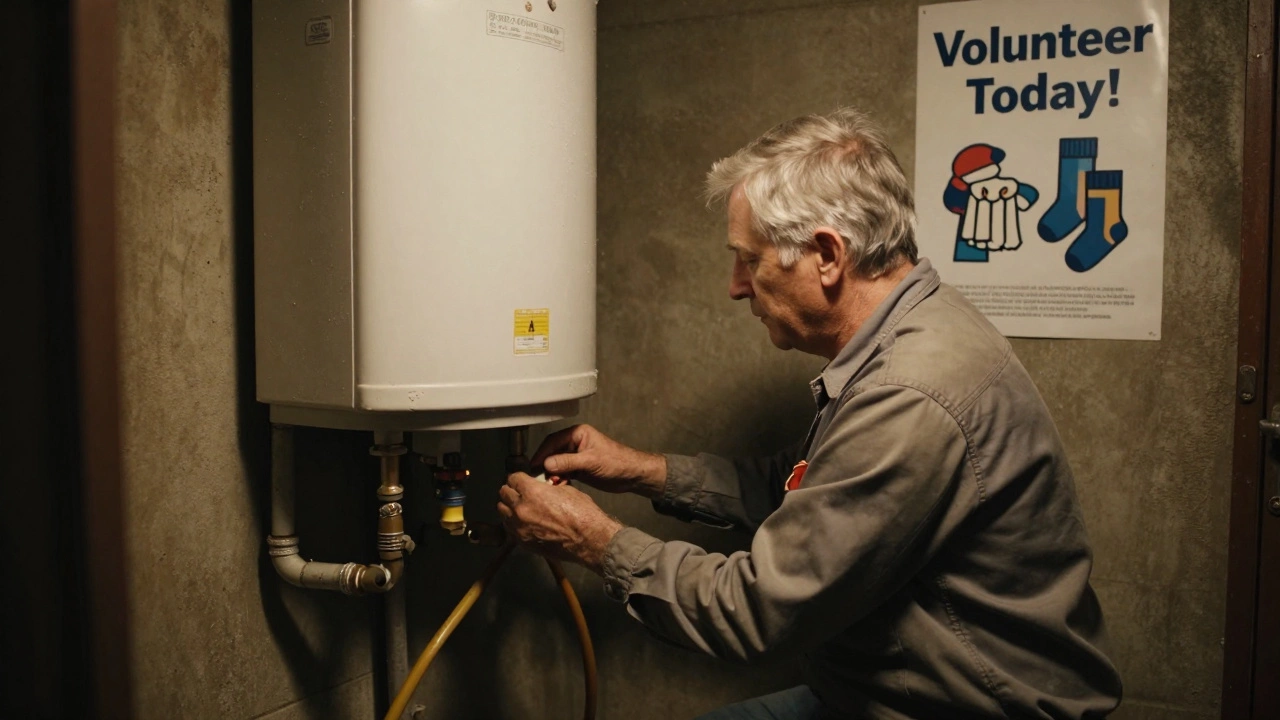
Volunteer roles are often narrow. You’re either serving food or walking dogs. There’s little room for people who want to build websites, translate documents, or fix plumbing. A woman in Chicago, a retired engineer, wanted to help her local shelter - but the only option was handing out socks. She ended up fixing their broken water heater on her own time. She never got thanked. She never got asked back. She stopped volunteering because no one saw her skills - only her availability.
It’s Not About Lack of Care
The biggest misunderstanding? That people who don’t volunteer don’t care. They do. They just show it differently. They donate money. They speak up at city council meetings. They help a neighbor carry groceries. They quietly pay for a stranger’s meal. They don’t need to wear a T-shirt to prove they’re good.
Volunteering is one way to help. It’s not the only way. And pushing it as the gold standard ignores the real lives people live - the exhaustion, the fear, the financial stress, the past hurts. People aren’t turning away from kindness. They’re turning away from being treated like tools.
Maybe the real question isn’t "Why don’t they volunteer?" It’s "Why do we make volunteering so hard, so rigid, and so demanding?"