Homeless Shelters: What They Do, Who They Help, and How to Support Them
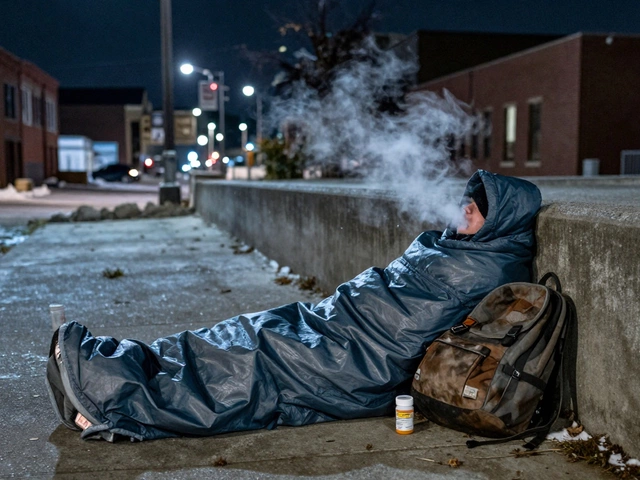
When someone has nowhere to sleep at night, homeless shelters, safe places that offer food, beds, and basic care for people without stable housing. Also known as emergency shelters, they’re often the first step out of crisis—not a long-term fix, but a lifeline. These aren’t just buildings with cots. They’re run by local nonprofits, churches, and sometimes city agencies, and they serve people from all walks of life: veterans, teens who aged out of foster care, families fleeing abuse, workers hit by medical bills or job loss. In many cases, the person sleeping there yesterday might have had a job last week. Homeless shelters don’t judge—they respond.
Supporting someone in crisis isn’t just about giving a meal. It’s about connecting them to housing aid, programs that help people move from temporary shelter into permanent homes, like rent subsidies, job training, or mental health services. Many shelters partner with social workers who help people apply for government benefits, get ID cards, or find counseling. And while some shelters are open 24/7, others only open at night, which means people might walk miles just to get a warm bed. The real need isn’t just more beds—it’s more systems that prevent homelessness before it starts.
There’s also a big gap between what people think shelters offer and what they actually can provide. A shelter might have a bed, but not a shower every day. It might serve dinner, but not enough nutritious food. Some don’t allow pets, which keeps people away because their dog is their only companion. Others don’t take couples together, forcing families apart. Understanding these limits helps you know where to direct help—whether it’s donating blankets, volunteering to cook, or pushing local leaders to fund more permanent housing solutions.
And it’s not just about charity. social services, the network of government and nonprofit programs designed to support vulnerable populations—like food assistance, Medicaid, or unemployment benefits—are often the backbone that keeps shelters from being overwhelmed. But these systems are patchy. One city might have a strong outreach team; another might have no case managers at all. The difference between survival and stability often comes down to who’s paying attention.
What you’ll find below are real stories and practical guides about how shelters operate, who gets left out, what funding really looks like, and how everyday people can step in—not just with donations, but with knowledge, advocacy, and action. Some posts dig into the Arkansas homeless grant, showing how state funds can help. Others look at how food banks and support groups tie into shelter work. There’s no magic solution, but there are real people doing real things, and they need more help than they’re getting.

What State Can You Not Sleep in Your Car? Real Laws for People Without Shelter
Laws about sleeping in your car vary wildly by state and city. While some places protect the right to rest, others criminalize it. This guide breaks down where it’s legal, where it’s not, and what alternatives exist for people without shelter.
Detail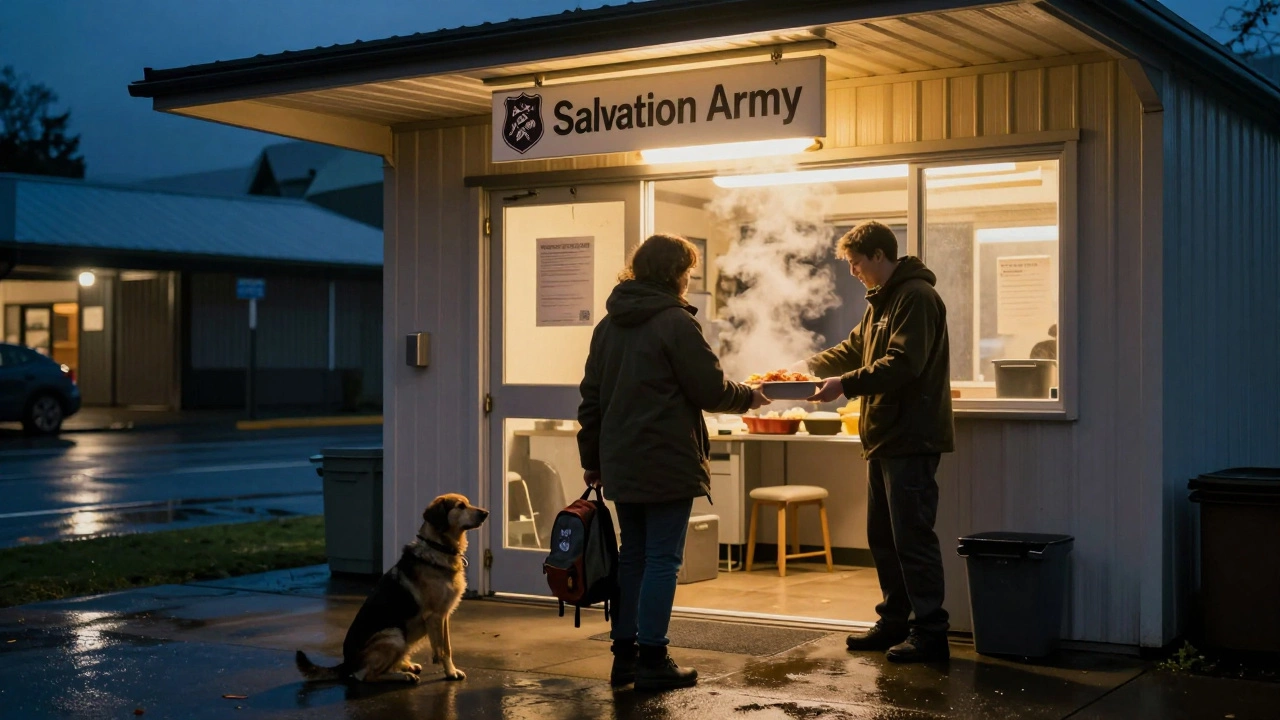
Where to Find Help When You're Homeless: Real Places That Work
When you're homeless, knowing where to go can save your life. This guide shows real places in New Zealand that offer shelter, food, and support-no questions asked.
Detail
What State Is Best for Helping Homeless People? Top Programs and Real Results
Utah, Minnesota, and Washington have the most effective systems for helping homeless people by prioritizing permanent housing over shelters. California spends the most but struggles with cost and scale. Learn what actually works-and what doesn't.
Detail
Where Is the Best Place to Be If You Are Homeless? Real Options That Work
If you're homeless, knowing where to go can save your life. This guide breaks down the safest, most supportive shelters and services in 2025-and how to access them without barriers.
Detail
What State Is the Easiest to Get Low Income Housing?
Some states make it much easier to get low income housing than others. Minnesota, Vermont, and Oregon have stronger programs, shorter waits, and better landlord support. Learn where to apply and how to get help fast-even if you're homeless.
Detail
Is It a Crime to Be Homeless in Texas?
Texas has been making headlines with its tough stance on homelessness, but are people actually being criminalized just for not having a home? This article breaks down the real situation facing homeless folks in Texas, what the law says, and the impact on daily life. You’ll get straight facts about arrests, what’s happening in cities like Austin, and where shelters fit into all this. Plus, there are practical tips for navigating the system and finding real help. Expect clarity, real-world advice, and none of the usual guesswork about what’s really going on.
Detail
Is It Illegal To Sleep In Your Car? States With Strict Laws
Wondering if you can legally sleep in your car? This article covers which states ban or restrict sleeping overnight in vehicles, including surprising places with tough rules. Learn about city-level crackdowns, why some areas are so strict, and practical tips to avoid tickets or trouble. Get the facts so you can stay safe—and on the right side of the law—if you’re between homes or just on a long road trip.
Detail
How Organizations in Arkansas are Tackling Homelessness Prevention
In Arkansas, homelessness is a pressing issue that several organizations are addressing through collaborative efforts and community-focused initiatives. These groups work tirelessly to provide sustainable housing solutions and essential services to those in need. By focusing on prevention strategies, they aim to reduce the numbers of individuals and families facing housing instability. This article delves into the work of key organizations in Arkansas, highlighting innovative strategies and offering insights into ways the community can help.
Detail
Understanding the Go Grant Program in Arkansas for Homeless Assistance
The Go Grant in Arkansas provides vital funding to support homeless shelters and housing assistance programs. Created to help those without stable housing, this initiative offers financial aid to organizations working tirelessly to address homelessness. From the application process to success stories, understanding how the Go Grant works can benefit individuals and groups within Arkansas. This guide covers key aspects of the grant, including eligibility and tips for accessing the funds effectively.
DetailRelated Posts