Homelessness Program Effectiveness Calculator
How Effective Is Your State's Program?
Based on the article's findings about successful homelessness programs, enter your state's metrics to calculate effectiveness. The calculator uses the five key traits from Utah, Minnesota, and Washington.
When you see someone sleeping on a sidewalk or waiting in line for a hot meal, you might wonder: what state is best for helping homeless? It’s not just about shelters. It’s about whether a place gives people a real shot at getting off the streets for good. Some states throw money at the problem. Others build systems that actually work. And the difference isn’t just policy-it’s lives.
California: High Spending, High Challenges
California spends more on homelessness than any other state-over $5 billion in 2024. But it also has the highest number of unhoused people: nearly 180,000. Why? The cost of housing is the main issue. A one-bedroom apartment in Los Angeles averages $2,800 a month. The average monthly income for someone on disability is $1,300. That gap doesn’t close with a tent or a cot.
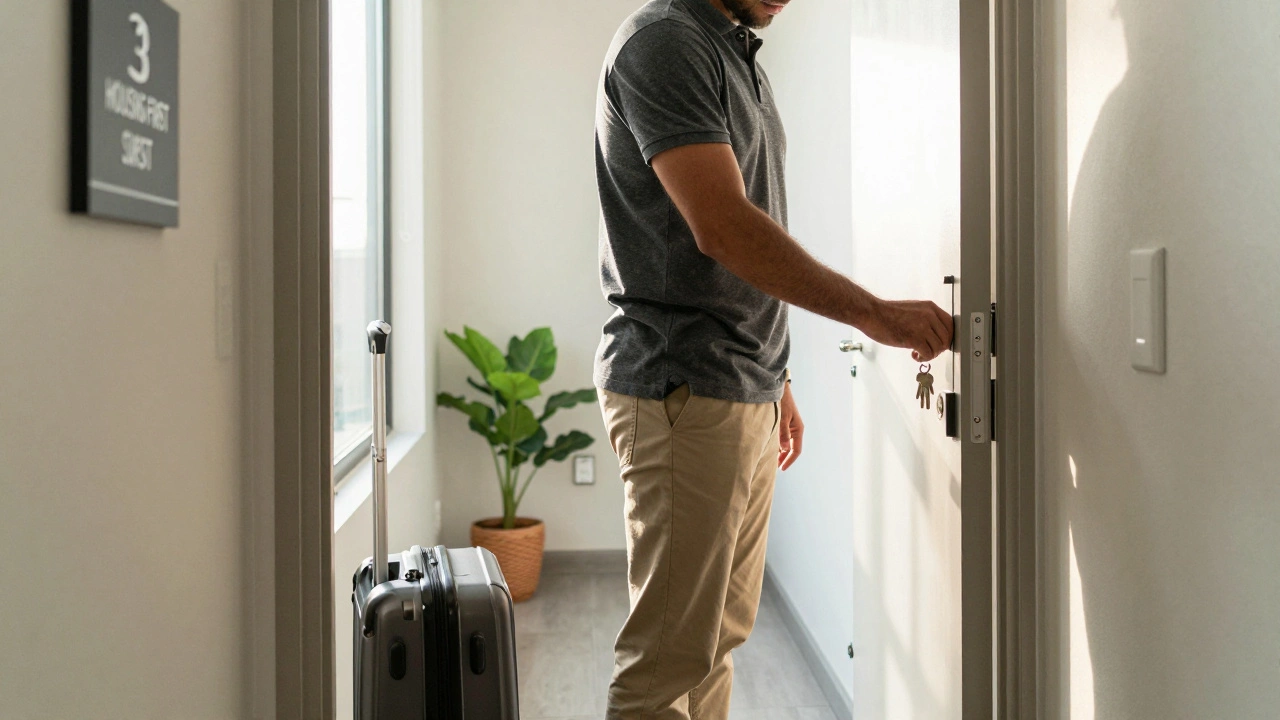
California’s answer? Housing First. Cities like San Francisco and San Diego now prioritize moving people directly into apartments, with support services attached. No sobriety requirements. No waiting lists. Just keys and case workers. The results? A 2023 study from UCLA found that 72% of people placed in Housing First units stayed housed after 12 months. That’s higher than any other state. But the system is overwhelmed. There aren’t enough apartments, and the wait for services can take months.
Utah: The State That Cut Homelessness by Half
In 2005, Utah had a homelessness problem too. Then they tried something radical: they stopped trying to fix people before giving them homes. They launched a state-funded Housing First program, partnered with nonprofits, and rented apartments using federal HUD vouchers. They didn’t wait for someone to get clean or get a job first. They gave them stability, then added counseling, job training, and medical care.
By 2015, Utah had reduced chronic homelessness by 91%. Even today, over a decade later, the state maintains a 75% retention rate for those placed in permanent housing. Utah doesn’t spend the most per person-but it spends smarter. For every $10 spent on housing and services, the state saves $13 in emergency room visits, jail stays, and shelter costs. It’s not magic. It’s math.
Minnesota: Strong Safety Nets and Local Control
Minnesota doesn’t have the biggest homeless population, but it has one of the most effective systems. Minneapolis and St. Paul run coordinated entry systems-meaning no one falls through the cracks. If you’re homeless, you call one number. One worker assesses your needs. Then they connect you to the right program: emergency shelter, rental help, mental health care, or permanent housing.
The state also funds rental assistance programs that cover up to 80% of rent for low-income families. In 2024, over 12,000 households received this help. The result? Homelessness in Minnesota dropped 18% between 2020 and 2024, even as other states saw increases. What makes Minnesota work? Local governments have real power to design programs. No state bureaucracy gets in the way. And funding is stable-no yearly political battles over cuts.
Washington: Coordinated, Tech-Driven, and Fast
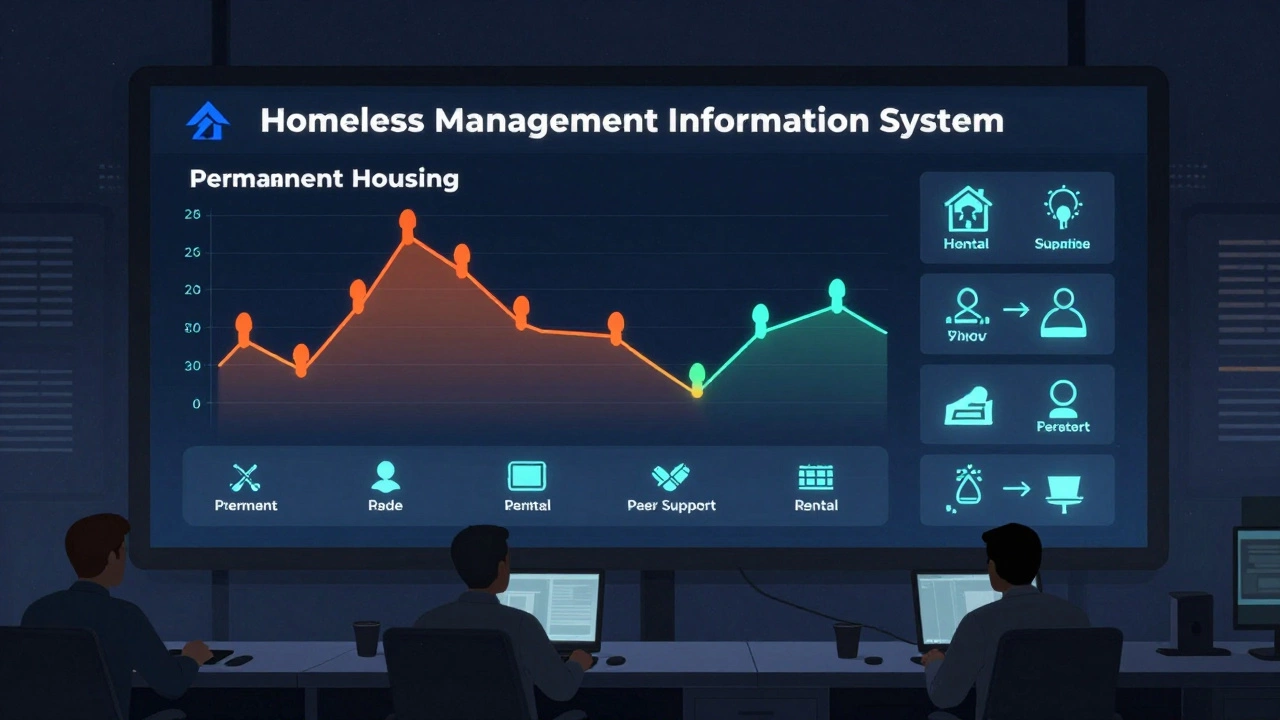
Washington State uses a digital platform called Homeless Management Information System (HMIS) to track every person experiencing homelessness. That means caseworkers know who’s been in shelters, who’s on a waitlist, who needs mental health support, and who’s ready for housing. No duplicate services. No lost files.
They also have a statewide emergency housing fund. In 2024, it helped over 15,000 people avoid eviction or move out of shelters. Seattle’s Rapid Rehousing program places people in apartments within 30 days of being assessed. And they don’t just drop keys. They assign peer support specialists-people who’ve been homeless themselves-to help with daily life: paying bills, using public transit, finding a doctor.
Washington’s success isn’t flashy. It’s quiet. It’s in the numbers: a 22% drop in homelessness from 2020 to 2024, even during inflation and rising rents.
Florida and Texas: The Hard Reality
Not every state is moving forward. Florida and Texas have seen homelessness rise by over 30% since 2020. Why? Both states have banned tent cities, cracked down on panhandling, and cut funding for shelters. Instead of housing, they spend millions on police sweeps and temporary motel vouchers.
In Florida, a 2024 audit found that 60% of people placed in motel vouchers were moved out after just 14 days-with no follow-up. In Texas, shelters are often full, and the state doesn’t fund permanent housing programs at all. The result? More people sleeping in cars, under bridges, or in parks. The problem isn’t that they don’t have money-it’s that they’re spending it on enforcement, not solutions.
What Makes a State Actually Help?
It’s not about how much money a state has. It’s about how it uses what it has. The best states share five traits:
- Housing First is standard-no prerequisites, no waiting.
- They track people-digital systems know who needs what, when.
- They fund rental assistance-not just shelters, but long-term housing.
- They involve people with lived experience-peer workers, not just bureaucrats.
- They measure outcomes-not how many meals they served, but how many stayed housed.
States that ignore these rules end up spending more, helping fewer, and creating more suffering.
Why Shelters Alone Don’t Work
Shelters are necessary-but they’re not the goal. A cot in a crowded room doesn’t fix trauma, addiction, or mental illness. It just moves the problem indoors. Studies show that people who stay in shelters longer than 90 days are far less likely to find permanent housing. Why? The environment is chaotic. No privacy. No quiet. No stability.
Real help means a door you can lock. A place to keep your things. A mailbox. A routine. That’s what housing provides. Shelters are a bridge-not the destination.
What You Can Do, Even If You’re Not in Utah or Minnesota
You don’t need to live in a state with perfect policies to make a difference. Support local organizations that focus on permanent housing, not just emergency beds. Donate to groups that help people pay first and last month’s rent. Volunteer with peer support programs. Push your city council to fund Housing First initiatives. Demand transparency: ask how many people actually stay housed after getting help.
Change doesn’t come from pity. It comes from systems that work-and people who refuse to accept broken ones.
What state has the most homeless shelters?
California has the most homeless shelters due to its large unhoused population, but having more shelters doesn’t mean better outcomes. States like Utah and Minnesota have fewer shelters but higher housing placement rates because they focus on moving people into permanent housing, not just temporary beds.
Is Housing First really effective?
Yes. Multiple studies, including those from the U.S. Department of Housing and Urban Development and the Urban Institute, show Housing First programs have a 70-90% success rate in keeping people housed after one year. It works because stability comes first-then comes healing. People don’t need to be ‘ready’ for housing. Housing helps them get ready.
Why do some states refuse to fund Housing First?
Some politicians believe people must earn housing by getting clean or employed first. But evidence shows this approach fails. People can’t get sober or find a job when they’re sleeping outside, stressed, and sick. Housing First works because it removes the biggest barrier: lack of safety and stability. It’s not about giving something for free-it’s about investing in what actually solves the problem.
Can small towns help homeless people too?
Absolutely. Small towns often have lower housing costs, making it easier to rent apartments for people in need. Many rural communities use local nonprofits, faith groups, and county funds to create small-scale Housing First programs. The key is coordination-not scale. One apartment with a case worker can change a life.
What’s the biggest mistake cities make when helping homeless people?
They treat homelessness as a behavior problem instead of a housing problem. Sweeping encampments, banning panhandling, or forcing people into shelters without real support doesn’t solve anything. It just moves people around. The real mistake is believing that punishment or temporary fixes will lead to long-term change. Only stable housing does.
Final Thought: It’s Not About Politics-It’s About Results
The best state for helping homeless people isn’t the one with the biggest budget. It’s the one that gets people into homes and keeps them there. Utah didn’t win because it’s conservative. Minnesota didn’t win because it’s liberal. They won because they listened to data, not ideology. They focused on what works: a roof, a key, and someone who checks in.
If you care about this issue, don’t ask which state is the best. Ask: what’s being done in your community? And how can you help make it better?