Food Banks: Where Hunger Meets Help and How They Really Work
When you hear food banks, local nonprofit organizations that collect and distribute food to people in need. Also known as food pantries, they’re not just warehouses full of canned goods—they’re the frontline in the fight against food insecurity, a silent crisis affecting millions even in wealthy countries. These places don’t wait for big donations or government programs to kick in—they show up every day, often run by volunteers who know their neighbors’ names.
Charitable organizations that run food banks don’t just hand out meals. They work with food assistance networks, local farms, grocery stores, and even schools to rescue surplus food before it goes to waste. Some get federal aid, others rely entirely on community drives. The real magic? They turn one person’s extra cans into a family’s dinner. And they don’t ask for proof of income, ID, or a sob story—just need. That’s why they’re often the first, and sometimes only, safety net for single parents, seniors on fixed incomes, and workers stuck between paychecks.
Food banks don’t operate in isolation. They’re tied to hunger relief systems that include meal programs, mobile pantries, and school breakfast initiatives. Many of the same groups running food banks also help people access SNAP benefits, find housing, or connect with mental health services. It’s not just about calories—it’s about dignity, stability, and breaking cycles of poverty. You won’t find flashy galas or billionaire donors behind most of them. Instead, you’ll find church basements, donated trucks, and volunteers sorting donations at 6 a.m. because someone’s kid is hungry today.
What you’ll find in the posts below isn’t just theory—it’s real stories, real data, and real choices. You’ll see how some charities feed the most people globally, how volunteering at a food bank can build skills that land jobs, and how even small community efforts can shift the needle on hunger. You’ll also see what happens when funding dries up, when volunteers disappear, and how people are finding smarter ways to fight hunger without relying on charity alone. This isn’t about feeling guilty for eating. It’s about understanding who’s still going without—and what you can actually do about it.
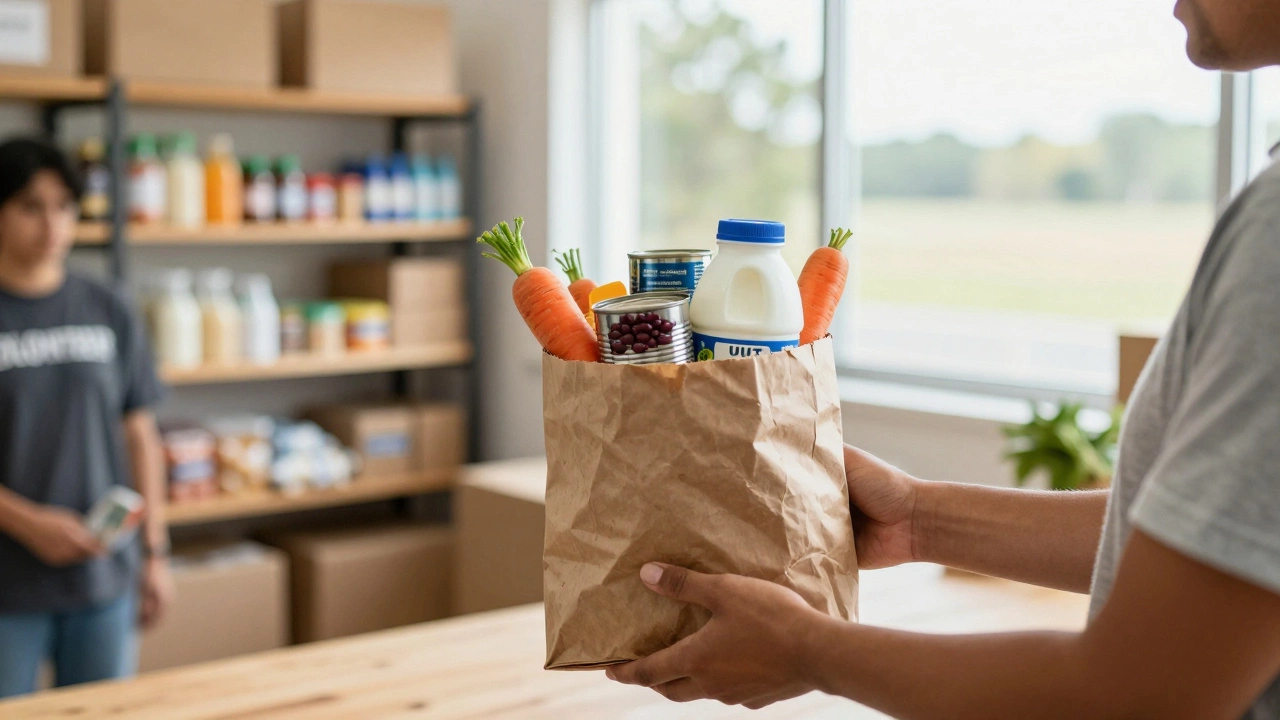
How to eat when you're broke? Practical food bank tips and low-cost meals in New Zealand
When money runs out, eating doesn't have to mean going hungry. Learn how to use food banks, cheap staples, and free meals in New Zealand to stay nourished without spending a cent.
Detail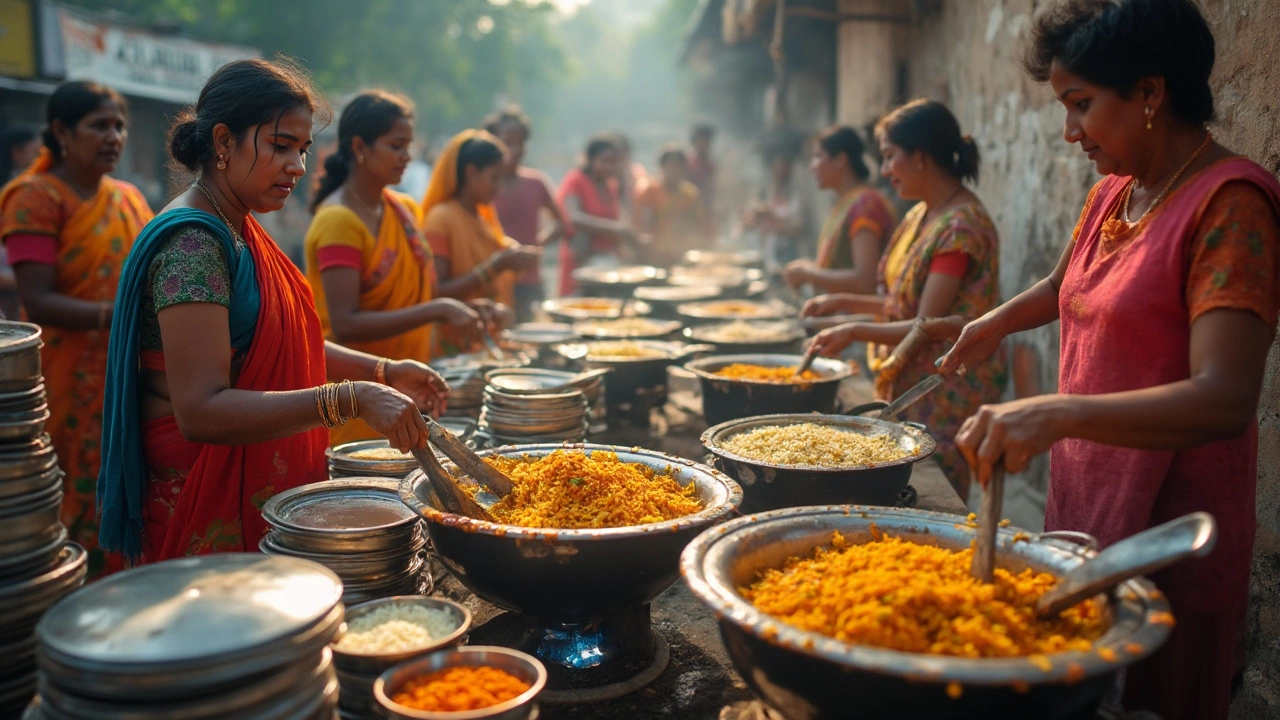
Cheapest Food That Can Feed a Crowd: Food Bank Essentials
Wondering how to fill lots of plates on a tight budget? This article covers the absolute cheapest foods that can stretch your dollar and feed a big group. You'll find practical tips, real-life food bank wisdom, and creative ideas that go beyond just beans and rice. Whether you're stocking up for a community dinner, helping out at a food bank, or getting through a tough month at home, this guide breaks down what actually works. Learn how to make hearty, affordable meals that leave everyone satisfied.
Detail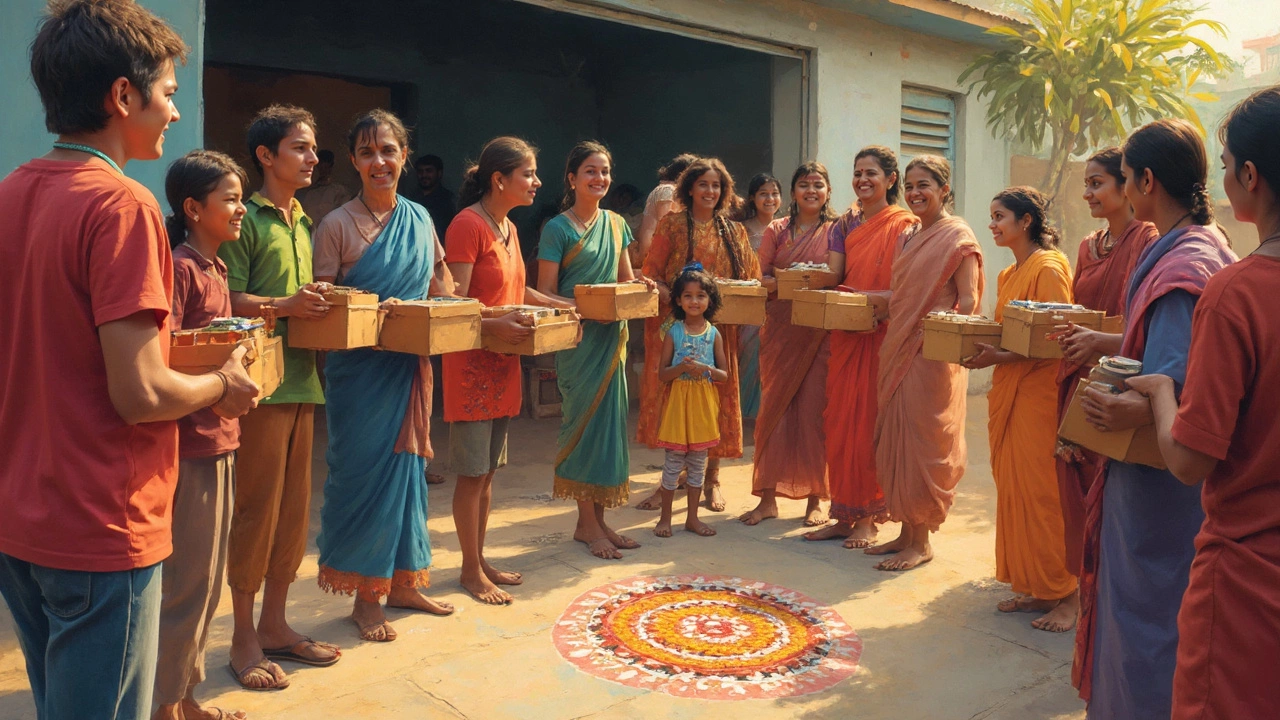
Virginia Food Box Program: A Lifeline for Families in Need
The Virginia Food Box Program offers vital support to families facing food insecurity. It aims to ensure nutritious meals are accessible to those in need, providing a safety net during tough times. This program connects communities with resources, distributing food boxes through local partners and volunteers. Learn about how it operates, who it serves, and its impact on the community.
DetailRelated Posts