Environmental Groups: Who They Are, What They Do, and How to Join
When you hear environmental groups, organizations dedicated to protecting nature, fighting pollution, and pushing for climate action. Also known as green organizations, they’re the ones filing lawsuits, organizing protests, restoring wetlands, and pressuring corporations to clean up. These aren’t just nonprofits—they’re on the front lines of survival. From local river cleanups to global campaigns against oil drilling, environmental groups turn concern into action.
Many of these groups fall into clear types. Greenpeace, a direct-action organization known for bold protests and media-savvy campaigns, uses civil disobedience to force attention on issues like Arctic drilling. World Wildlife Fund, a science-based conservation group focused on protecting species and habitats, works with governments and businesses to create protected areas and sustainable practices. Then there are smaller, local conservation groups, community-led teams that tackle trash, tree planting, or wetland restoration right where you live. These aren’t just branches of big names—they’re often the real heartbeat of change.
Climate change is the environmental problem that ties them all together. It’s not just about polar bears or rising seas—it’s about food, water, jobs, and health. Every wildfire, flood, or heatwave makes these groups more urgent. But you don’t need to be a scientist or activist to help. Many environmental groups need volunteers to count birds, call lawmakers, sort recycling, or even just show up at a rally. Some run training programs. Others offer simple ways to donate or spread the word.
What you’ll find below isn’t just a list of names. It’s a real look at how these groups operate—their wins, their struggles, and how everyday people like you make their work possible. You’ll see who’s actually moving the needle, what tactics work, and how to pick a group that matches your skills and values. No fluff. Just what works.
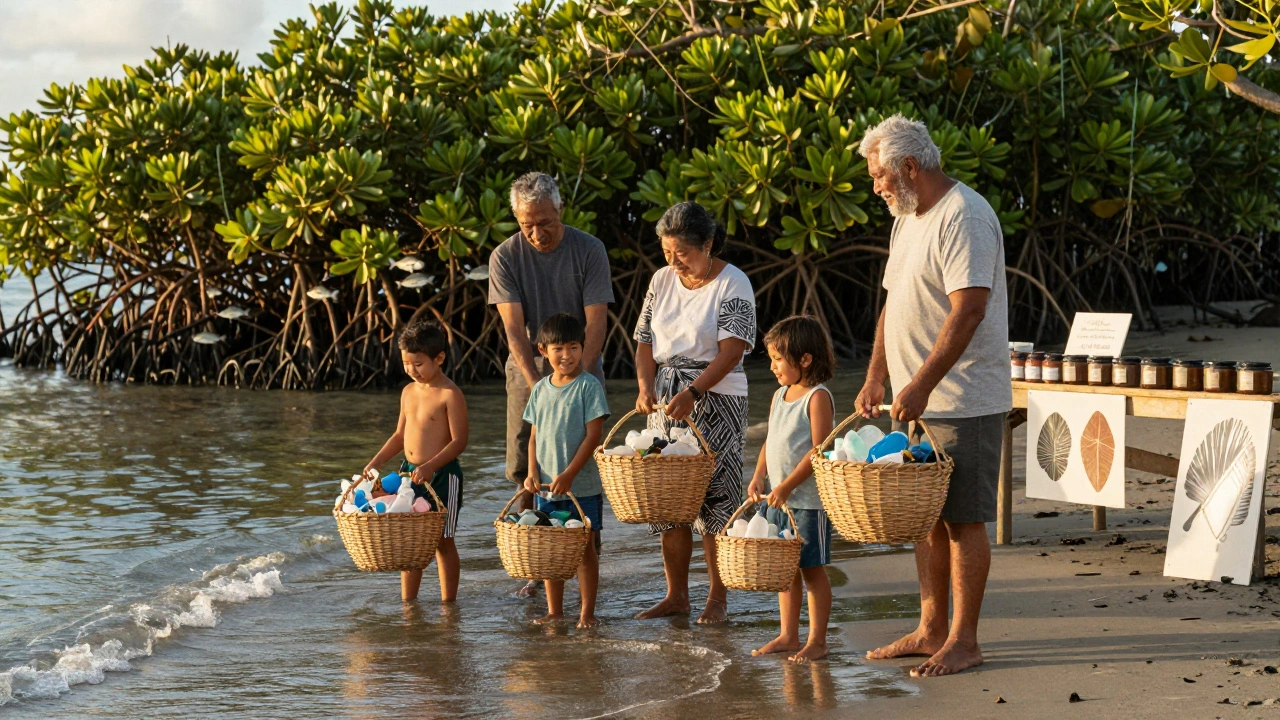
What Are 5 Real-World Examples of Environmental Groups Making a Difference?
Five real community-based environmental groups making lasting change without big budgets-restoring ecosystems, influencing policy, and inspiring local action across New Zealand, Bangladesh, South Africa, Oregon, and Canada.
Detail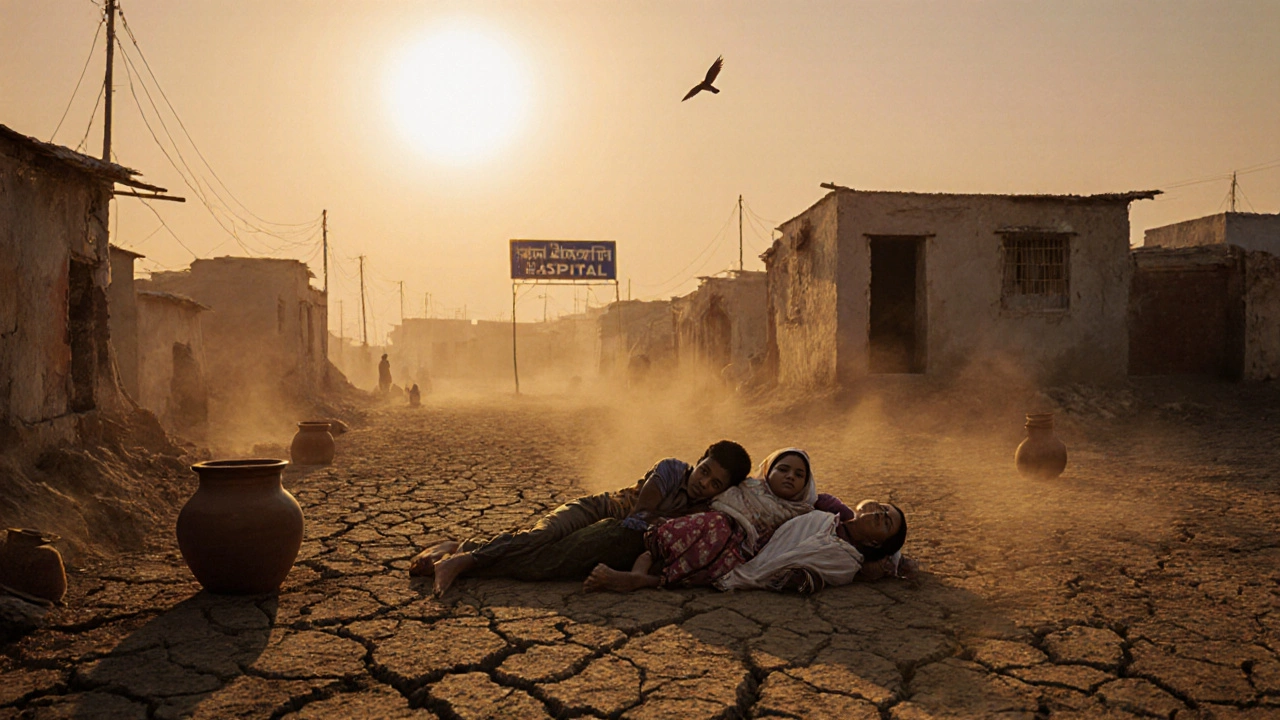
What Is the Deadliest Threat to Humans? The Real Killer Behind Climate Change
Climate change is the deadliest threat to humans, causing tens of thousands of deaths each year through heat, floods, famine, and displacement. Environmental groups are fighting to stop it before it's too late.
Detail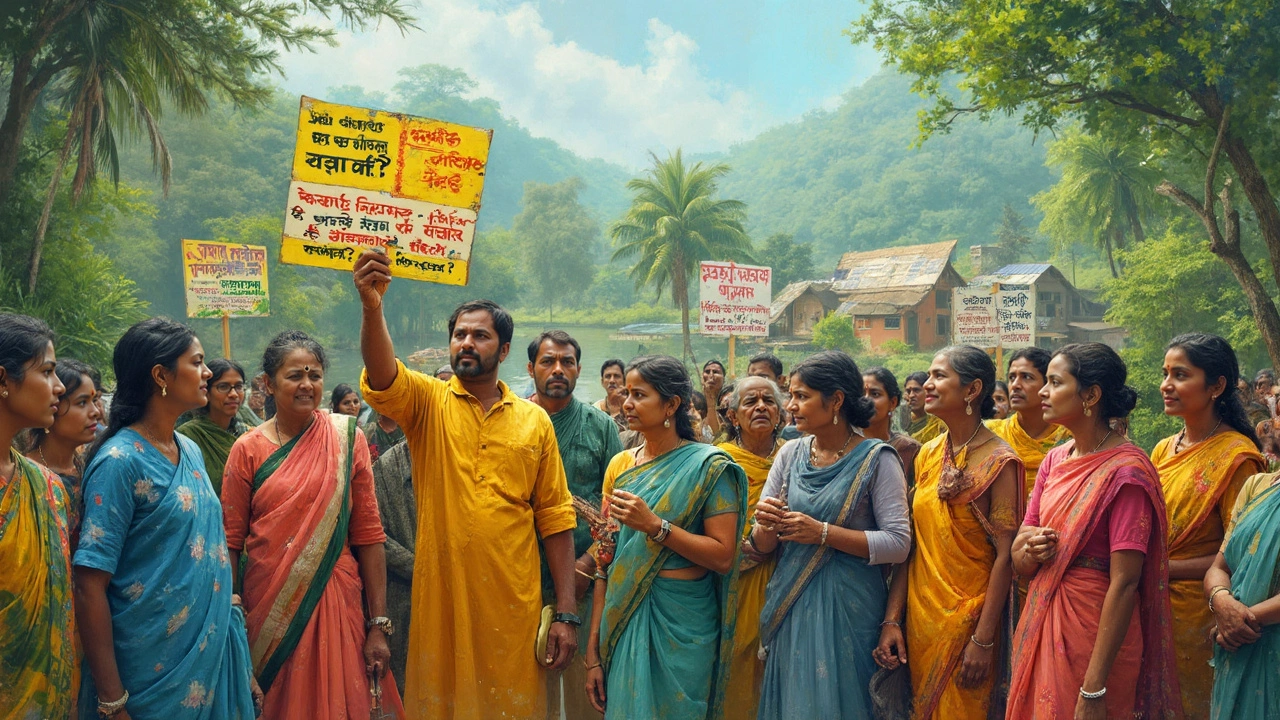
Major Roles of Environmental Groups: How They Make a Difference
Environmental groups play a vital role in advocating for nature through various impactful ways. They focus on conservation, raising awareness, and promoting sustainability to protect our planet. These groups engage in grassroots activism, influence policy change, and educate the public. Their efforts are crucial in addressing challenges like climate change and habitat destruction. Discover how these organizations are making a real difference for the environment.
Detail
US Environmental Groups: Who's Making a Difference?
The US is home to a diverse array of environmental interest groups working tirelessly to protect the planet. These organizations range from grassroots movements to national powerhouses, each playing a crucial role in conserving natural habitats and promoting sustainability. Dive into who these groups are, what they're doing, and how they're making a difference. Discover how you can get involved and support initiatives that battle climate change and environmental degradation.
Detail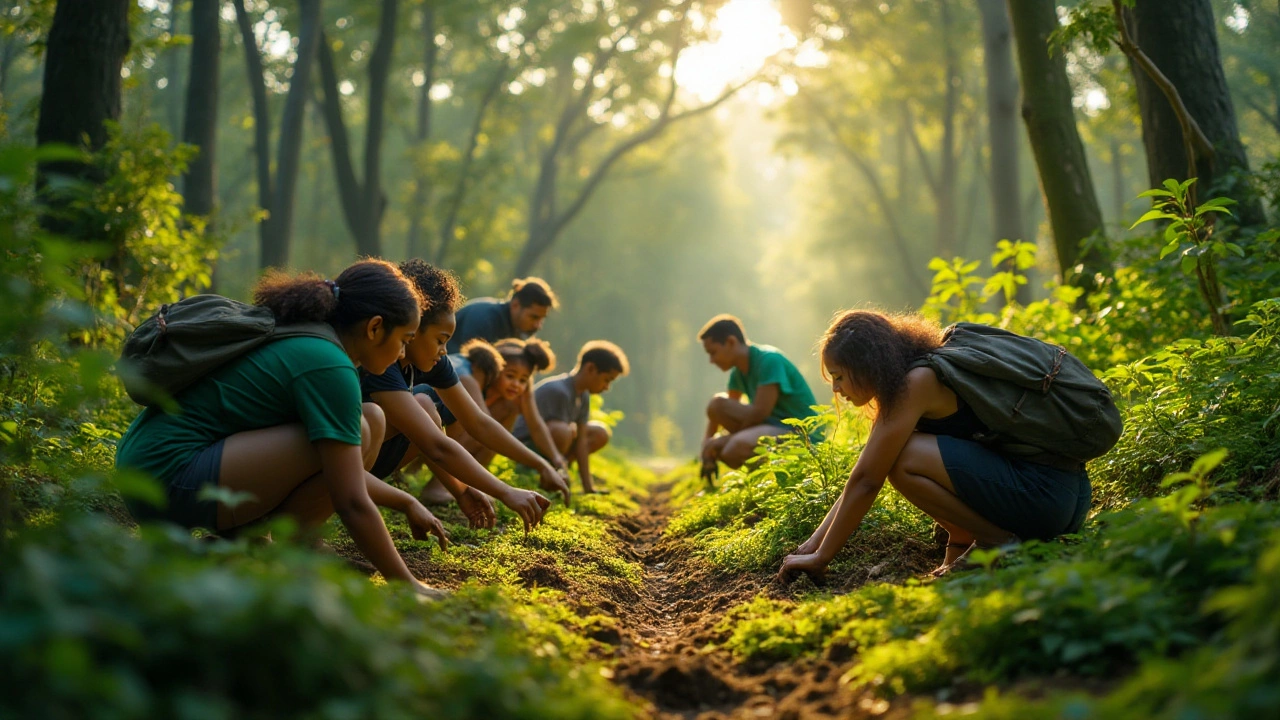
The Most Influential Environmental Charity: A Closer Look
Investigating the most renowned environmental charity, this article delves into their impact and global influence. Learn about their innovative approaches and inspiring initiatives. Discover how these efforts align with pressing environmental issues today. Uncover tips on how to support such causes effectively. This exploration is a journey into the heart of environmental philanthropy.
DetailRelated Posts