
New Zealand Charity Setup Roadmap
📄 1. Define Structure & Purpose
Choose your legal vehicle (Trust, Society, or Company) and confirm charitable status.
📝 2. Prepare Governing Documents
Draft your Trust Deed or Constitution outlining purposes and decision-making.
💻 3. Register with Charities Services
Create an account, fill the application, upload documents, and submit.
💰 4. Tax & IRD Registration
Apply for Income Tax Exemption and Gift Aid status with Inland Revenue.
📊 5. Governance & Compliance
Set up financial records, file annual returns, and maintain fiduciary duties.
Setup Plan Ready!
You have mapped out your path to establishing a compliant charity in New Zealand.
You have a cause close to your heart. Maybe it’s feeding the hungry, protecting local wildlife, or supporting youth education. You’ve got the passion, but now you need the structure. Setting up a charity fund isn’t just about opening a bank account; it’s about building a legal entity that can receive donations, claim tax exemptions, and operate with public trust. In New Zealand, this process is clearer than ever, thanks to the streamlined registration system managed by the Charities Services.
However, many well-meaning founders stumble at the first hurdle because they confuse a casual fundraising page with a registered charitable entity. Without proper setup, you might face tax issues, governance headaches, or worse-losing donor confidence. This guide walks you through exactly how to establish a compliant, effective charity fund in New Zealand, whether you choose a charitable trust, an incorporated society, or a company limited by guarantee.
Understanding Your Legal Structure Options
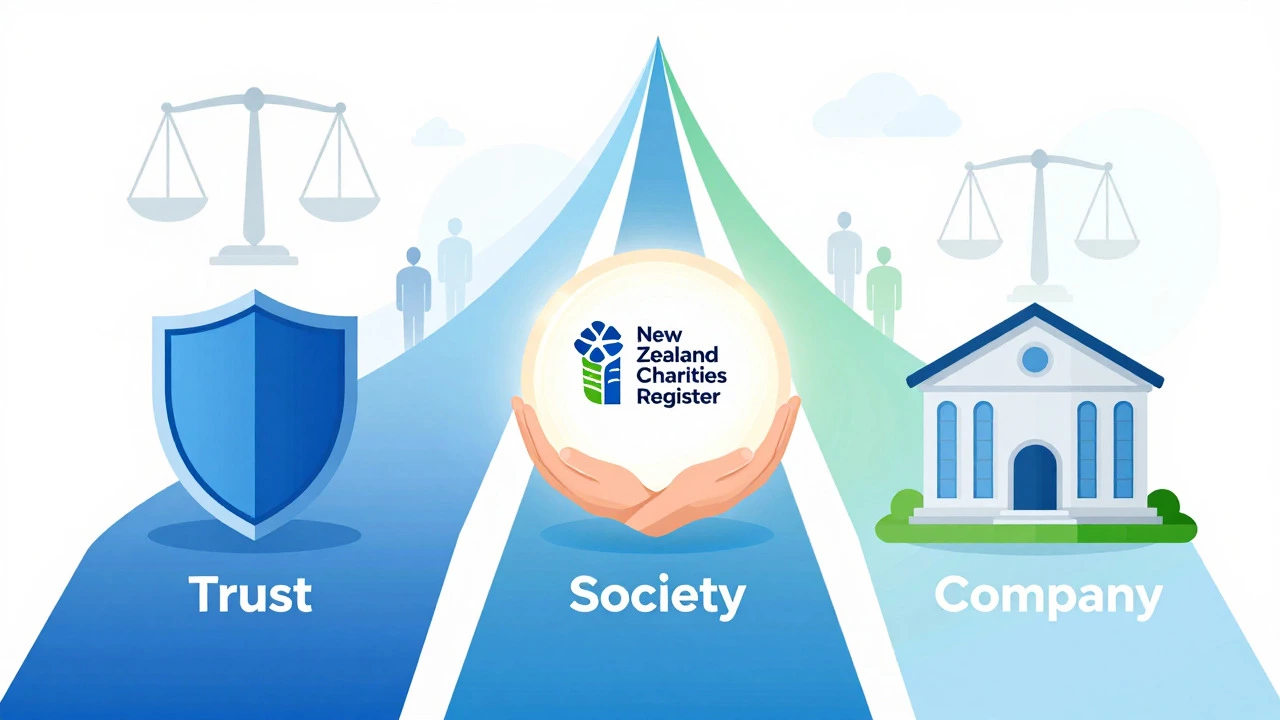
Before you fill out any forms, you need to decide on the legal vehicle for your charity. In New Zealand, there are three primary structures used for charitable purposes. Each has distinct advantages regarding liability, governance, and administrative burden.
| Structure Type | Liability Protection | Governance Complexity | Best For |
|---|---|---|---|
| Charitable Trust | High (Trustees act as fiduciaries) | Low to Medium | Small groups, specific projects, family-led initiatives |
| Incorporated Society | Medium (Separate legal person) | Medium | Member-based organizations, clubs, community groups |
| Company Limited by Guarantee | High | High | Larger NGOs, international operations, complex funding models |
The Charitable Trust is often the most popular choice for new charity funds because it is relatively simple to set up. It involves creating a trust deed that outlines how the assets will be managed for charitable purposes. Unlike a company, it doesn’t require annual general meetings in the same formal way, though good governance practices still apply. If your group is small and focused on a single mission, a trust is usually the fastest route to legitimacy.
Determining Charitable Status Under NZ Law
Not every good deed qualifies as a "charity" in the eyes of the law. To register with the NZ Charities Register, your organization must meet two strict criteria: it must have exclusively charitable purposes, and it must provide a public benefit.
New Zealand law recognizes four main heads of charity, derived from the historic Pemsel case:
- Relief of poverty: Helping those who lack sufficient resources to live decently.
- Advancement of education: Providing learning opportunities, scholarships, or research facilities.
- Advancement of religion: Promoting spiritual development through worship or teaching.
- Other purposes beneficial to the community: This is a broad category that includes health, environmental conservation, animal welfare, and cultural preservation.
If your proposed fund falls outside these categories, you may not qualify for registration. For example, a social club that raises money for its own members’ trips is not charitable. However, if that same club raises money to build a playground for the wider community, it likely is. The key test is always: does the public benefit, or just a private group?
Step-by-Step Registration Process
Once you’ve chosen your structure and confirmed your charitable purpose, it’s time to register. The process is digital and handled entirely through the Charities Services online portal. Here is what you need to do:
- Prepare your governing document: For a trust, this is the Trust Deed. For a society, it’s the Constitution. These documents must clearly state your charitable purposes and outline how decisions are made. You can find templates on the Charities Services website.
- Create an account: Go to the Charities Services website and create a secure login. You’ll need a verified email address.
- Fill out the application: The form asks for details about your trustees (or directors), your activities, your expected income, and your governance policies. Be honest and detailed. Vague answers lead to delays.
- Upload supporting documents: Attach your signed trust deed or constitution. If you already have a bank account in the name of the unincorporated group, include proof of that.
- Submit and wait: Processing times vary, but the Charities Services aims to review applications within 15 working days if everything is in order. They may ask for clarification, so keep an eye on your inbox.
Upon approval, you’ll receive a unique charity number. This number is your identity in the nonprofit sector. Display it on your website, donation pages, and annual reports to build credibility with donors.
Tax Implications and IRD Registration
Registration with the Charities Services is separate from tax registration with Inland Revenue Department (IRD). While being on the Charities Register helps prove your status, you still need to apply for tax exemptions separately.
There are two main types of tax benefits for charities in New Zealand:
- Income Tax Exemption: Most registered charities are exempt from paying income tax on their surplus revenue. You must apply for this via the IRD website. Not all income is exempt-for instance, income from unrelated business activities (like renting out property) might still be taxable unless it directly supports your charitable purpose.
- Gift Aid Status: This allows donors to claim a tax credit for their donations. Only certain charities qualify for Gift Aid, typically those with higher levels of transparency and governance. If you plan to rely heavily on individual donations, applying for Gift Aid status can significantly boost your fundraising potential.
Don’t forget to register for GST if your annual turnover exceeds $60,000. Many charities opt to register voluntarily even below this threshold to reclaim input tax on expenses like office supplies or event costs.

Governance and Compliance Requirements
Setting up the fund is only the beginning. Maintaining it requires ongoing diligence. As a trustee of a charitable trust, you owe fiduciary duties to the charity. This means acting in good faith, avoiding conflicts of interest, and ensuring financial prudence.
Key compliance tasks include:
- Filing Annual Returns: All registered charities must file an annual return with the Charities Services. Smaller charities (those with less than $150,000 in annual revenue) can file a simplified version. Larger charities must submit full audited or independently reviewed financial statements.
- Maintaining Financial Records: Keep clear records of all income and expenses. Use accounting software tailored for nonprofits to track grants, donations, and program costs separately.
- Updating Changes: If your trustees change, your address moves, or your charitable purposes shift, you must update the Charities Register within 30 days.
Poor governance is the leading cause of deregistration. Donors are increasingly savvy; they check the Charities Register before giving. A clean record builds trust. A messy one scares people away.
Fundraising Strategies for New Charity Funds
With your legal foundation in place, you can start raising money. But remember, fundraising is a skill, not just a request. Start small and local. Community events, crowdfunding campaigns, and partnerships with local businesses are low-risk ways to generate initial capital.
Consider applying for government grants. Organizations like Community Trusts across New Zealand offer grants for community-focused projects. Each region has its own trust (e.g., Tāmaki Makaurau Community Trust in Auckland, Wellington Community Trust). These trusts often prefer applicants who are already registered charities, highlighting the importance of completing the steps above.
Transparency is your best marketing tool. Publish regular updates showing exactly how funds are used. Donors want to see impact, not just hear promises. Share stories, photos, and data. When people see their contribution making a tangible difference, they become repeat supporters.
How long does it take to register a charity in New Zealand?
The Charities Services aims to process complete applications within 15 working days. However, if your application requires additional information or clarification, it could take longer. Ensure your governing documents are clear and your purpose aligns strictly with charitable definitions to avoid delays.
Do I need a lawyer to set up a charitable trust?
It is not legally required to hire a lawyer, but it is highly recommended. The Charities Services provides free templates for trust deeds and constitutions. Using these templates ensures your document meets legal standards. If your charity has complex assets or international operations, consulting a legal professional can prevent future issues.
What is the difference between a charity and a non-profit?
All charities are non-profits, but not all non-profits are charities. A non-profit simply means profits are reinvested into the organization rather than distributed to owners. A charity must specifically serve a public benefit under one of the four recognized heads of charity (poverty relief, education, religion, or other community benefits) and must register with the Charities Services.
Can I run a charity fund without registering?
Yes, you can operate as an unincorporated association, but you lose significant benefits. You won’t have a separate legal identity, meaning trustees could be personally liable for debts. You also cannot easily open a dedicated bank account, apply for most grants, or claim tax exemptions. Registration protects you and enhances credibility.
How do I get Gift Aid status?
You must first be registered on the NZ Charities Register. Then, apply to the Inland Revenue Department (IRD) for Gift Aid status. IRD assesses your governance, transparency, and operational history. New charities may need to demonstrate a track record of responsible management before qualifying.