
Support Network Pathway Finder
Answer three quick questions to discover your ideal support pathway.
What is your primary need right now?
Your Personalized Support Pathway
Based on your answers, here's your recommended approach to building a meaningful support network.
Recommended Network Type
Loading...Loading...
Best Starting Strategy
- Loading...
Your First 3 Action Steps
- Loading...
You don't have to figure everything out alone. Yet, when life gets heavy-whether you're dealing with grief, a new diagnosis, or just the crushing weight of isolation-knowing where to turn can feel impossible. The internet is full of advice, but scrolling through forums doesn't replace a hug from someone who actually understands your specific situation. Finding a real, tangible support network isn't about collecting friends; it's about building a safety net that catches you when you fall.
In 2026, we are more connected digitally than ever, yet loneliness remains a public health crisis. The good news? There are structured ways to find people who get it. This guide cuts through the noise and gives you actionable steps to build a circle of support, starting right in your neighborhood.
1. Start With Your 'Why' and Define Your Needs
Before you join any group, pause and ask yourself what kind of support you need. A support network isn't one-size-fits-all. You might need emotional validation, practical advice, or simply distraction from your problems. Identifying this helps you choose the right environment.
- Emotional Support: You need someone to listen without judging. Think peer support groups for grief, anxiety, or chronic illness.
- Practical Advice: You need solutions. Maybe you're navigating a new city, learning a trade, or managing a complex medical condition. Look for mentorship programs or specialized hobby groups.
- Social Connection: You just want to belong. Book clubs, sports teams, or volunteer organizations fit here.
Being specific saves time. If you're looking for empathy after a loss, joining a competitive running club might not be the first step. Match the venue to the need.
2. Tap Into Local Community Hubs
Your physical location is your biggest asset. In places like Wellington, New Zealand, or anywhere else, community centers act as the heartbeat of local connection. These spaces host regular events designed specifically to bring neighbors together.
Start by visiting your local library or community center website. They often list free workshops, social mixers, and interest-based groups. Libraries are particularly powerful because they are low-pressure environments. You can attend a reading group or a tech workshop without feeling like you're 'networking.' It feels natural. Over time, these casual interactions build into genuine relationships.
If you live in an urban area, check for 'third places'-spots that aren't work or home, like cafes with community boards, co-working spaces with open hours, or parks with organized walking groups. Showing up consistently is key. People remember faces. Become a regular, and doors will open.
3. Leverage Digital Tools for Real-World Meetings
Technology should bridge the gap, not widen it. Use apps and platforms that prioritize face-to-face interaction. In 2026, several tools make this easier:
- Meetup.com: Still the gold standard for finding niche groups. Search for terms like "introverts," "new parents," or "mental health awareness" in your city.
- Nextdoor: Great for hyper-local connections. Post about looking for a walking buddy or a coffee chat. Neighbors are often eager to help.
- Facebook Groups: Look for private groups focused on your specific interest or challenge. Many cities have "[City Name] Mums" or "[City Name] Expats" groups that organize offline meetups.
Avoid getting stuck in endless online chats. Set a goal: within two weeks of joining a digital group, attend one in-person event or schedule a video call with another member. Move the relationship off the screen.
4. Explore Specialized Support Groups
Sometimes, general socializing isn't enough. You need people who share your specific experience. Specialized support groups provide a safe space where you don't have to explain the basics. Everyone already knows what it's like.
For mental health challenges, organizations like Mind (UK) or NAMI (USA) offer peer-led support groups. For caregivers, there are respite care networks. For professionals facing burnout, industry-specific associations often have wellness committees.
To find these, search "[your condition/situation] support group near me." Check if they are facilitated by a professional or peer-led. Both have value. Professional groups offer clinical insights, while peer groups offer shared lived experience. Try both if possible.
5. Volunteer to Connect
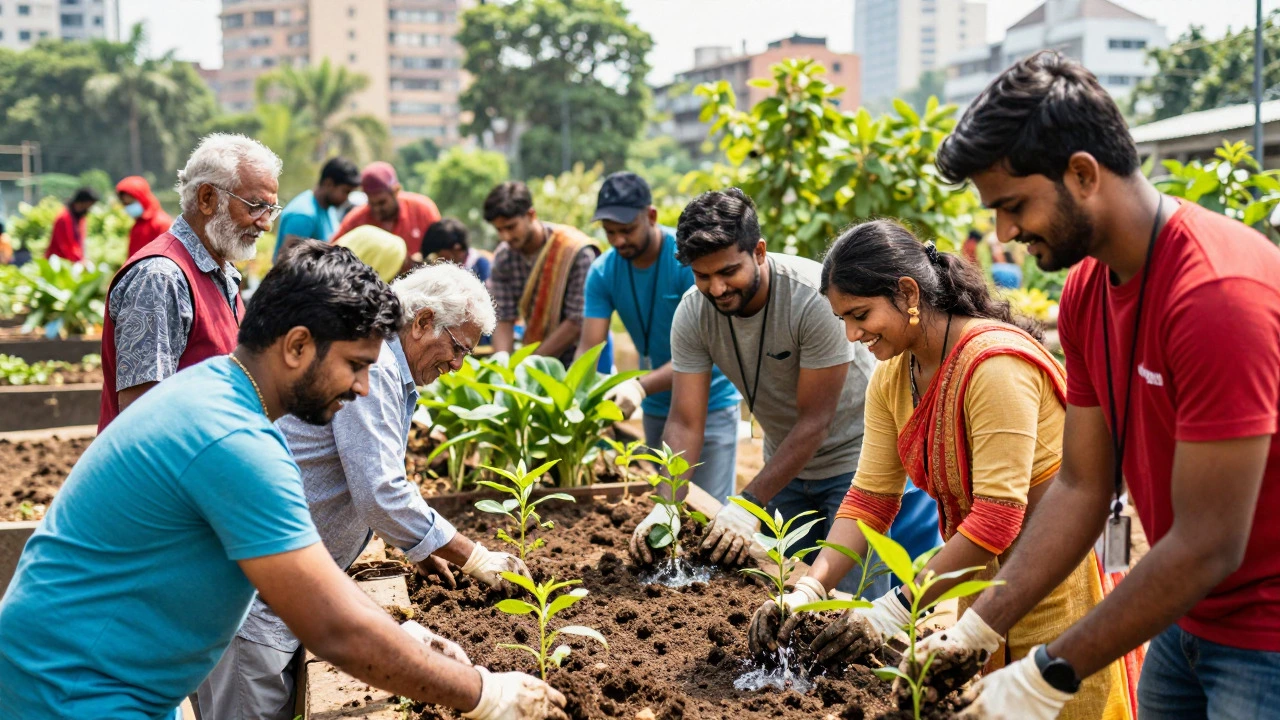
Volunteering is one of the fastest ways to build a support network. Why? Because you're working toward a common goal. Shared purpose creates instant bonds. Plus, helping others boosts your own mental well-being, breaking the cycle of isolation.
Look for roles that match your skills or interests. Love animals? Volunteer at a shelter. Good with kids? Help at a youth program. Concerned about homelessness? Join a food bank distribution team. These environments are filled with compassionate people. You'll naturally connect with fellow volunteers who share your values.
Even a few hours a week makes a difference. Consistency matters. When you show up regularly, you become part of the team. That sense of belonging is the foundation of a strong support network.

6. Reconnect and Reach Out
Don't overlook the people already in your life. Old friends, former colleagues, or distant relatives might be closer than you think. Sometimes, we assume they've moved on, but many are waiting for a sign that you're open to reconnecting.
Send a simple message: "Hey, I've been thinking about you. Would love to catch up over coffee sometime." No pressure, no agenda. Just openness. You might be surprised by who responds. Building a network isn't always about finding new people; sometimes it's about deepening existing ties.
| Type | Best For | Pros | Cons |
|---|---|---|---|
| Local Community Groups | General social connection | Low pressure, diverse people | May lack depth for specific issues |
| Specialized Support Groups | Specific challenges (grief, illness) | Deep understanding, safe space | Can feel intense initially |
| Volunteer Organizations | Purpose-driven connection | Shared values, active engagement | Requires time commitment |
| Digital Platforms | Initial outreach | Easy access, wide reach | Risk of staying online only |
7. Be Patient and Persistent
Building a support network takes time. Don't expect immediate intimacy. Trust is earned through repeated interactions. Show up even when you don't feel like it. Listen more than you speak. Share gradually. Allow relationships to grow organically.
It's okay to try different groups. If one doesn't feel right, move on. You're not failing; you're refining. The right people will recognize your authenticity and welcome you in.
How do I start a support network if I have no friends?
Start small. Join a low-commitment activity like a library book club or a volunteer shift. Focus on showing up consistently rather than forcing conversations. Shared activities reduce awkwardness and create natural topics for discussion. Over time, these interactions build familiarity and trust.
Are online support groups effective?
Online groups can be a great starting point, especially for niche issues or rural areas. However, they work best when used as a bridge to in-person connections. Aim to transition relationships offline when possible, as face-to-face interaction builds deeper empathy and accountability.
What if I'm shy or introverted?
Introverts thrive in structured settings. Choose activities with clear tasks, like volunteering or skill-based workshops, rather than open-ended social mixers. This reduces social pressure and allows you to connect through shared actions. You don't need to be the loudest person in the room to form meaningful bonds.
How long does it take to build a support network?
There's no fixed timeline. Some people find connections in weeks; others take months. Consistency is more important than speed. Aim to engage in one new social activity per month and maintain regular contact with those you meet. Quality matters more than quantity.
Where can I find free support groups?
Check local libraries, community centers, and religious institutions. Many nonprofits offer free peer support sessions. Online directories like Meetup or Nextdoor also list free events. Government health services often provide referrals to subsidized counseling or group therapy options.