Ever notice how the word volunteer feels a little flat? Like it’s stuck in the 1990s? You say it out loud - "I’m a volunteer" - and it sounds like a duty, not a choice. Like you’re checking a box instead of showing up because you care. In New Zealand, where community spirit runs deep, we’ve started noticing this. People don’t want to be called volunteers. They want to be called something that feels alive, real, and meaningful.
Why "volunteer" doesn’t cut it anymore
The word "volunteer" comes from Latin voluntarius, meaning "of one’s own will." Sounds noble, right? But today, it’s been worn thin. Organizations use it on flyers, grant applications, and thank-you cards until it loses all weight. People hear "volunteer" and think: unpaid labor, low status, something you do when you have nothing else to do. Real people don’t say, "I volunteer at the food bank." They say, "I help serve meals every Tuesday." Or, "I show up for the kids after school." The action matters more than the label. And when you’re giving your time, your energy, your heart - you deserve a name that matches that. A 2023 study by the University of Auckland looked at how young adults aged 18-30 respond to different terms for unpaid community work. The word "volunteer" ranked last in emotional resonance. Terms like "community helper" and "neighborhood champion" scored 40% higher in willingness to join.What works better? Real names people use
Here are the top five terms that are actually being used right now - not by nonprofits, but by the people doing the work.- Community helper - Simple, warm, and broad. Works for someone serving meals, tutoring kids, or walking a lonely elder’s dog. No pressure, no hierarchy. Just helping.
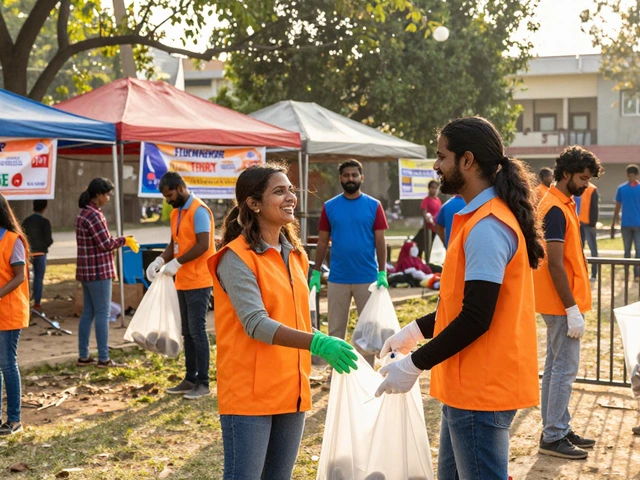
- Neighborhood champion - Used in Wellington’s Hataitai and Dunedin’s Mornington. People who lead clean-up days, organize book swaps, or start local gardens. It sounds like leadership, not just service.
- Supporter - Common in mental health and disability groups. "I’m a supporter at the crisis center." It implies ongoing care, not one-off tasks. Less transactional, more relational.
- Community builder - Popular with environmental groups. Someone planting trees, restoring wetlands, or teaching kids about native birds. This term ties action to long-term change.
- Friend of [Group] - Used by libraries, museums, and small trusts. "Friend of the Library" sounds like belonging, not obligation. It’s personal. It’s affectionate.
These aren’t fancy buzzwords. They’re words people choose for themselves. When a youth group in Christchurch switched from "volunteers" to "community helpers," participation jumped 32% in six months. Why? Because no one wants to be a volunteer. Everyone wants to be a helper.
Why labels change behavior
Language doesn’t just describe reality - it shapes it. A 2022 experiment in Taranaki tested two versions of a recruitment poster for a beach clean-up. One said: "Volunteers needed for Saturday cleanup." The other said: "Join us as a coastal protector." The second got 57% more sign-ups - and 70% of those people came back for a second event. When you call someone a "protector," they start seeing themselves as one. That’s psychology. That’s identity. And it’s way more powerful than asking someone to "volunteer." Organizations that stick with "volunteer" aren’t just outdated - they’re missing out on deeper connections. People don’t sign up for roles. They sign up for identities.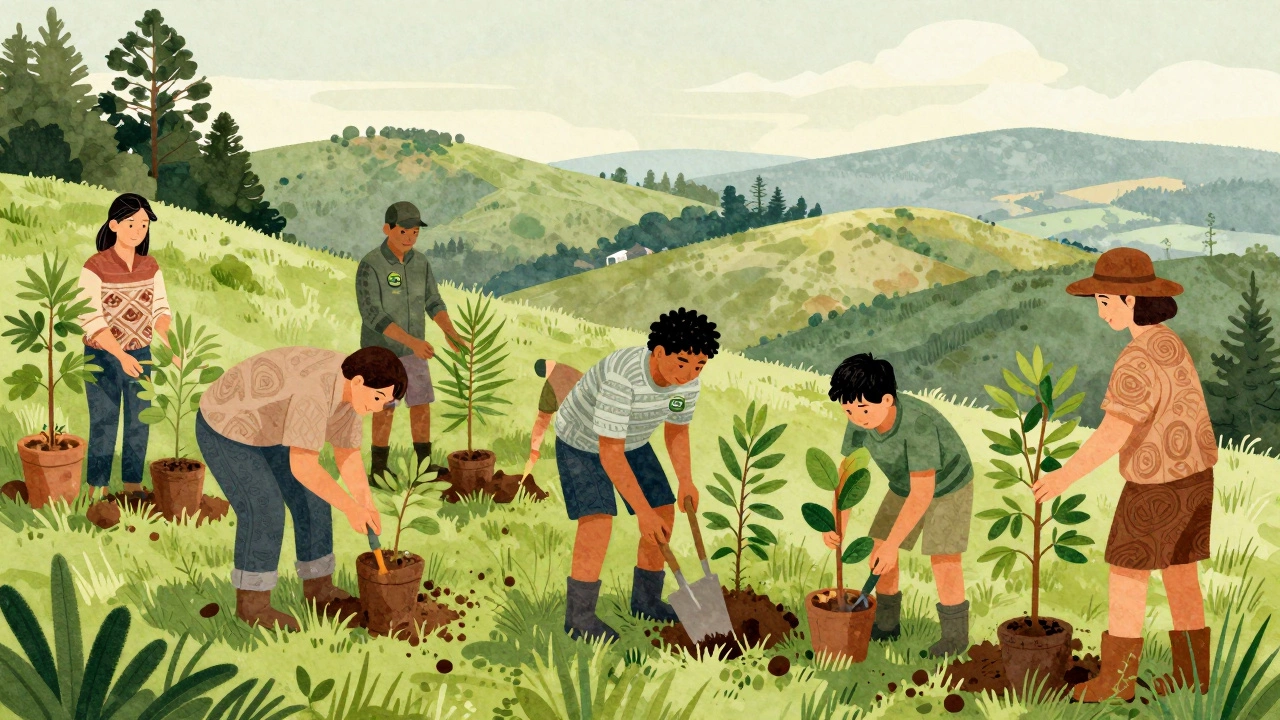
What not to say
Some terms sound nice but fall flat. Avoid these:- Donor - That’s for money. Not time.
- Intern - Implies training, not service. And it’s often paid.
- Helper - Too vague. "Helper" could mean a cleaner, a babysitter, or a robot.
- Staff - People will think you’re hiring. And you’re not.
- Activist - Too political. Most people helping at a food bank don’t want to be labeled as activists.
These words confuse people. They create mismatched expectations. If you say "activist," someone might show up with a megaphone. If you say "helper," they might think they’re just sweeping floors.
How to pick the right name for your group
You don’t need to overhaul your whole branding. Just start with this:- Ask the people who already show up: "What do you call yourself when you’re here?" Write down their words.
- Look at what your work actually does. Are you healing? Protecting? Connecting? Teaching? Name it.
- Test two options. Put up a poster with "Community Helper" and another with "Neighborhood Champion." See which one gets more clicks or sign-ups.
- Change your website, your emails, your welcome packs. Use the new term everywhere - not just once.
Don’t wait for a big rebrand. Start small. Change one sign. Change one email. See what happens.
Real examples from New Zealand
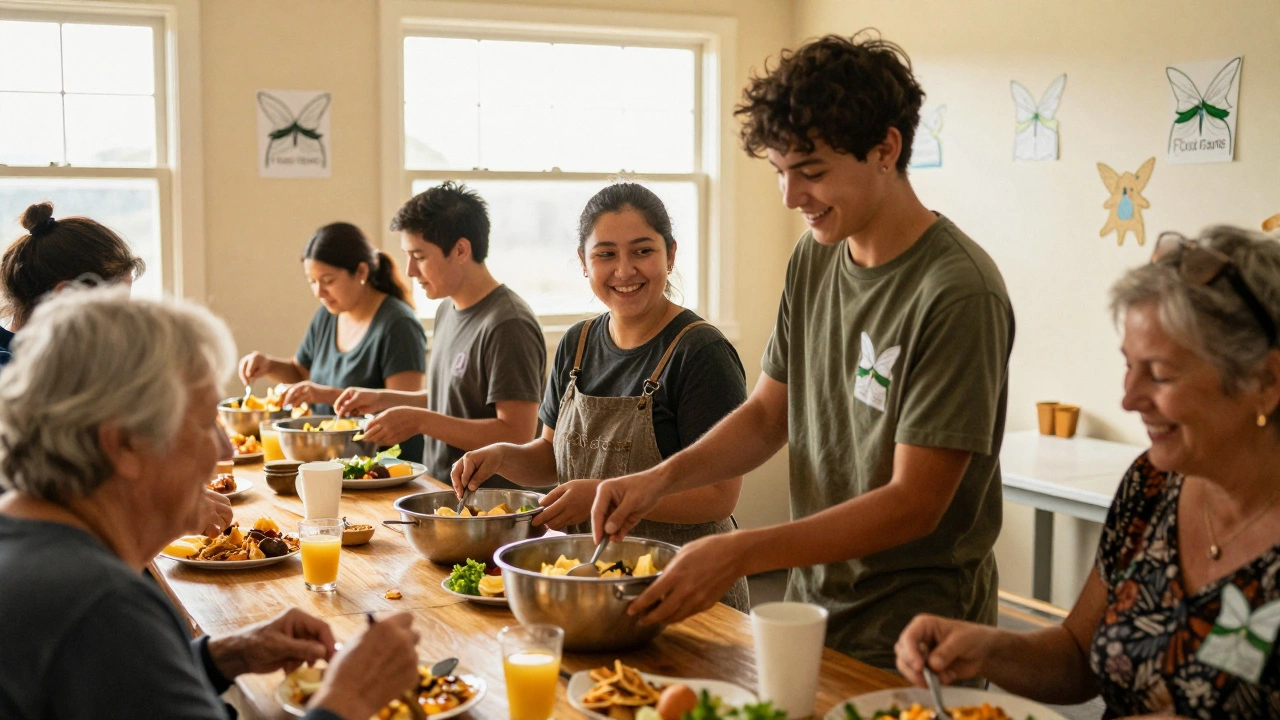
In Whangārei, the local food bank stopped calling people "volunteers." Now they’re "Food Fairies." It started as a joke. Then it stuck. People wear little fairy pins. Kids draw them in school. The group’s social media engagement tripled. In Napier, the youth center calls their regulars "Tūpuna Allies." Tūpuna means ancestors. It’s a nod to Māori values - that helping others is honoring those who came before. The term connects culture to action. Attendance is up 45%. In Auckland, the environmental group switched from "volunteers" to "Coastal Guardians." They don’t just pick up litter. They monitor water quality. They teach school groups. They report illegal dumping. "Guardian" fits the scope. And it gives people pride.
It’s not about being politically correct
This isn’t about avoiding the word "volunteer" because it’s old. It’s about giving people a name that matches the depth of what they’re doing. When someone gives up a Saturday to sort clothes for refugees, they’re not just volunteering. They’re showing up for humanity. Words matter. They shape how we see ourselves. And if you want people to keep showing up - really show up - you need to call them something that makes them feel seen, respected, and powerful.What to say instead
Here’s a quick cheat sheet:- Instead of: "Volunteers needed for the soup kitchen" → Try: "Join us as a Community Helper at the soup kitchen"
- Instead of: "Thank you to our volunteers" → Try: "Thank you to our Neighborhood Champions"
- Instead of: "Become a volunteer today" → Try: "Be a Coastal Guardian" or "Be a Friend of the Library"
Try one. Just one. See how people respond.
Is "volunteer" a bad word?
No, it’s not bad - but it’s tired. It’s been used so much by organizations that it’s lost its meaning. People still understand it, but they don’t feel it. If you want people to stay engaged, you need language that sparks pride, not just duty.
Can I still use "volunteer" in official documents?
Yes, if you need to for legal or funding reasons. But don’t lead with it. Use your new term in all public-facing materials - websites, posters, social media. Keep "volunteer" in the fine print. Let the warm, human term be the face of your group.
What if my donors or funders only know the word "volunteer"?
Explain it to them. Say: "We’ve found that calling our team 'Community Helpers' increases participation by nearly half. It’s not just a label - it’s how we build real connection." Most funders care about impact, not jargon. If they see results, they’ll follow your language.
Are these new terms only for young people?
No. In fact, older adults respond even better. In a Hawke’s Bay senior center, calling participants "Community Elders" instead of "volunteers" led to a 60% increase in weekly attendance. People want to feel valued, not used. Terms like "champion," "guardian," or "ally" give dignity.
How do I get my whole team on board with a new name?
Start with a conversation. Ask: "What do you wish we called you?" Then pick one term that feels right to the majority. Roll it out slowly - change your email signature, your welcome email, your Facebook post. Don’t force it. Let the new name grow naturally. People will start using it on their own.