Community Outreach Strategy Audit
Analyzing...
Please wait.
Recommendation:
You’ve probably heard the term community outreach thrown around in board meetings, grant proposals, and volunteer orientations. It sounds noble, right? But if you’re a program manager or a nonprofit director, you know that “outreach” can easily become a buzzword for sending out flyers that end up in the recycling bin. So, what is the actual goal here? Is it just about getting more bodies through the door?
The short answer is no. The real goal of community outreach isn’t just visibility; it’s reciprocity. It’s about breaking down the walls between an organization and the people it serves to create a two-way street of trust, resources, and shared power. When done correctly, outreach transforms passive recipients into active partners.
Why do most community outreach efforts fail?
Most outreach fails because it is transactional rather than relational. Organizations often treat outreach as a marketing campaign-broadcasting information without listening. This approach ignores the existing social fabric of the community, leading to distrust and low participation rates.
The Core Objective: Building Trust, Not Just Numbers
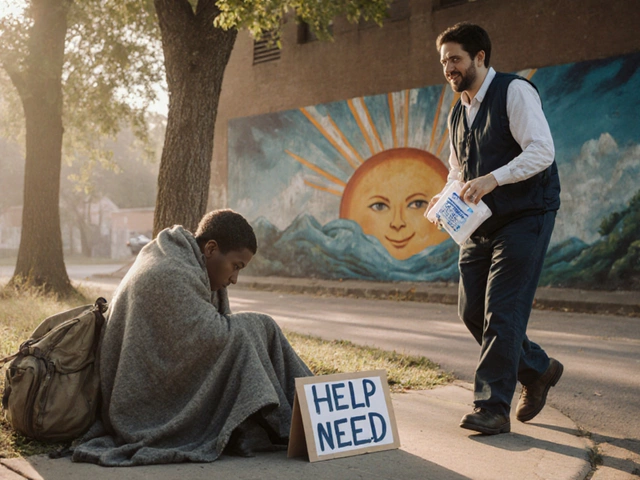
At its heart, the primary goal of community outreach is to establish and maintain trust. In many communities, especially those historically marginalized or underserved, there is a deep-seated skepticism toward outside organizations. Whether you are a large national charity or a small local group, you are entering someone else’s space. Your first job isn’t to give; it’s to prove you belong.
Trust is built through consistency and transparency. If you show up once a year for a festival but disappear when the hard work begins, you haven’t built trust; you’ve performed philanthropy. True outreach requires showing up during the boring parts too-the town hall meetings, the late-night planning sessions, and the follow-up calls that don’t lead to immediate donations.
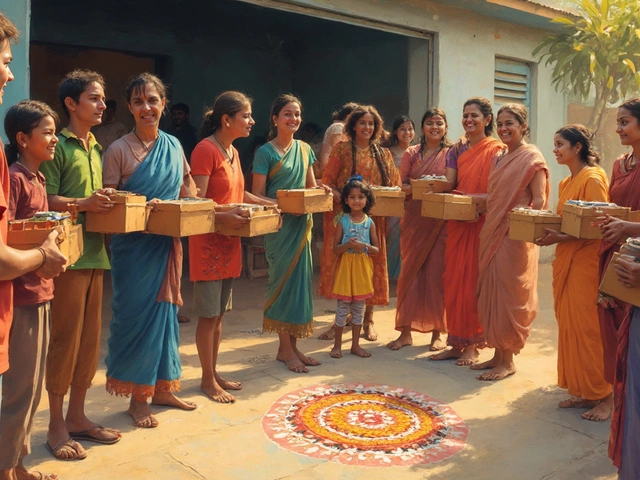
Consider the difference between a food bank that simply hands out boxes and one that holds cooking workshops with residents. The former fulfills a basic need, which is vital, but the latter builds dignity and connection. The goal shifts from “feeding people” to “empowering a community to nourish itself.” That shift changes everything.
Breaking Down Silos: Access and Equity
Another critical goal of outreach is ensuring equitable access to services. Many organizations have great programs, but they only reach the people who already know how to navigate complex systems. These are usually the most privileged members of the community. Outreach aims to bridge that gap.
This involves identifying barriers. Is your application form written in plain language? Are your meeting times compatible with shift workers? Do you have transportation options for those without cars? By actively removing these obstacles, outreach ensures that help reaches those who need it most, not just those who are easiest to reach.
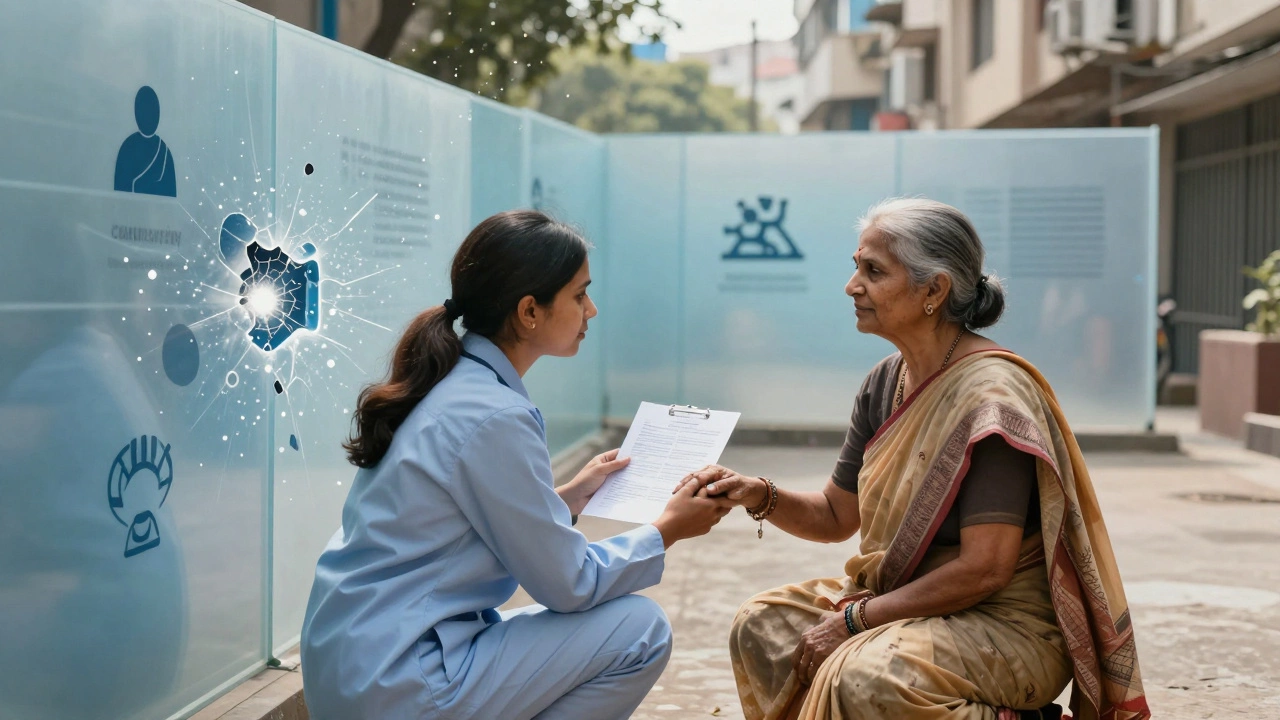
For example, a mental health clinic might find that their online booking system excludes elderly residents who aren’t tech-savvy. An effective outreach strategy wouldn’t just advertise the website; it would partner with local senior centers to offer phone-based appointments. This is equity in action.
Listening First: Needs Assessment vs. Assumption
One of the biggest mistakes organizations make is assuming they know what the community needs. The goal of outreach is also to listen. It is a data-gathering mission disguised as relationship-building. You need to understand the lived experiences of the people you want to serve.
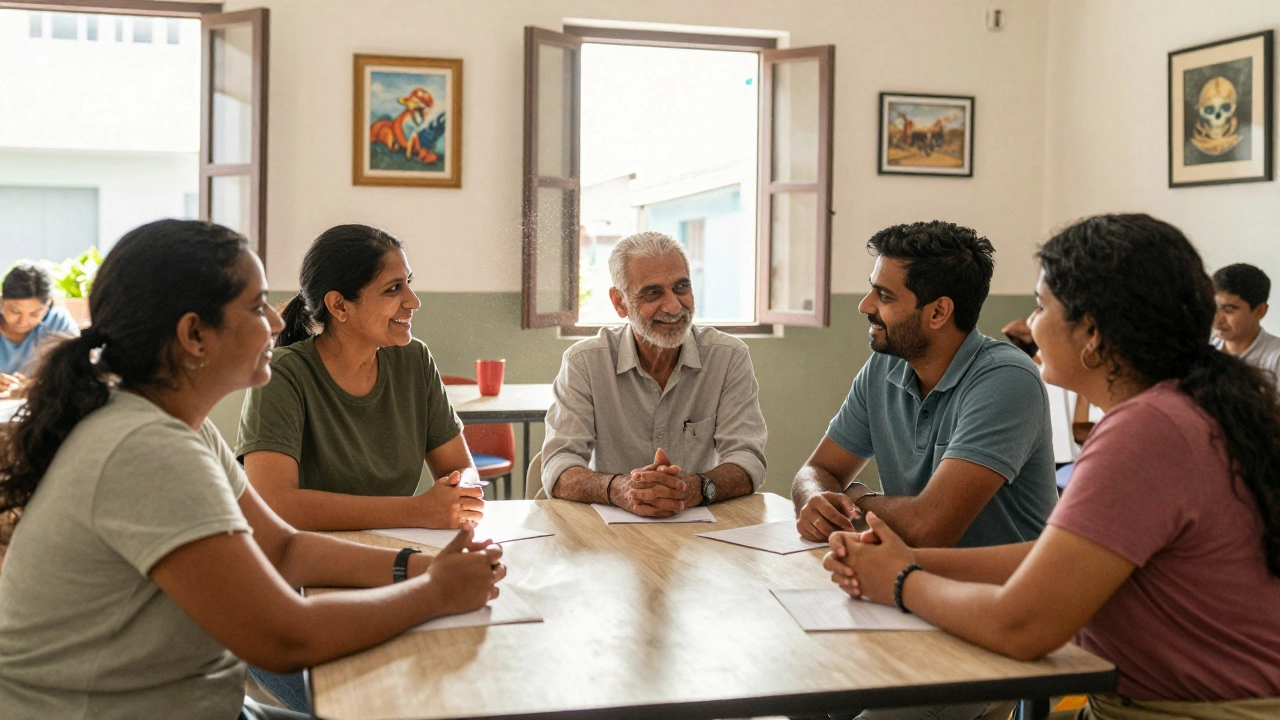
This means conducting genuine needs assessments. Instead of asking, “Do you want our new program?” ask, “What keeps you up at night?” Use surveys, focus groups, and casual conversations in public spaces like libraries or parks. The insights you gain will often surprise you. You might think you need to build a playground, but the community might actually be asking for better street lighting due to safety concerns.
When you align your services with actual expressed needs, your impact multiplies. You stop wasting resources on solutions looking for problems and start addressing the issues that matter most to the people living them.
Empowerment and Capacity Building
Sustainable community outreach aims to empower individuals and groups to solve their own problems. This is often called capacity building. It’s about moving from dependency to self-sufficiency. If an organization does everything for the community, the community never develops the skills or confidence to advocate for itself.
This looks like training local leaders, providing grants to grassroots initiatives, or offering mentorship programs. For instance, instead of just cleaning up a park yourself, an outreach program might provide tools and training to a neighborhood youth group so they can maintain the space long after your volunteers leave.
The goal here is legacy. You want to leave the community stronger and more capable than you found it. This requires patience and a willingness to step back and let locals take the lead. It’s harder to measure than headcounts, but it’s far more valuable in the long run.
Fostering Social Capital and Cohesion
Social capital refers to the networks of relationships among people who live and work in a particular society, enabling that society to function effectively. Outreach plays a huge role in strengthening these bonds. In isolated urban environments or fragmented rural areas, people often feel disconnected from their neighbors.
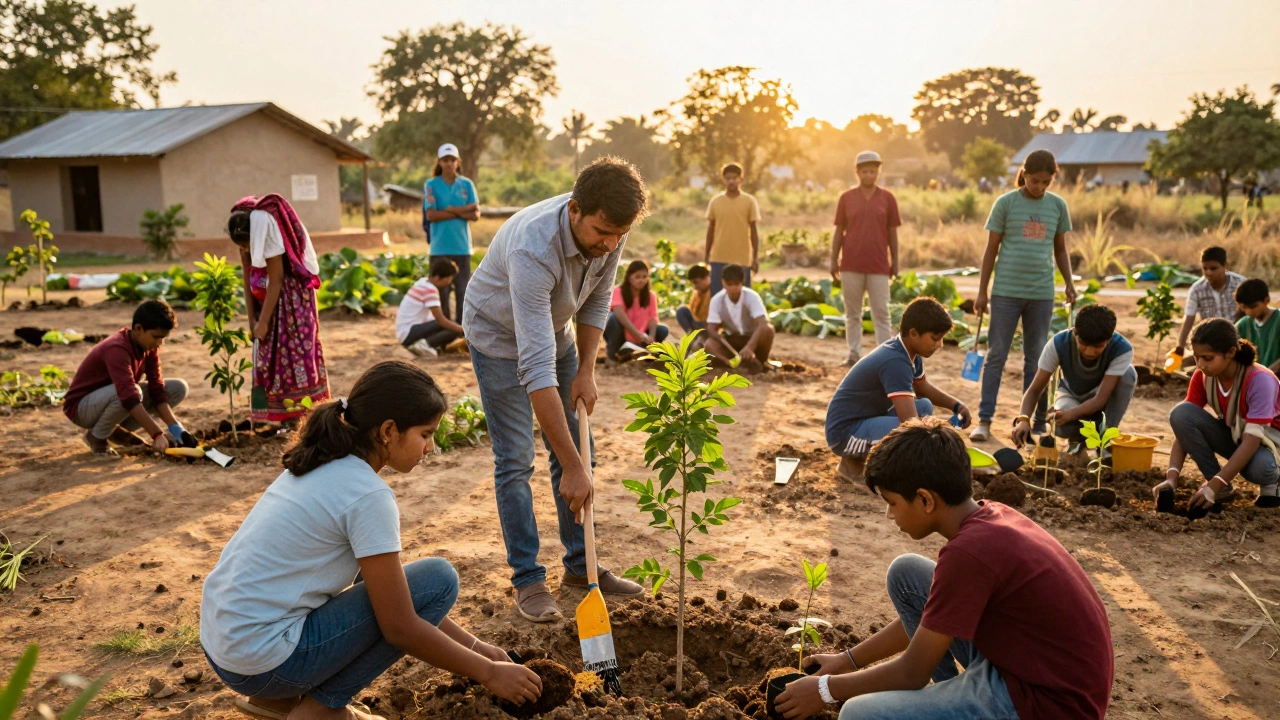
Outreach events can act as social glue. A community garden, a neighborhood watch program, or a cultural festival brings diverse groups together. These interactions break down stereotypes and foster a sense of belonging. When people know their neighbors, they are more likely to look out for each other, share resources, and collaborate on local issues.
This cohesion makes communities more resilient. During crises, such as natural disasters or economic downturns, strong social networks mean faster recovery and better support systems. Your outreach isn’t just about your organization’s success; it’s about the overall health of the community fabric.
Measuring Impact Beyond Metrics
If the goals of outreach are trust, equity, empowerment, and cohesion, how do you measure success? Traditional metrics like “number of attendees” or “dollars raised” are insufficient. They tell you about activity, not impact.
You need qualitative measures. Track stories of change. Monitor shifts in community sentiment through regular feedback loops. Look at retention rates-are people staying involved over time? Assess partnerships-are you collaborating with more local entities than before?
For example, if your goal was to increase trust, a good metric might be the number of community members who volunteer to lead future projects. If your goal was equity, track the demographic diversity of participants compared to the general population. These deeper metrics reflect whether you are truly achieving the core objectives of outreach.
| Aspect | Transactional Outreach | Relational Outreach |
|---|---|---|
| Primary Focus | Acquiring users/donors | Building long-term trust |
| Communication Style | Broadcast (one-way) | Dialogue (two-way) |
| Success Metric | Headcount/Revenue | Retention/Partnerships |
| Community Role | Passive recipient | Active partner |
| Time Horizon | Short-term campaigns | Long-term sustainability |
Common Pitfalls to Avoid
Even with good intentions, outreach can go wrong. One common pitfall is “parachuting”-dropping into a community, implementing a solution based on outside expertise, and leaving. This undermines local leadership and creates resentment.
Another mistake is inconsistency. Outreach cannot be sporadic. If you engage deeply for three months and then vanish for six, you damage the trust you worked so hard to build. Consistency signals respect and reliability.
Also, avoid jargon. Using terms like “stakeholder engagement” or “capacity building” in conversations with residents can alienate them. Speak plainly. Use language that reflects the community’s own voice and values.
Next Steps for Effective Outreach
To achieve these goals, start by mapping your current relationships. Who are the trusted voices in your target community? Partner with them. Don’t try to be the hero; be the supporter.
Conduct a listening tour before launching any new initiative. Spend at least three months just talking and observing. Then, co-design your programs with community members. Finally, commit to long-term presence. Show up, stay humble, and let the community guide the way.
How long does it take to build trust in a community?
There is no fixed timeline, but experts suggest it takes at least 12 to 18 months of consistent, transparent interaction to move from skepticism to genuine trust. Quick fixes rarely work in community relations.
What is the difference between outreach and engagement?
Outreach is often the initial contact-reaching out to inform or invite. Engagement is the ongoing process of involving people in decision-making and action. Outreach opens the door; engagement keeps people in the room.
Can digital tools replace face-to-face outreach?
Digital tools can supplement outreach, especially for logistics and broad awareness, but they cannot replace the depth of face-to-face interaction required to build true trust and empathy. Human connection remains irreplaceable.
Who should lead community outreach efforts?
Ideally, outreach should be led by individuals who reflect the community they serve. This includes hiring staff from the local area and empowering community ambassadors to represent the organization’s values authentically.
How do I handle resistance from community members?
Listen to the reasons behind the resistance without becoming defensive. Acknowledge past failures if applicable. Transparency and a willingness to adapt your approach based on feedback are key to overcoming skepticism.