Young Men's Christian Association: History, Impact, and How It Still Helps Today
When you hear Young Men's Christian Association, a global nonprofit founded in 1844 to support young men in cities through moral guidance and safe spaces. Also known as YMCA, it has grown into one of the most trusted community organizations in the world, serving people of all ages, genders, and backgrounds. It wasn’t just about prayer or preaching—it was about survival. In Victorian London, young men moving to cities for work had nowhere to go. No safe housing. No structure. No support. The YMCA stepped in with beds, meals, and mentorship. That same spirit lives today—in swimming pools, after-school programs, job training centers, and shelters across the globe.
The YMCA, a community-based nonprofit that provides health, education, and social services doesn’t just serve youth. It supports seniors with low-cost fitness classes, helps families access childcare, and runs food programs in neighborhoods where groceries are hard to find. In the U.S., Canada, India, and beyond, local YMCAs are often the only place where a teenager can get free tutoring, a single parent can find a safe place for their kids after school, or an older adult can stay active without paying high gym fees. It’s not glamorous. But it’s real. And it works.
What makes the YMCA, a nonprofit with a long history of community outreach and social support different from other charities? It doesn’t wait for you to ask for help. It shows up. In schools, in housing projects, in rural towns where nothing else exists. It partners with local governments, schools, and faith groups—not to convert anyone, but to connect people. You won’t find a single doctrine on its walls. You’ll find basketball courts, ESL classes, and counselors who know your name.
Today, the YMCA is more than a building. It’s a network of thousands of local hubs, each shaped by the needs of its community. In some places, it’s a homeless outreach center. In others, it’s a summer camp for kids who’ve never seen the ocean. In India, where many of the posts on this site focus on grassroots action, YMCA-run programs help young men and women find jobs, build leadership skills, and break cycles of poverty—all without relying on big donations or flashy campaigns. It’s quiet work. But it changes lives.
What you’ll find below are real stories and practical insights about how organizations like the YMCA operate. You’ll read about fundraising that actually works, why volunteering matters for your future, and how community groups build trust one person at a time. These aren’t theoretical ideas—they’re lessons from people who show up every day, whether it’s to teach a kid how to swim or to help someone find a place to sleep. The YMCA didn’t become one of the most enduring social movements by accident. It did it by listening, adapting, and never walking away.
What Was the First Youth Organization? History and Origins
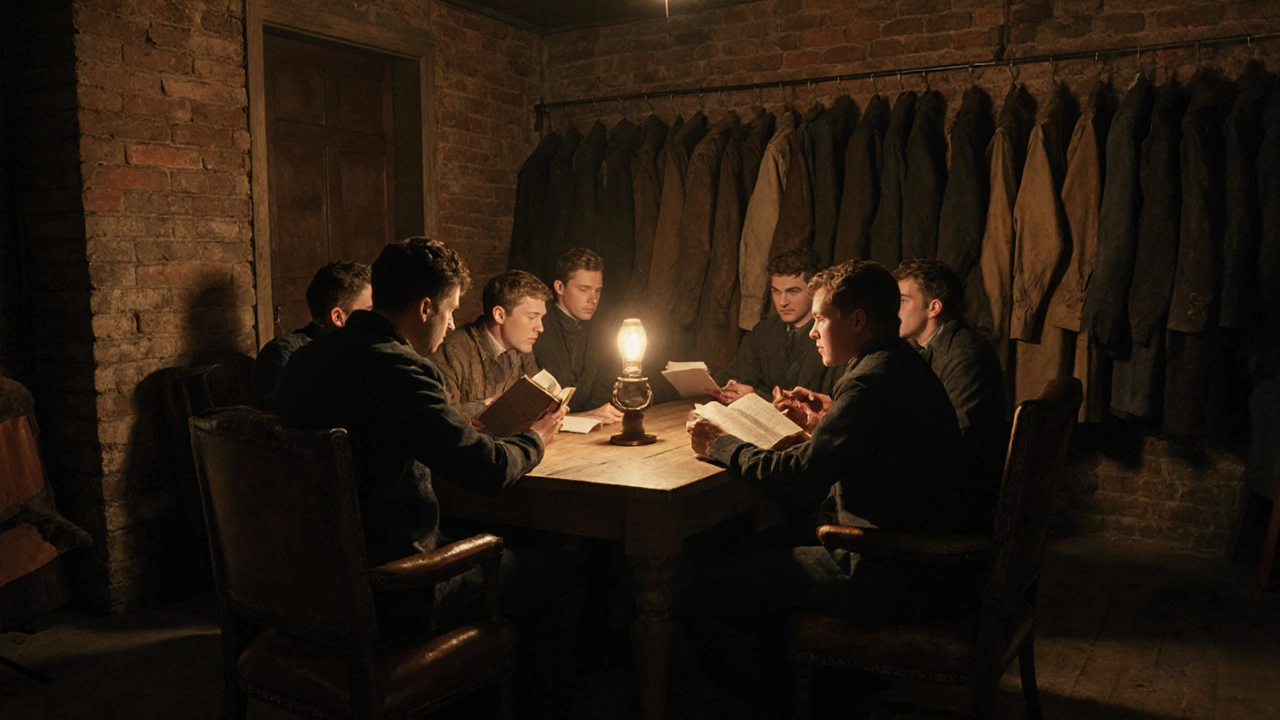
The first youth organization was the YMCA, founded in 1844 in London to support young men in industrial cities. It became the model for youth groups worldwide.
DetailRelated Posts