YMCA Origins: How a Simple Idea Became a Global Force for Community
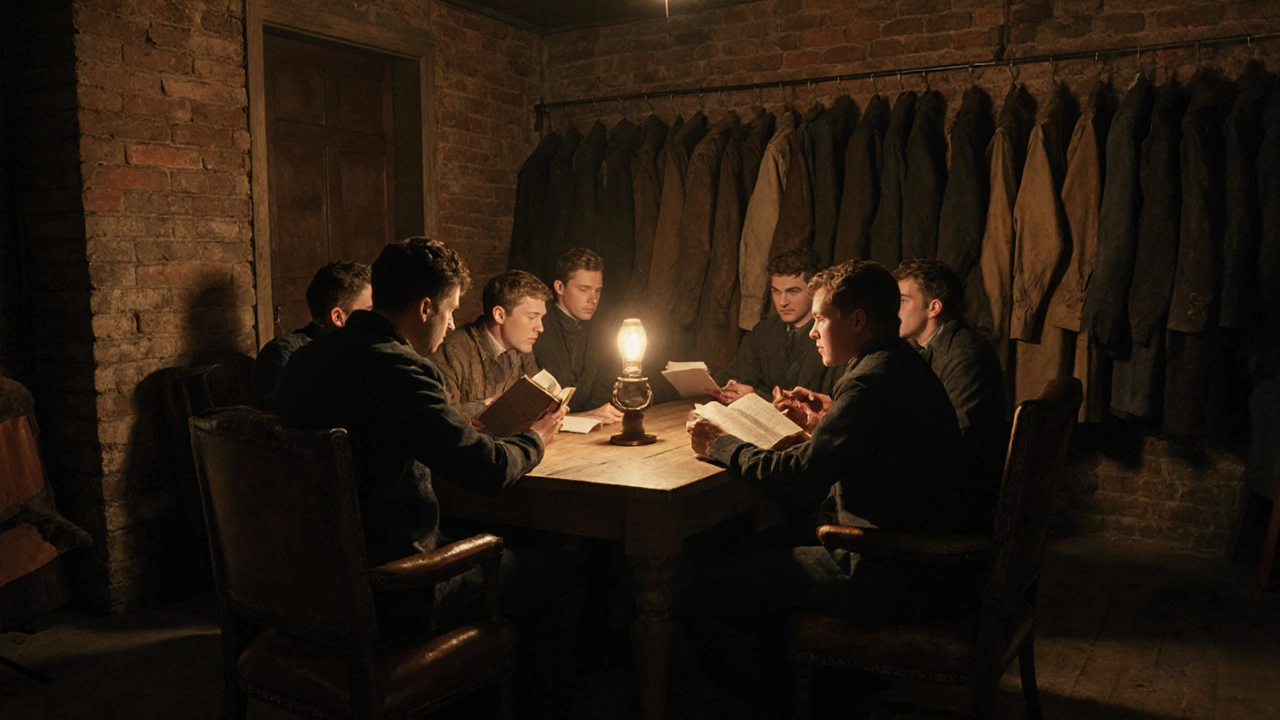
When you think of the YMCA, a global network of community centers focused on youth development, fitness, and social support. Also known as Young Men's Christian Association, it began in 1844 in London as a quiet response to the loneliness and moral confusion faced by young men moving to cities for factory work. George Williams, a young furniture salesman, gathered twelve others in a basement to pray, read the Bible, and support each other. That small group didn’t set out to build gyms, swimming pools, or overnight shelters. They just wanted to offer a safe place to be human amid the chaos of industrialization.
The YMCA, a global network of community centers focused on youth development, fitness, and social support didn’t stay small. By the 1850s, it spread to the U.S., Canada, and beyond—not because of grand marketing, but because it solved real problems. In America, it became a refuge for immigrants, a place where boys could sleep without fear, learn to read, or play basketball (yes, the game was invented there in 1891 by James Naismith). It wasn’t just about religion; it was about belonging. Over time, it evolved into a space for women, families, and people of all faiths—or none at all. Today’s community centers, local hubs offering programs in health, education, and social services owe much of their structure to the YMCA’s early model: practical, local, and built on trust.
The youth organizations, structured programs designed to support young people’s growth through mentorship, activities, and safe spaces we see today—from after-school clubs to teen mentoring—follow the same blueprint: show up consistently, listen first, and give people a reason to stay. The YMCA didn’t wait for funding or approval. It built what was needed: a place to sleep, a meal, a game, a mentor. That’s the same energy driving today’s neighborhood groups, food pantries, and volunteer networks you’ll find in the posts below.
What you’ll see in the collection here aren’t just stories about charity or history. They’re about the same quiet, persistent work—the kind that doesn’t make headlines but keeps communities alive. Whether it’s a food bank in New Zealand, a support group in Oregon, or a shelter in Arkansas, the thread is the same: people showing up for each other, just like those twelve men did in 1844.
What Was the First Youth Organization? History and Origins
The first youth organization was the YMCA, founded in 1844 in London to support young men in industrial cities. It became the model for youth groups worldwide.
DetailRelated Posts