Sustainability: Real Ways Communities Are Making a Difference
When we talk about sustainability, the practice of meeting today’s needs without harming future generations. Also known as long-term environmental responsibility, it’s not about grand gestures—it’s about consistent, local action that adds up. Think food banks reducing waste, neighbors restoring parks, or youth groups pushing for clean energy. This isn’t theory. It’s what’s happening right now in towns and cities across the world.
Environmental groups, organizations focused on protecting nature and pushing for policy change. Also known as eco-advocacy groups, they range from global giants like Greenpeace to tiny local teams in New Zealand and Bangladesh restoring rivers and planting trees with no funding but huge heart. These groups don’t wait for permission. They show up, document damage, and demand action—and they’re the reason we know climate change is the #1 environmental problem today. It’s not just rising temperatures; it’s disappearing species, flooded homes, and food shortages. And the people fighting it? They’re not scientists in labs—they’re teachers, parents, students, and retirees who refuse to look away.
Charitable trusts, legal tools that let people direct their money to causes they care about, often with tax benefits and long-term impact. Also known as philanthropic vehicles, they’re how some families ensure their legacy supports clean water or housing for the homeless decades after they’re gone. And community outreach, building trust through consistent presence, listening, and action—not flyers or one-off events. Also known as local engagement, it’s what turns apathy into action. You don’t need a big budget to start. You just need to show up, week after week, and ask: What do you need? Then help deliver it.
What you’ll find below isn’t a list of feel-good stories. It’s a collection of real, messy, practical work: how to tell if a charity actually uses your money, why volunteering matters more than your resume, who’s feeding the most people on earth, and why some billionaires choose not to give. You’ll see how food banks operate in New Zealand, how homeless shelters work in Arkansas, and how a single school club can spark a neighborhood movement. This is sustainability not as a slogan—but as a daily practice. And you don’t need to be rich, famous, or perfect to join.

The Three Core Groups of Environmental Management Explained
Explore the three groups of environmental management-pollution prevention, resource conservation, and environmental planning-plus real-world examples, practical steps, and FAQs.
Detail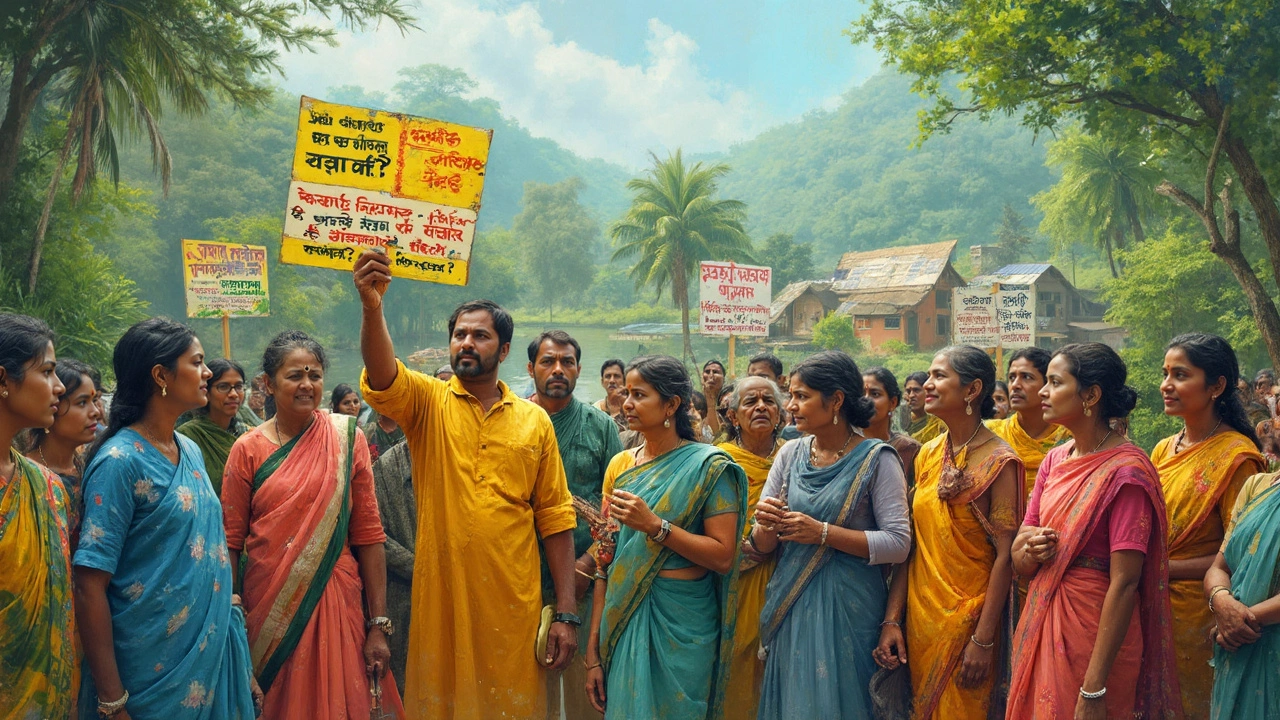
Major Roles of Environmental Groups: How They Make a Difference
Environmental groups play a vital role in advocating for nature through various impactful ways. They focus on conservation, raising awareness, and promoting sustainability to protect our planet. These groups engage in grassroots activism, influence policy change, and educate the public. Their efforts are crucial in addressing challenges like climate change and habitat destruction. Discover how these organizations are making a real difference for the environment.
DetailRelated Posts