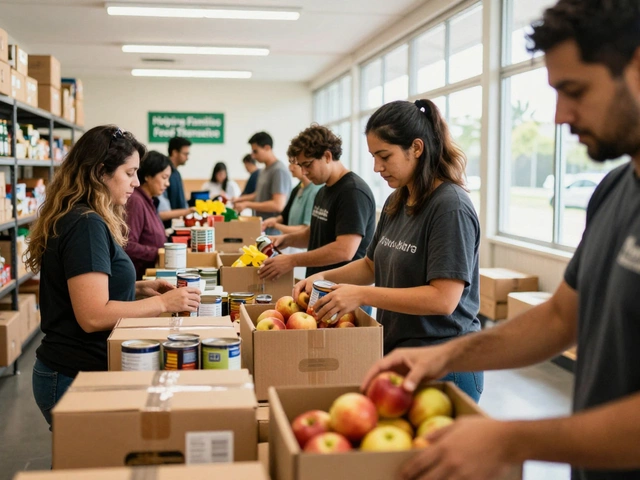
Strategy in Community Action: How Organizations Drive Real Change
When you think about strategy, a clear plan of action designed to achieve specific goals in social or community work. Also known as planning for impact, it's not just about big budgets or fancy events—it’s about knowing where to focus, who to reach, and how to keep going when things get hard. A good strategy turns good intentions into real results. It’s what separates a one-time food drive from a network of food banks that feed families year after year. It’s why some volunteer groups grow into powerful movements while others fade out after a few months.
Strategy isn’t magic. It’s built on simple, repeatable choices. Take community outreach, the consistent, trust-based effort to connect with local people and involve them in solving shared problems. It’s not flyers on poles or one-off cleanups. It’s showing up week after week, listening more than talking, and letting the community shape the solution. That’s how groups in New Zealand, Bangladesh, and Oregon built lasting change without big funding. Then there’s charitable trust, a legal tool that lets people direct their donations to specific causes, often with tax benefits and long-term control. It’s not just for billionaires—ordinary people use it to make sure their support for mental health, food security, or environmental work lasts beyond their lifetime. And when it comes to environmental groups, organizations focused on protecting nature through activism, science, or local action, strategy determines whether they win policy battles, shift public opinion, or just recycle the same slogans year after year.
Strategy also decides if volunteers stick around. With a volunteer engagement, the intentional process of attracting, supporting, and retaining people who give their time to a cause plan, a nonprofit doesn’t just ask for help—it gives people real reasons to stay. It’s about clear roles, recognition, and seeing how their effort connects to bigger wins. Without it, even the best causes suffer from burnout and empty volunteer lists.
What you’ll find here aren’t theories. These are real stories from groups that got strategy right—and some that didn’t. You’ll see how fundraising events can cost more than they bring in, why some charities earn trust while others don’t, and how the simplest local actions can outlast big national campaigns. Whether you’re starting a group, trying to grow one, or just wondering where to give your time or money, the posts below show you what actually moves the needle.

Crafting an Effective Community Outreach Strategy
Community outreach strategies are designed to engage with local groups and individuals to build positive relationships and foster support. Successful outreach involves understanding the community's needs, creating targeted plans, building partnerships, and continually evaluating the effectiveness of the efforts. Integrating the voices and concerns of community members is crucial for meaningful engagement. Strategies should be adaptive and responsive to changes within the community to remain effective.
DetailRelated Posts