Every year, millions of people want to give back. But showing up isn’t enough. If you’re looking to make a real difference, you need to know where help is actually needed - not just where it’s easy to find.
Food Banks Are Still Under Pressure
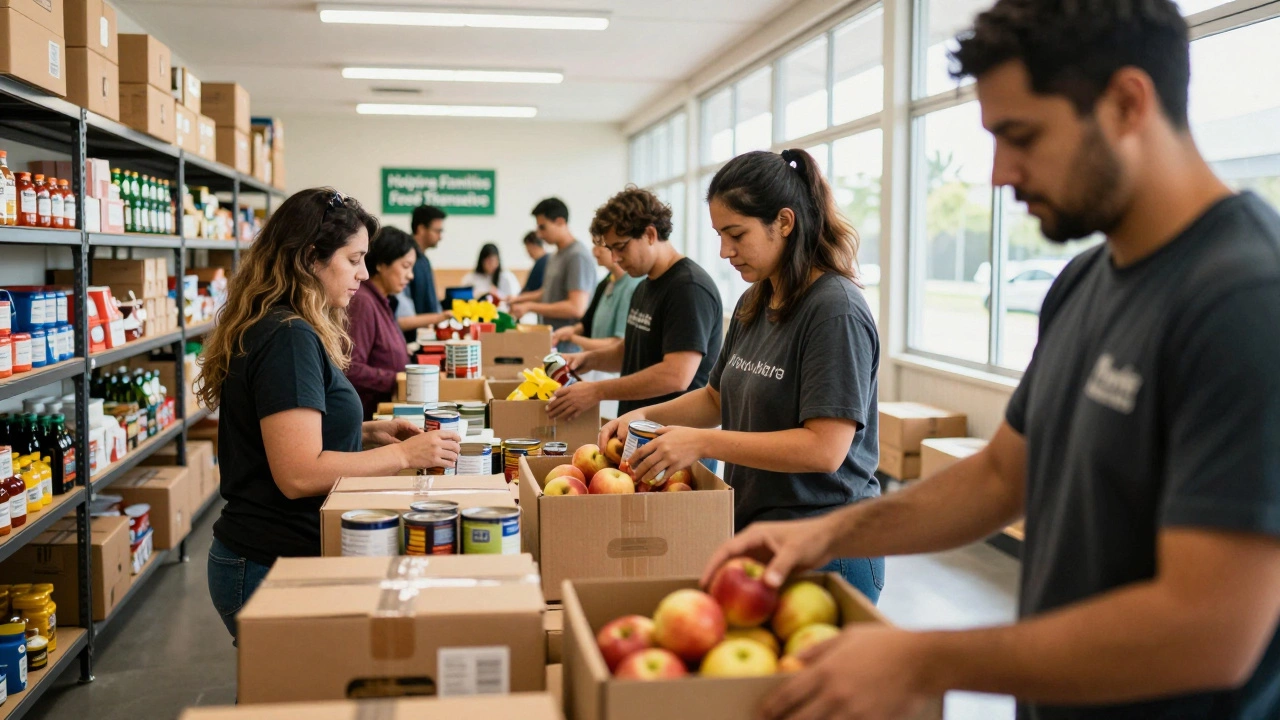
Food banks haven’t recovered from the cost-of-living spike that started in 2022. In New Zealand, Foodbank NZ reported a 42% increase in requests between 2023 and 2025. The biggest surge? Families with children. Single parents, retirees on fixed incomes, and migrant workers are lining up for groceries more than ever. Volunteers are needed not just to sort donations, but to help pack boxes, deliver meals to housebound seniors, and manage intake lines without long waits. One food bank in Christchurch reduced wait times by 60% after hiring 15 weekend volunteers to help with sorting and distribution. You don’t need experience. You just need to show up for a few hours a week.
Homeless Services Need More Than Blankets
Shelters are full. But what’s worse is the growing number of people sleeping in cars, under bridges, or in emergency motels. Many shelters are short-staffed and overwhelmed. Volunteers are needed for more than handing out socks. They’re needed to help with intake interviews, connect people to housing programs, and run weekly hygiene stations. In Wellington, the Night Shelter saw a 30% jump in overnight guests in 2025. They now run a daily drop-in center where volunteers help people access ID documents, apply for benefits, or just get a hot meal and a quiet place to sit. Training is provided. The real requirement? Consistency. One volunteer who showed up every Tuesday for six months helped three people get into permanent housing.
Environmental Groups Are Fighting a Losing Battle Without Hands
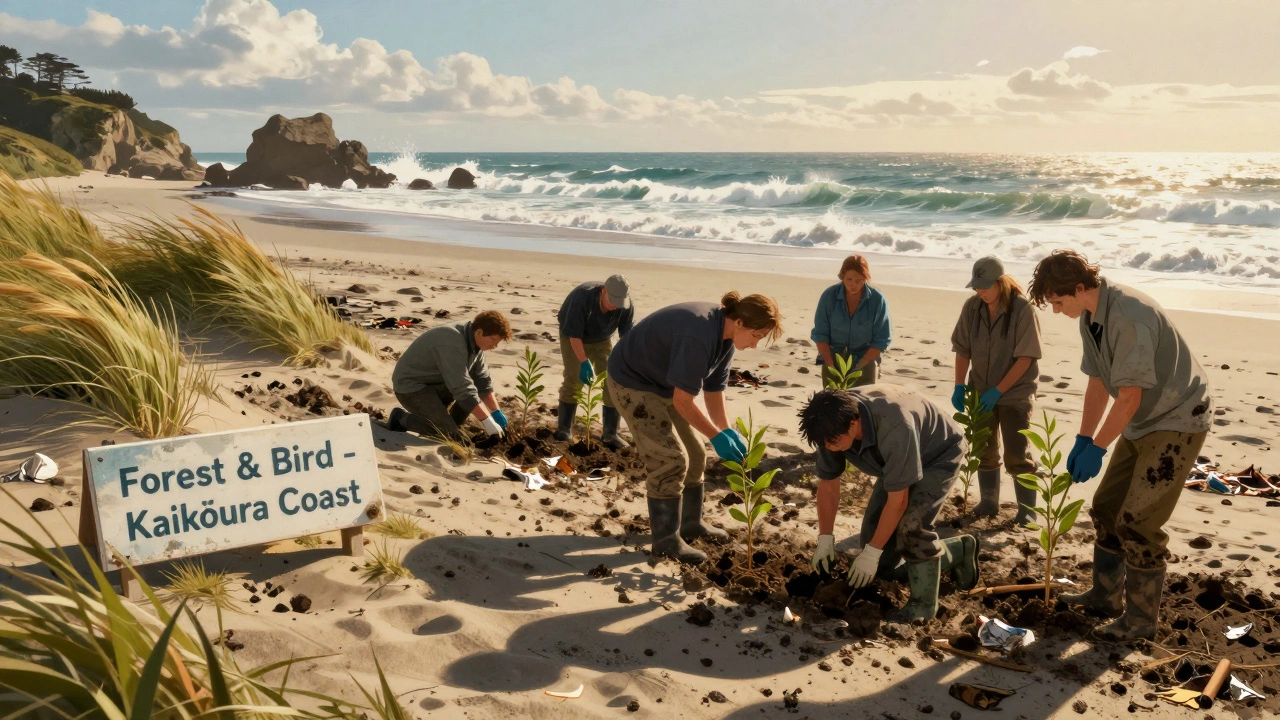
Coastal cleanups, tree planting, and invasive species removal sound nice - until you realize how few people show up. The Department of Conservation in New Zealand reports that 70% of its community restoration projects were canceled in 2024 due to lack of volunteers. Marine debris is piling up on beaches from Kaikōura to Stewart Island. Native forest restoration in the North Island is falling behind because there aren’t enough people to plant and protect seedlings. You don’t need to be an expert. You just need to show up with gloves and sturdy shoes. Groups like Forest & Bird and Local Coast Care organize weekend work parties. They supply tools, training, and tea. You’ll leave tired, muddy, and actually knowing you helped.
Youth Programs Are Starved for Mentors
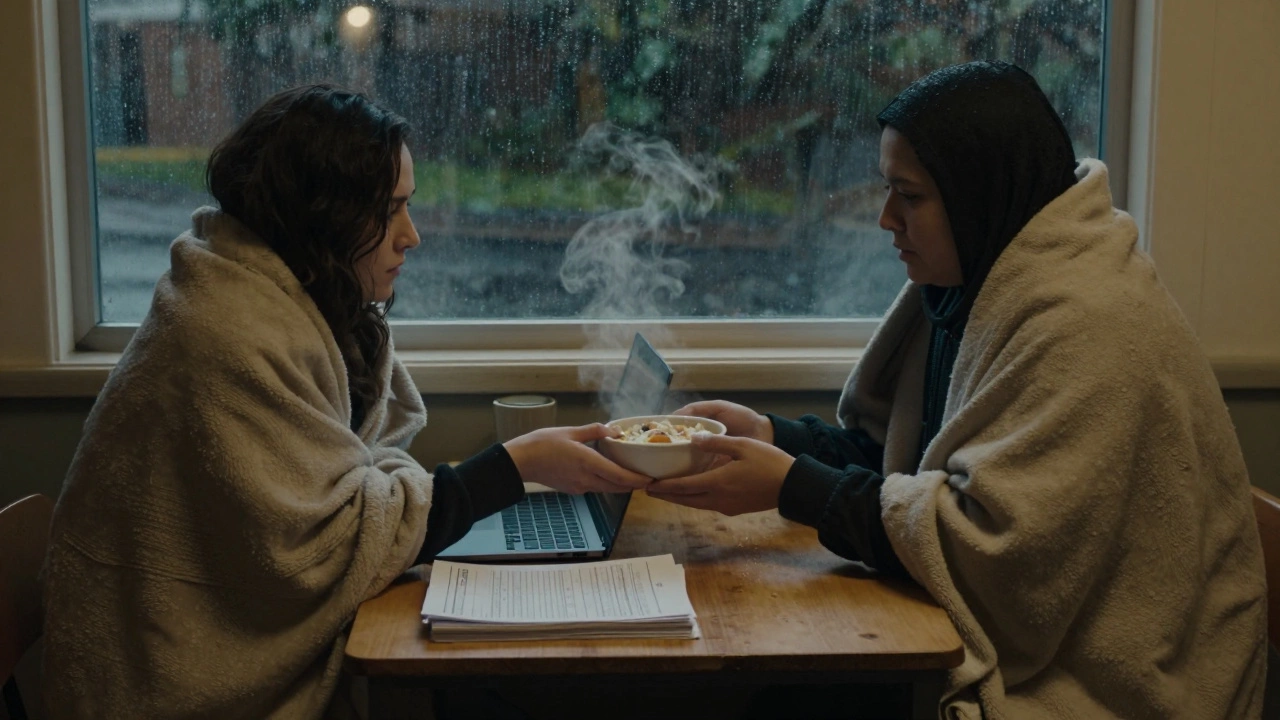
After-school programs, youth centers, and mentoring initiatives are desperate for adults who can show up regularly - not just once a year. A 2025 study by the New Zealand Youth Commission found that kids in low-income neighborhoods who had a consistent adult mentor were 50% more likely to stay in school and 35% less likely to get involved with the justice system. But finding volunteers who commit for more than three months is hard. Programs need people who can help with homework, run art or sports sessions, or just listen. You don’t need to be a teacher. You just need to be reliable. One high school in Porirua started a ‘Coffee with a Mentor’ program where volunteers meet one student for 30 minutes every Thursday. No agenda. No pressure. Just presence. That’s what changes lives.
Mental Health Support Is Growing - But Volunteers Are Still Missing
Hotlines and peer support networks are expanding, but they’re running on thin staff. In 2025, Lifeline Aotearoa received over 300,000 calls - a 25% increase since 2022. They now train volunteers to answer calls, send text-based support, and run online chat groups. Training takes 8 weeks. You’ll learn active listening, crisis de-escalation, and how to connect callers to local services. You’re not a therapist. You’re a first responder. Many volunteers say the hardest part isn’t the calls - it’s knowing how few people realize this work even exists. If you’re calm under pressure and have good boundaries, this is one of the most impactful ways to help.
Community Support Groups Are Quietly Crumbling
Small, local groups - like the senior lunch club in Tauranga, the refugee welcome circle in Hamilton, or the disability transport service in Dunedin - are vanishing. Why? Because the volunteers who ran them are aging out, and no one is stepping up. These aren’t flashy campaigns. They’re quiet, daily acts: driving someone to dialysis, translating documents for a new family, or delivering a weekly meal. These groups survive on one or two volunteers. If they leave, the service shuts down. You don’t need to be young. You don’t need to be fluent in another language. You just need to be willing to show up once a week. The impact is immediate and personal.
What’s Not Needed? (And Where to Avoid)
Not every cause needs more volunteers. Big national charities like Red Cross or Cancer Society have professional staff, systems, and funding. They rarely need walk-in volunteers. If you show up at a large event expecting to ‘help out,’ you’ll likely be turned away. They need donors, not hands. Look for smaller, local organizations - the ones without glossy websites or big social media followings. They’re the ones that disappear if you don’t show up.
How to Find the Right Fit
Start with what you can realistically give. Can you spare two hours a week? One weekend a month? Then search for opportunities that match that rhythm. Use local council websites, community boards, or platforms like Volunteer NZ. Don’t just pick the first thing you see. Ask: Do they need consistent help? Are they small enough that my effort actually matters? If the answer is yes, you’ve found your place.
Real Impact Isn’t About Numbers
It’s not about how many people you serve. It’s about how many people you remember. One volunteer at a youth center in Napier started bringing homemade cookies every Friday. She didn’t lead activities. She didn’t give advice. She just showed up. After six months, a 14-year-old boy told her, ‘You’re the only adult who never asked me why I was late.’ That’s the kind of change that lasts. You don’t need to save the world. Just show up. Someone’s waiting.
Where are volunteers most needed right now?
Volunteers are most needed in food banks, homeless services, environmental restoration, youth mentoring, mental health support lines, and small community groups that help seniors, refugees, and people with disabilities. These areas face growing demand but shrinking volunteer numbers. Local, consistent help makes the biggest difference.
Can I volunteer even if I have a full-time job?
Absolutely. Many organizations need help on weekends, evenings, or just one day a month. Food banks need sorting help on Sundays. Mental health hotlines need evening volunteers. Youth programs need tutors after school. You don’t need to give up your job - just give a few hours. Consistency matters more than hours.
Do I need special skills to volunteer?
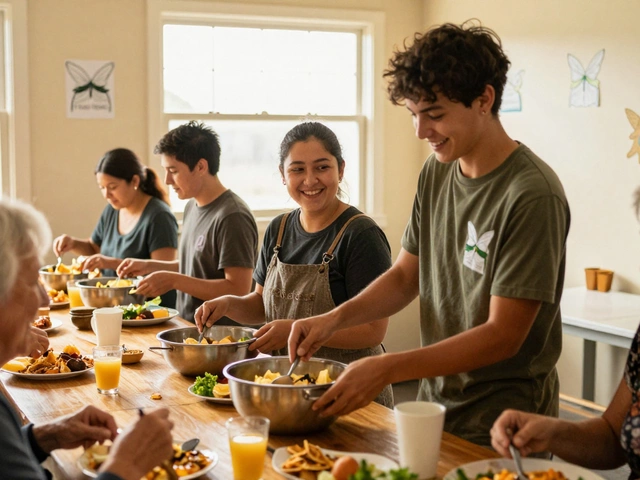
Most places don’t require special skills. Food banks need people to sort cans. Shelters need people to serve meals. Environmental groups need people to plant trees. Training is usually provided. The only real requirement is reliability. If you show up when you say you will, you’re already more helpful than most.
Why do some volunteer opportunities turn people away?
Larger national organizations often have strict policies, insurance rules, or already have enough staff. They may only accept volunteers through formal applications or training programs. Smaller local groups, however, are usually happy to take help right away. Look for community centers, churches, or neighborhood associations - they’re more likely to welcome walk-ins.
What’s the best way to start volunteering?
Start small. Pick one thing you care about - food, youth, the environment, or seniors. Then find a local group that does it. Contact them, ask what they need most, and offer to help once a week. Don’t overcommit. Just show up. The right opportunity will feel less like a chore and more like a connection.
If you’ve ever felt like your help doesn’t matter, think again. The quietest places - the ones without banners or fundraising drives - are the ones that need you the most. You don’t have to change the world. Just be there. Someone’s counting on it.