Networking for Social Change: Build Connections That Drive Community Impact
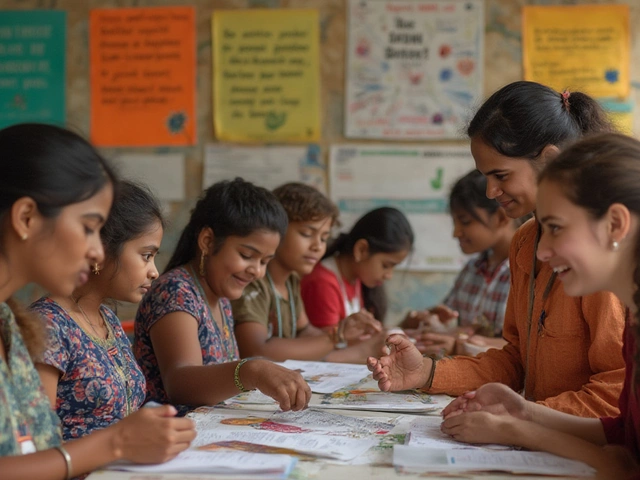
When you think of networking, the practice of building intentional relationships to share resources, ideas, and support. Also known as relationship building, it's not about collecting contacts—it's about creating trust that turns one-time helpers into long-term allies. Most people assume networking happens at fancy galas or LinkedIn pitches, but in community work, it’s quieter. It’s the coffee chat after a food bank shift. The text message between two volunteers from different nonprofits who just realized they’re both trying to fix the same broken housing program. That’s where real change starts.
Community organizations, local groups working to solve problems like hunger, homelessness, or environmental damage don’t survive on big budgets—they survive on connections. A small group in Bangladesh restoring wetlands didn’t get funding from a grant. They got it because someone from a similar group in Oregon showed up at their meeting, shared their spreadsheet, and introduced them to a donor. That’s networking. Volunteer networks, loose but powerful webs of people who show up again and again for causes they care about are the backbone of every successful nonprofit. They’re not on payroll, but they’re the ones who show up with food, tools, and time. And when those networks talk to each other—when a youth group in Minnesota shares its outreach model with a senior center in Oregon—they don’t just copy ideas. They multiply impact.
Nonprofit collaboration, when separate organizations work together instead of competing for the same donors or volunteers is the secret weapon no one talks about. Think about it: why should five groups in the same city run separate food drives when they could combine resources, share a van, and reach twice as many people? That’s not theory—it’s happening right now in places where leaders stopped seeing each other as rivals and started seeing each other as teammates. And social impact, the measurable difference a group makes in people’s lives doesn’t grow from flashy campaigns. It grows from consistent, honest conversations over years—not months.
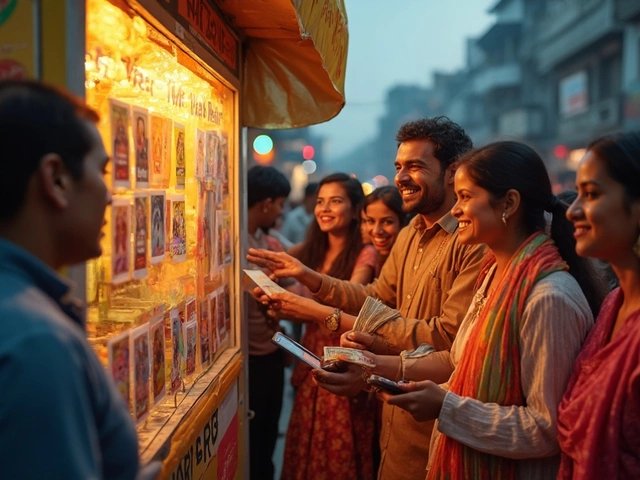
You don’t need a big title or a fancy office to start networking. You just need to show up. Ask someone what they’re working on. Offer help without expecting anything back. Share a resource. That’s it. The posts below show you how real people turned simple connections into lasting change—whether it’s finding volunteers through local events, avoiding costly fundraising mistakes by teaming up with other groups, or using support groups to build the emotional resilience needed to keep going. These aren’t success stories from billionaires. They’re from people just like you, who figured out that the most powerful tool in community work isn’t money—it’s who you know, and how well you listen.
Social Club Benefits: What Does a Social Club Offer Anyway?
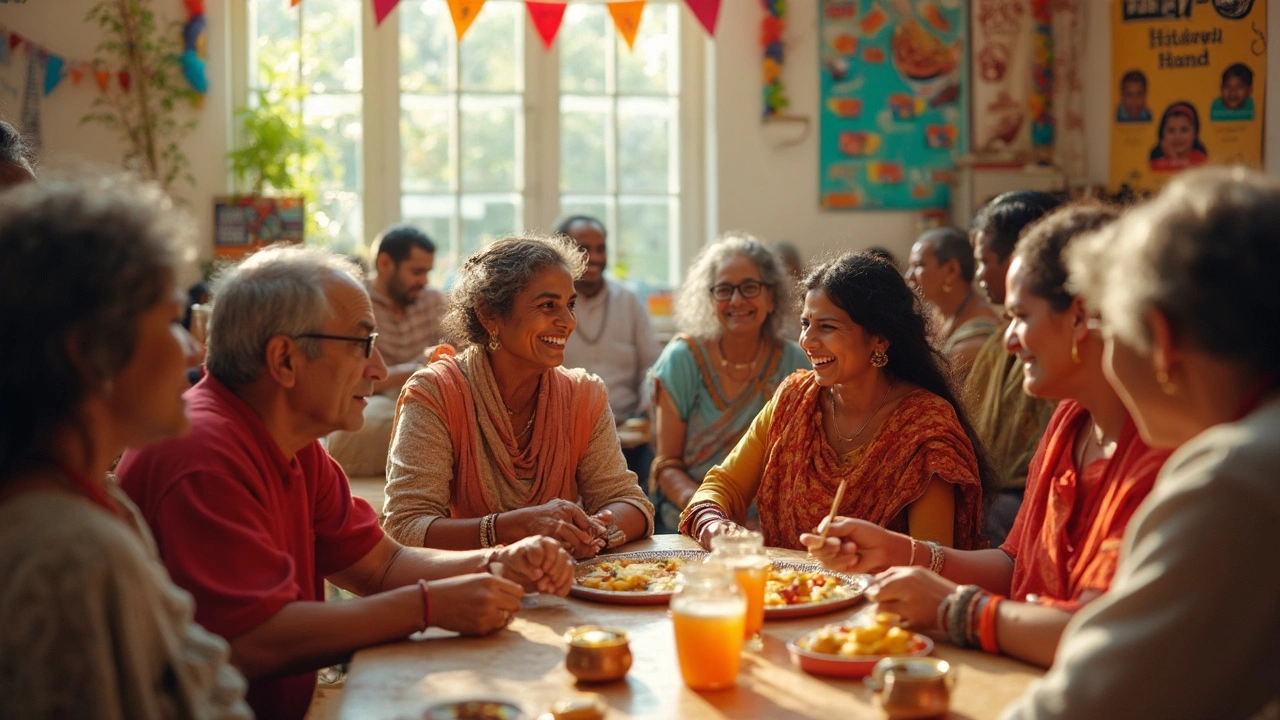
Wondering what social clubs actually offer? This article cracks open the real perks, from making new friends to finding hidden job leads. Get straight talk on the kinds of activities you can expect, who you'll meet, and how to pick the right club for you. Discover how clubs boost your hobbies and help you feel like you finally belong somewhere. You'll even find tips for getting the most out of your experience.
Detail
Are Social Clubs Still Around? Unpacking Modern Social Clubs Today
Social clubs aren’t just a thing of the past—many are thriving with fresh energy and new members. This article explores how these clubs work today, what draws people in, and why the old-fashioned idea of club life is making a comeback, but with a modern twist. We’ll look at types of clubs that are growing, what makes a social club tick in 2025, and how to find the right group for you. You’ll get tips on joining, making friends, and even starting your own club. Real stories and simple advice make this your go-to guide for social clubs in today's world.
Detail
What Were Social Clubs Used For? Unpacking the Origins and Purposes
Social clubs used to be more than just places to hang out—they were the backbone of community life for many groups. This article digs into how these clubs brought people together for support, hobbies, and networking. You’ll discover how they shaped everything from business deals to civil rights movements. Want to know why so many people felt drawn to join? Check out these surprising facts and real-life tips about what made social clubs tick.
DetailRelated Posts