Engagement: How Real People Build Stronger Communities
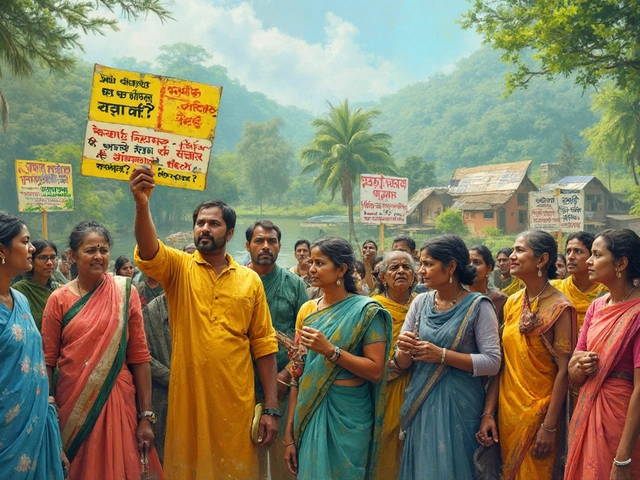
True engagement, the active, ongoing involvement of people in shared causes that improve their neighborhoods. Also known as civic engagement, it’s not about signing petitions or posting online—it’s about showing up, week after week, with real effort and real care. This is what happens when someone joins a food bank shift not because it looks good on a resume, but because they’ve seen a neighbor go hungry. It’s when a student starts a school club not for credits, but because they want to make their campus feel less lonely. Engagement is messy, slow, and deeply human—and it’s the only thing that actually changes communities.
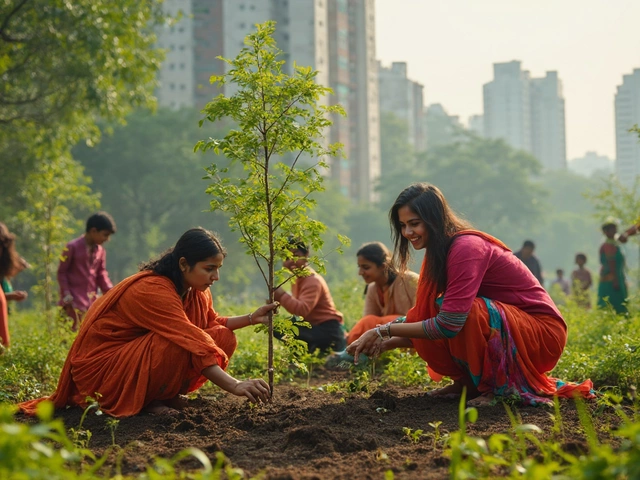
community outreach is how engagement grows. It’s not flyers on poles or one-off events. It’s the person who shows up at the same park every Saturday to clean up litter, learns the names of the kids who play there, and eventually helps start a tree-planting project. volunteer engagement thrives when people feel seen—not thanked with a certificate, but asked what they need, what they care about, and how they want to help. That’s why volunteer shortages aren’t solved by more ads—they’re solved by better relationships. And nonprofit engagement fails when organizations treat donors like ATMs instead of partners. The most effective groups listen first. They admit when they don’t have all the answers. They let the community lead.
Engagement doesn’t need big budgets or celebrity sponsors. It needs consistency. It needs honesty. It needs people who show up even when no one’s watching. The posts here don’t talk about theory. They show you how people in New Zealand eat when they’re broke, how a single environmental group in Bangladesh restored a river, why some billionaires never give back, and how a charity gala isn’t about champagne—it’s about storytelling that turns strangers into allies. You’ll find out what actually works when you’re trying to build something real with nothing but time and heart. There’s no magic formula. Just real actions, by real people, in real places. And if you’re ready to do more than scroll, you’ll find exactly what to do next.

Community Outreach: How It Really Works and Why It Matters
Community outreach is about connecting people and resources to tackle real-life problems. This article lays out how outreach programs work, who gets involved, what they actually do day-to-day, and the best ways to join in. You'll get real tips, stories, and surprising facts that make the process less intimidating. Whether you're a parent, student, or just curious, you'll walk away knowing how these projects make a real impact and how to get started. Expect plain, honest advice from someone who’s seen it in action.
Detail
Fun Ways to Make an After-School Kids Club a Hit
Creating a lively and engaging kids club is all about tapping into what sparks kids' excitement and curiosity. By incorporating a mix of interactive activities, themed days, and creative projects, you can make the club the highlight of their day. This article explores practical ways to captivate children, from organizing themed weeks to introducing surprise guest visits. The goal is to develop a dynamic environment where learning and fun collide.
Detail
Why People Engage in Community Outreach: Real Reasons and Tips
Community outreach is more than just a way to lend a helping hand—it's about building connections, spreading kindness, and making an impact. Whether it's through volunteering at a local shelter or organizing neighborhood events, outreach creates a sense of togetherness. It starts with understanding the needs of the community and crafting genuine relationships. Armed with simple strategies, anyone can get involved and make a difference.
Detail
Crafting an Effective Community Outreach Strategy
Community outreach strategies are designed to engage with local groups and individuals to build positive relationships and foster support. Successful outreach involves understanding the community's needs, creating targeted plans, building partnerships, and continually evaluating the effectiveness of the efforts. Integrating the voices and concerns of community members is crucial for meaningful engagement. Strategies should be adaptive and responsive to changes within the community to remain effective.
DetailRelated Posts