Ecosystem Services: What They Are and Why They Matter to Your Community
When you breathe clean air, drink safe water, or eat food grown in healthy soil, you’re benefiting from ecosystem services, the natural processes that sustain life on Earth without human intervention. Also known as nature’s benefits, these services are the quiet backbone of every community—whether you live in a city, town, or rural area. They’re not glamorous. You don’t see them. But if they disappeared, your life would fall apart.
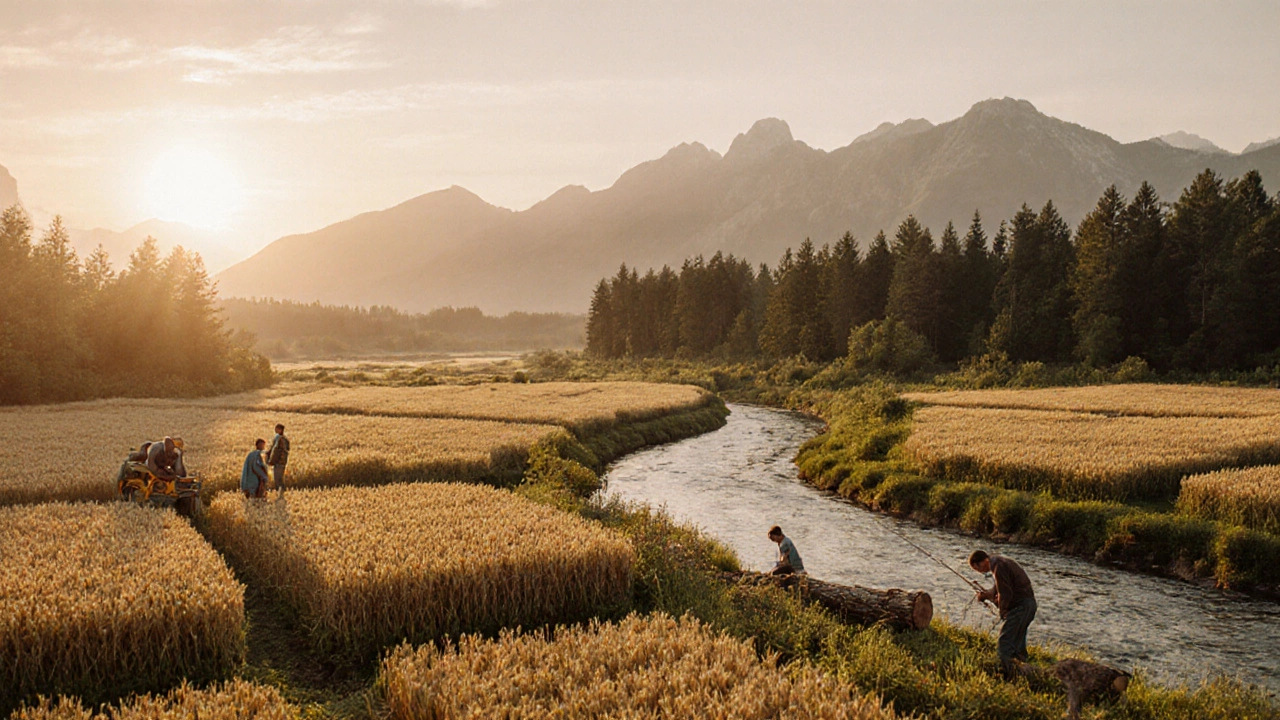
There are two main types: terrestrial ecosystems, land-based systems like forests, grasslands, and wetlands that filter air and store carbon, and aquatic ecosystems, water-based systems like rivers, lakes, and oceans that provide drinking water, fish, and climate regulation. These aren’t just "nature"—they’re infrastructure. A forest absorbs rainwater so your streets don’t flood. Wetlands clean pollution from runoff before it reaches your tap. Bees pollinate crops that feed your family. Without these services, you’d pay thousands more for water treatment, air filters, and food imports.
And here’s the thing: environmental groups don’t just protect animals. They protect these services. Groups like Greenpeace and the Sierra Club fight to keep forests standing, rivers flowing, and wetlands intact—not because they love trees for their beauty, but because losing them means losing clean water, stable weather, and food security. The same groups pushing for climate action are also defending the very systems that keep you alive.
You don’t need to be a scientist to care. When you support a local food bank, you’re indirectly relying on healthy soil and pollinators. When you volunteer for a neighborhood clean-up, you’re helping aquatic ecosystems stay alive. When you choose to donate to a trustworthy charity, you’re backing the people who track and protect these services before they collapse.
What you’ll find below are real stories—how communities in New Zealand, Bangladesh, and Oregon are fighting to preserve these invisible lifelines. You’ll see how volunteering connects to ecosystem health, how charity funding protects watersheds, and why the biggest threat to humans isn’t war or disease—it’s the quiet breakdown of nature’s support system. These aren’t abstract ideas. They’re daily realities for millions. And they’re yours too.
The 4 Core Categories of Environmental Services Explained
Explore the four main categories of environmental services, their benefits, examples, and why they matter for people and the planet.
DetailRelated Posts