Biomes: What They Are and Why They Matter for Environmental Groups
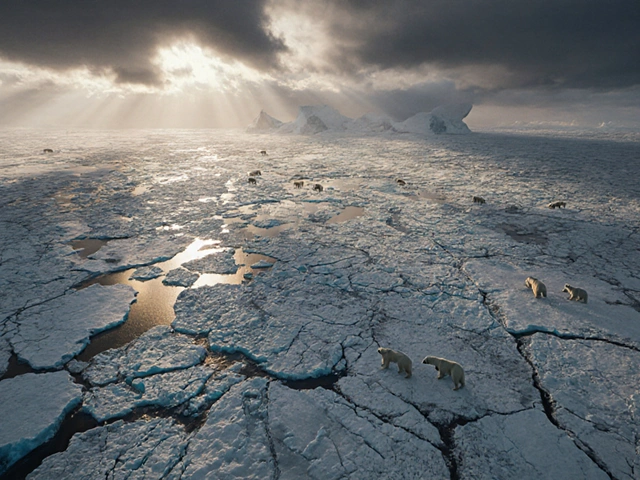
When we talk about biomes, large ecological regions defined by climate, vegetation, and wildlife. Also known as ecological zones, they are the backbone of life on Earth—ranging from tropical rainforests to arctic tundras, each supporting unique plants, animals, and natural processes that keep the planet alive. These aren’t just maps on a textbook. Biomes are the real-world stages where environmental groups do their work—restoring wetlands, protecting coral reefs, fighting deforestation, and pushing for climate policies that match the scale of the ecosystems they protect.
Environmental groups don’t just care about animals or trees—they care about entire systems. That’s why ecosystem services, the natural benefits humans get from healthy environments, like clean water, pollination, and carbon storage are at the heart of every successful campaign. When a group in Bangladesh restores mangrove forests, they’re not just planting trees. They’re rebuilding a coastal biome that shields villages from storms, filters pollution, and feeds local fisheries. Same goes for the Sierra Club protecting Oregon’s old-growth forests: they’re defending a biome that locks away carbon, cools the region, and shelters endangered species. These aren’t abstract goals—they’re survival tactics.
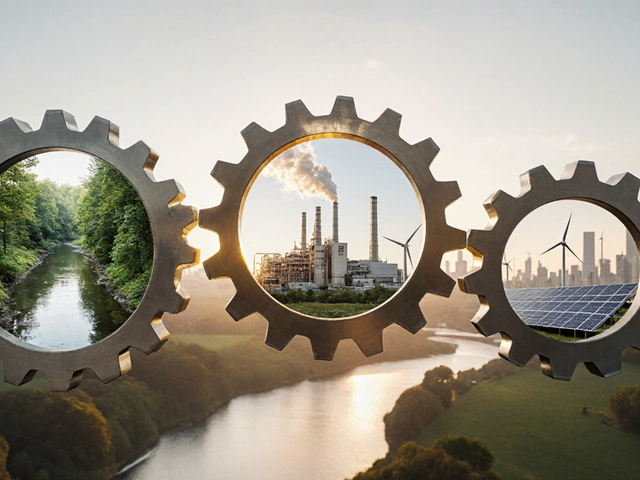
And when you look at the biggest threats today, you’ll see they all connect back to biomes. climate change, the global shift in temperature and weather patterns driven by human activity is breaking apart biome boundaries. Deserts are spreading. Forests are burning. Oceans are acidifying. That’s why the most effective environmental groups today don’t just react to disasters—they protect entire biomes before they collapse. They know that saving a single species isn’t enough. You have to save the place it lives in.
That’s why the posts here focus on real groups doing real work—whether it’s tracking how much food a community gets from a restored wetland, or calling out billionaires who ignore the science behind biome collapse. You’ll find stories about local efforts in New Zealand, big-name organizations like Greenpeace, and the quiet heroes restoring prairies in Canada. Every post ties back to one thing: biomes aren’t just places. They’re lifelines. And if we lose them, we lose everything that depends on them.
Below, you’ll find clear, no-fluff guides on how environmental groups use biomes to drive change—what works, what doesn’t, and how you can help protect them before it’s too late.
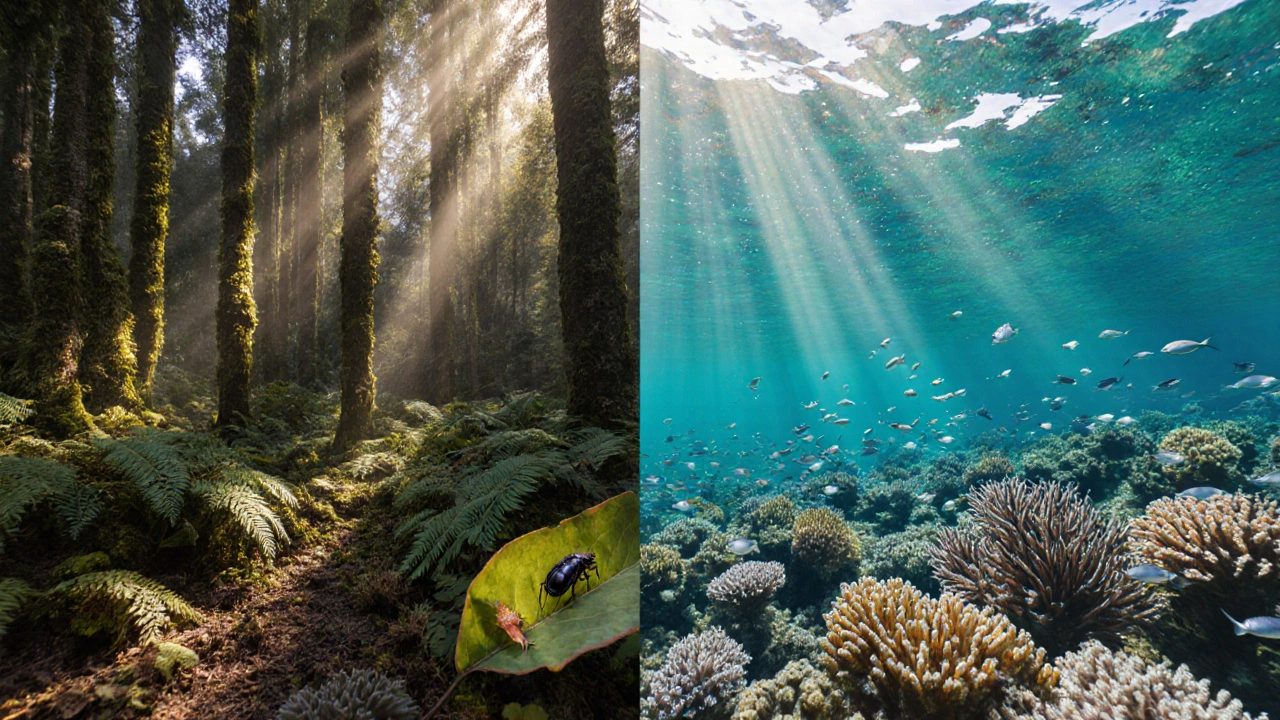
Two Main Ecosystem Groups Explained - Terrestrial vs Aquatic
Learn the two main ecosystem groups-terrestrial and aquatic-through clear definitions, examples, a side‑by‑side comparison, and practical conservation tips.
DetailRelated Posts