Biodiversity Loss: What It Is, Why It Matters, and Who’s Fighting It
When we talk about biodiversity loss, the rapid decline in the variety of life on Earth, from insects to forests to coral reefs. It's not just about losing animals—it's about breaking the web that keeps air clean, water safe, and food growing. This isn't a distant problem. It’s happening in your backyard, your local park, and the rivers near your town. Every time a species disappears, it weakens the systems that hold up our food supply, our medicine, and even our climate stability.
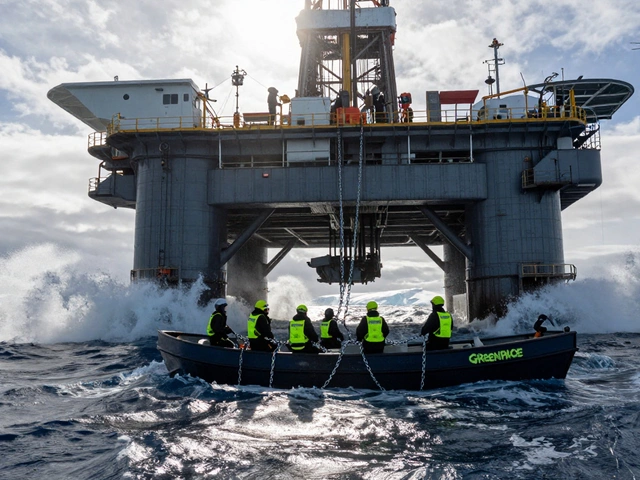
Ecosystem services, the natural processes that support human life—like pollination, water filtration, and soil fertility are crashing because of biodiversity loss. Think of bees—without them, a third of the food we eat vanishes. Or wetlands—they don’t just look pretty, they soak up floods and filter pollution for free. These aren’t luxuries. They’re lifelines. And environmental groups, organizations like Greenpeace, WWF, and local community teams fighting to protect habitats are on the front lines. They’re not just raising awareness. They’re suing polluters, restoring rivers, planting native trees, and pushing for laws that actually work.
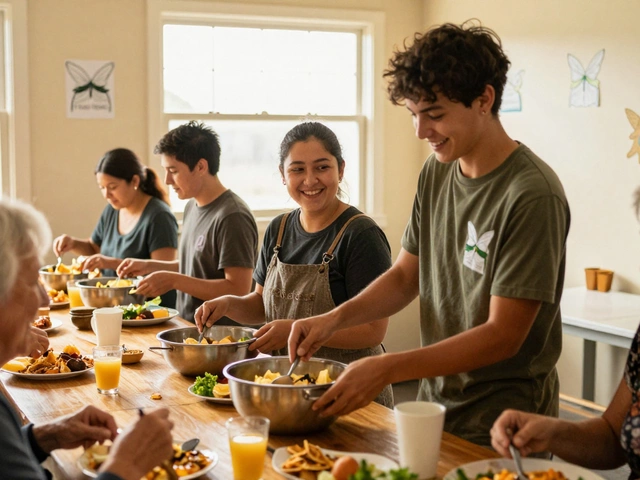
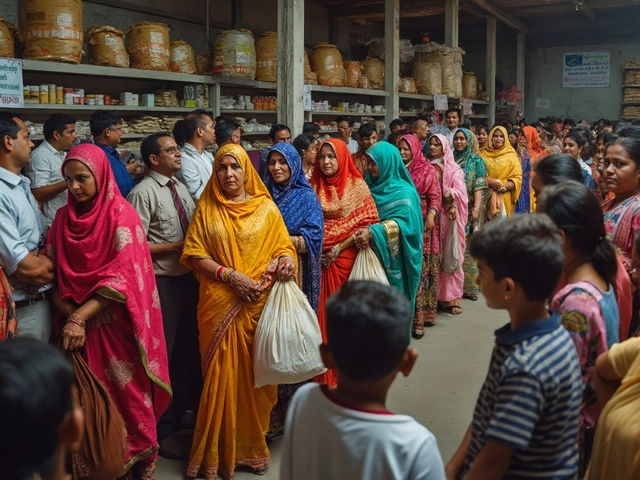
Biodiversity loss doesn’t happen in a vacuum. It’s tied directly to climate change, the global heating of the planet that pushes species beyond their survival limits. Warmer oceans kill coral. Droughts shrink forests. Cities swallow wildlife corridors. And when nature breaks down, the poorest communities pay the highest price—no clean water, no stable food, no buffer against storms. That’s why the most effective solutions aren’t just global. They’re local. Community groups in Bangladesh restoring mangroves. Volunteers in Oregon planting native grasses. Activists in South Africa stopping illegal logging. These aren’t side projects. They’re survival tactics.
You’ll find real stories here—not theory, not fluff. Posts that show you exactly how environmental groups are winning fights, what’s actually working on the ground, and how even small actions add up. You’ll learn which charities use your money wisely to protect ecosystems, how volunteering connects to bigger change, and why saving a single wetland can mean saving a whole region. This isn’t about feeling guilty. It’s about seeing the map—and knowing where to step in.
What Is the #1 Environmental Problem Today?
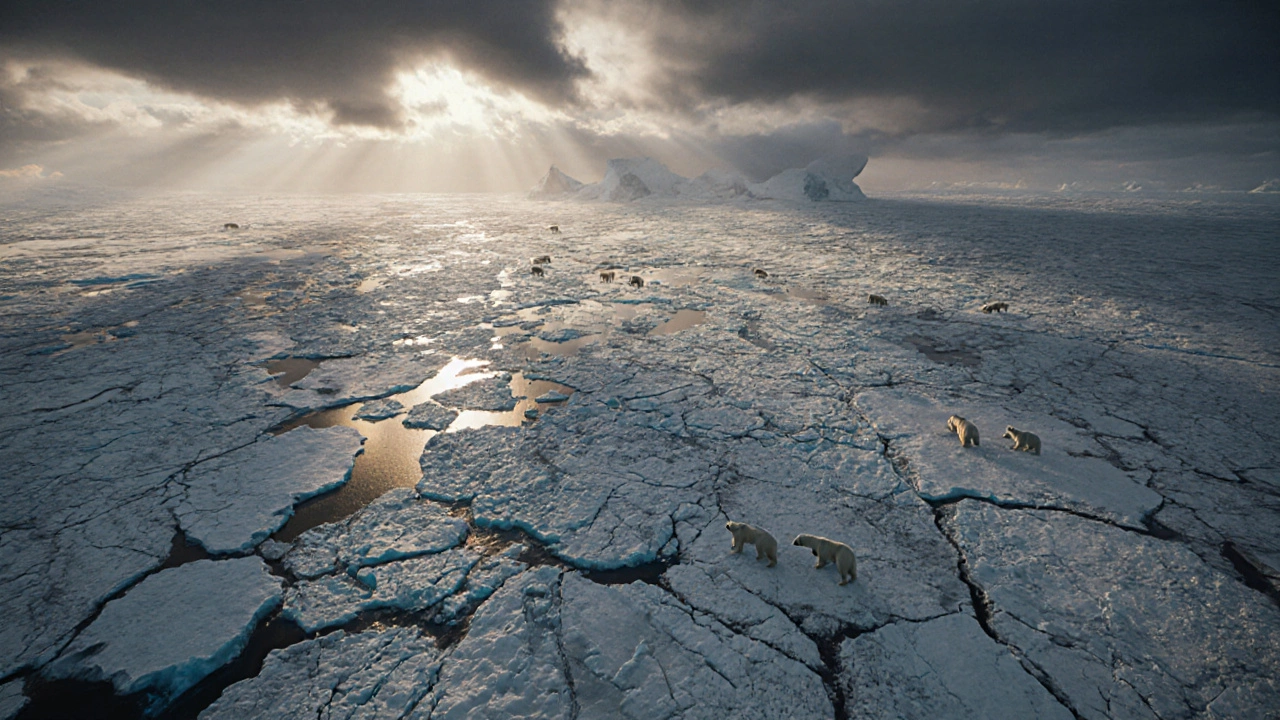
Climate change is the #1 environmental problem because it drives mass extinctions, extreme weather, ocean acidification, and ecosystem collapse. Everything else-from plastic pollution to deforestation-is worsened by it.
DetailRelated Posts