Air Quality: What It Is, Why It Matters, and How Communities Are Fighting Back
When we talk about air quality, the condition of the air around us in terms of pollution levels and its impact on health and the environment. Also known as atmospheric quality, it's not just a scientific term—it's the air you breathe every morning, the haze over your city, and the reason your kid can't play outside on some days. Poor air quality isn't a distant problem. It’s in the coughs of elders, the asthma spikes in schoolchildren, and the days when even walking to the store feels like a chore.
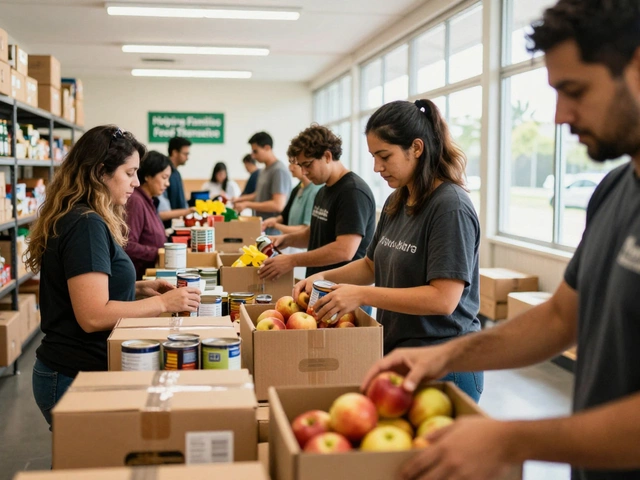
Environmental groups, organizations that work to protect nature and human health from pollution and ecological damage. Also known as eco-advocacy groups, they’re the ones measuring pollution, filing lawsuits against polluters, and pushing for cleaner factories and electric buses. You’ve probably heard of Greenpeace or the Sierra Club, but dozens of smaller groups are doing the real work—testing air near schools, organizing tree-planting drives, and demanding better monitoring from local governments. These aren’t just activists. They’re neighbors with data, clipboards, and a refusal to accept dirty air as normal.
Climate change, the long-term shift in global weather patterns caused by human activities, especially burning fossil fuels. Also known as global warming, it’s not just about rising temperatures—it’s about worsening air quality. Heat traps pollutants closer to the ground. Wildfires, made worse by drought and heat, dump smoke across entire regions. Pollen seasons are longer, making allergies worse. You can’t fix air quality without tackling climate change, and you can’t fix climate change without fixing how we power our homes, cars, and industries.
What’s Really in the Air?
It’s not just smoke and dust. Bad air includes fine particles (PM2.5), ozone, nitrogen dioxide from traffic, and chemicals from factories. These don’t just irritate lungs—they’re linked to heart disease, stroke, and early death. The World Health Organization says 99% of the world’s population breathes air that exceeds safe limits. That’s not a statistic—it’s your street, your park, your child’s playground.
Some communities have better air than others. Wealthy neighborhoods often have cleaner air because they’re farther from highways and factories. Low-income areas? They’re right next to them. This isn’t random—it’s environmental injustice. And that’s why local groups are stepping up. They’re not waiting for federal action. They’re buying air monitors, sharing real-time data on Facebook, and showing up at city council meetings with graphs and stories.
You don’t need to be a scientist to care. You just need to notice when the sky looks gray, when your eyes burn after walking outside, or when your neighbor’s kid needs an inhaler more than a lunchbox. That’s air quality. And it’s changing—not because of big tech or distant policies, but because people are finally speaking up, testing the air, and refusing to stay silent.
Below, you’ll find real stories from people who’ve turned concern into action—whether it’s fighting a new power plant, starting a community clean-air campaign, or simply learning how to protect their family on bad air days. These aren’t abstract ideas. They’re actions. And they’re working.
Do Your Surroundings Affect You? Science-Backed Ways to Shape Your Space and Mood
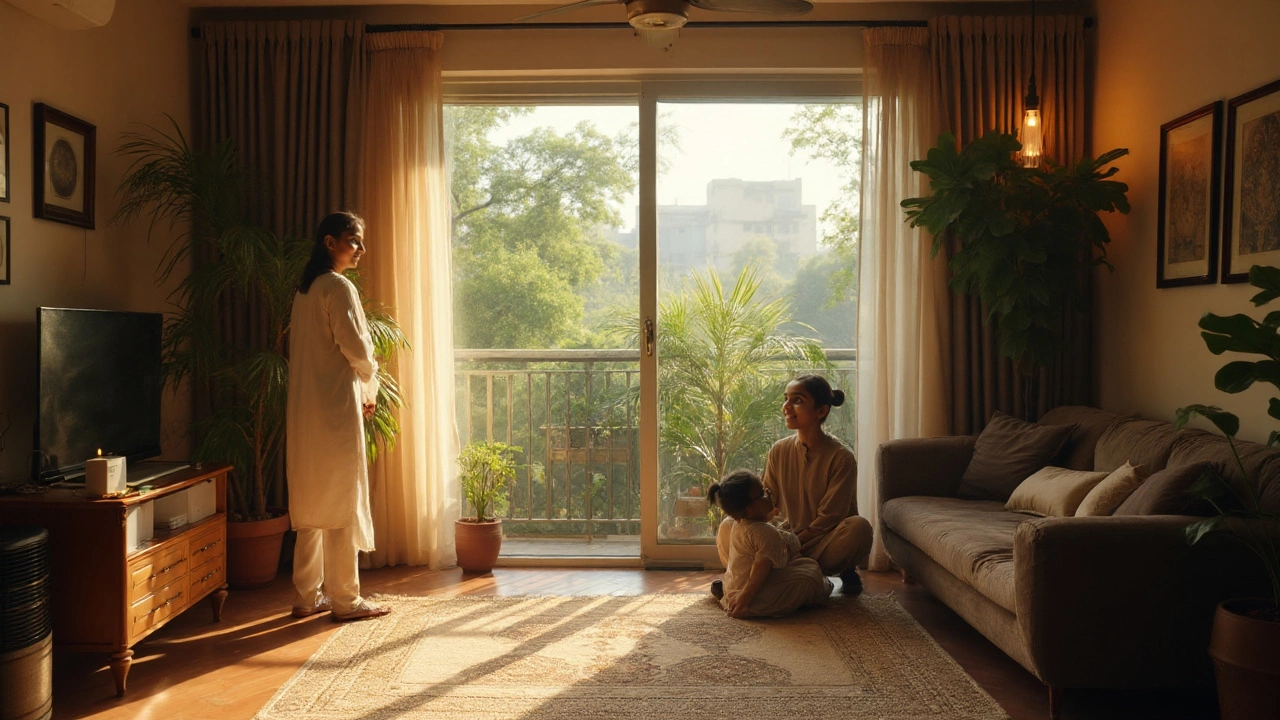
Yes-surroundings change mood, focus, and health. See how air, noise, light, and community shape wellbeing, plus practical steps to fix home, work, and street environments.
DetailRelated Posts