Mental Health: Understanding Genetics, Environments, and Where to Find Help
When we talk about mental health, the state of your emotional, psychological, and social wellbeing that affects how you think, feel, and handle stress. Also known as psychological health, it’s not just something you have or don’t have—it’s shaped by what’s in your genes, what’s around you, and what support is actually available.
Genetic mental illness, the increased risk of conditions like depression, bipolar disorder, or schizophrenia passed down through family lines doesn’t mean you’re doomed. It just means your brain might start from a slightly different place. Studies show people with a close relative who has bipolar disorder are up to ten times more likely to develop it themselves—but that still means most won’t. The same goes for depression and schizophrenia. Your genes load the gun, but your environment pulls the trigger. That’s why environmental psychology, the study of how physical spaces like homes, neighborhoods, and workplaces influence mood and behavior matters just as much. Poor air quality, constant noise, lack of green space, or isolation in your neighborhood can worsen anxiety and depression. On the flip side, a quiet room with natural light, a walkable street, or even a single friendly neighbor can help you breathe easier.
And here’s the hard truth: knowing what’s wrong isn’t enough if you can’t get help. That’s where mental health resources, tools, services, and organizations that provide therapy, crisis support, education, or advocacy for people struggling with mental health come in. Some are big and well-funded. Others are small, local, and barely known—like the rare mental health charities run by survivors, for survivors. These groups often fill gaps no government program touches: helping people with uncommon conditions, offering peer support in rural areas, or translating care into languages mainstream services ignore. In places like Texas, where mental health rankings lag behind national averages, these local efforts aren’t just nice—they’re lifelines.
What you’ll find below isn’t theory. It’s real stories and straight facts: how your family history connects to your mood, how your apartment or street corner affects your anxiety, and where to find actual help—even if you’re in a place where help feels hard to find. No fluff. No jargon. Just what you need to understand your mental health better—and what to do next.
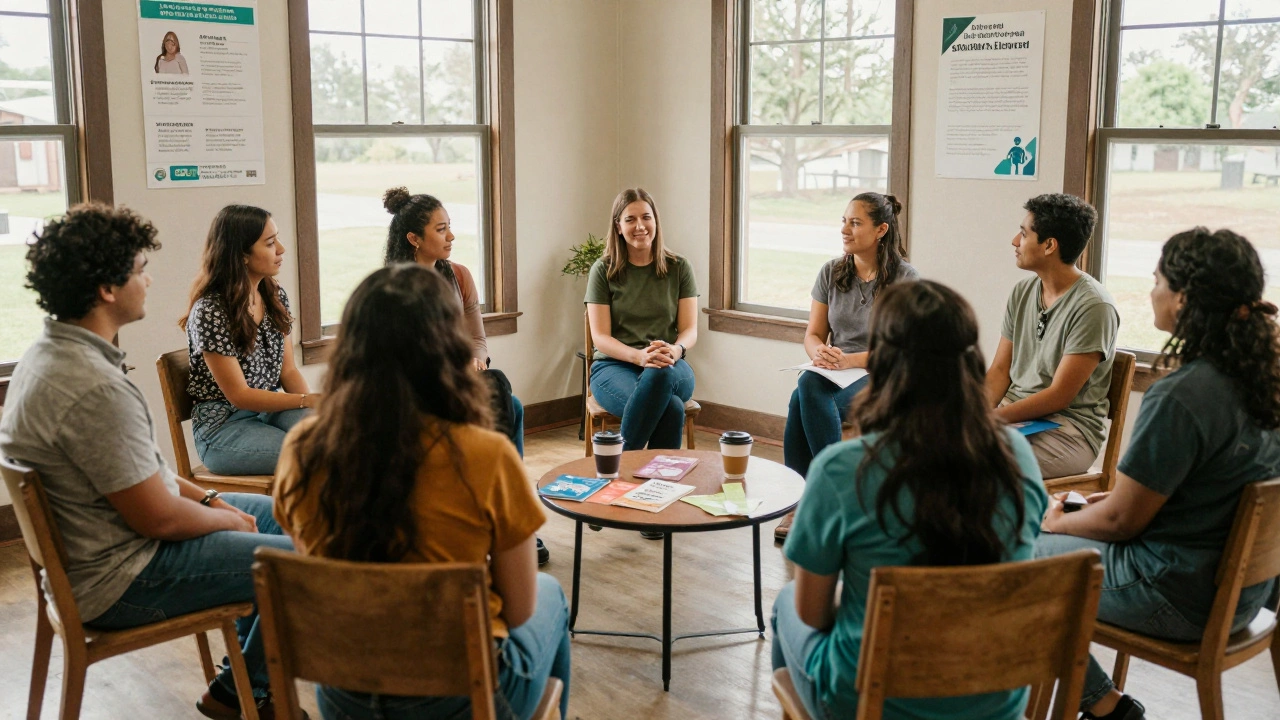
What foundations support mental health in Texas?
Texas has a network of foundations and nonprofits working to make mental health care accessible-from rural clinics to telehealth and peer support. Learn which organizations are filling gaps in care and how you can help.
Detail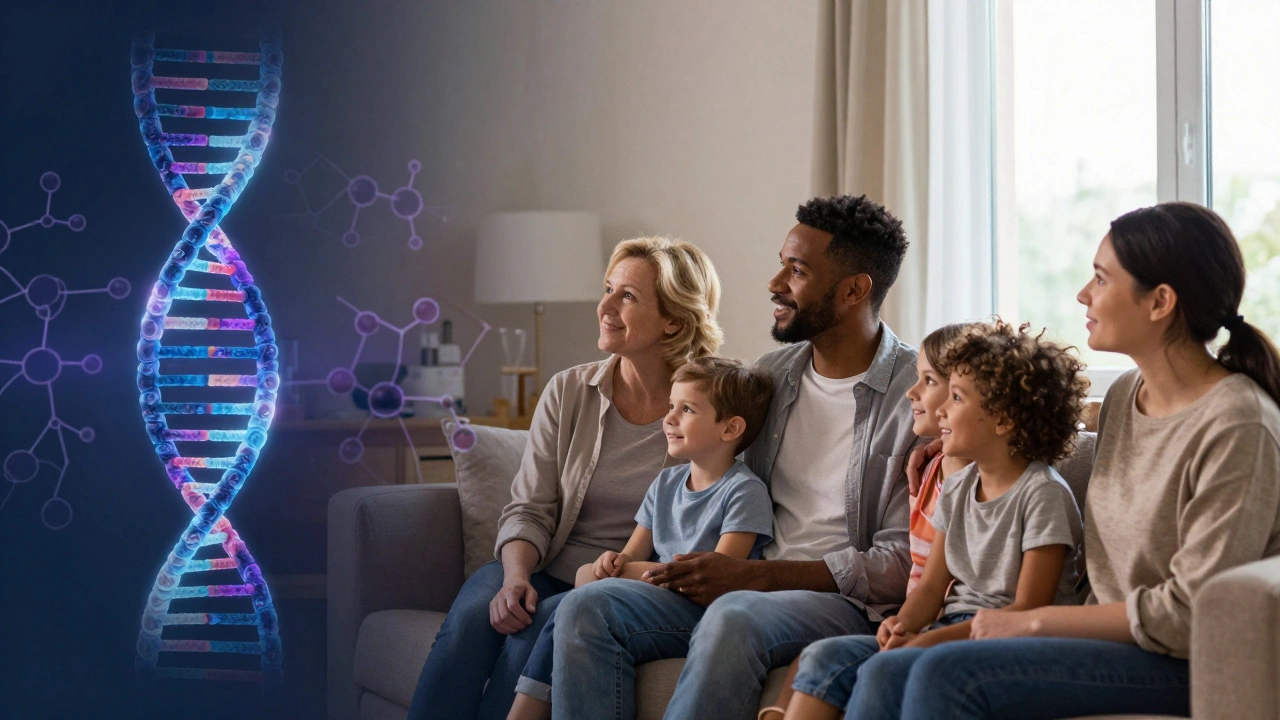
What mental illnesses are genetic? Understanding the science behind inherited mental health conditions
Genetics play a role in depression, bipolar disorder, schizophrenia, and other mental illnesses, but they don't determine your fate. Learn how inherited risk works-and what you can do to protect your mental health.
Detail
Do Your Surroundings Affect You? Science-Backed Ways to Shape Your Space and Mood
Yes-surroundings change mood, focus, and health. See how air, noise, light, and community shape wellbeing, plus practical steps to fix home, work, and street environments.
Detail
Texas Mental Health Help: Where Does the State Rank and Why It Matters
Texas has a big population, but when it comes to mental health help, the state doesn't always stand out for the best reasons. This article breaks down where Texas ranks nationally and why so many people still fall through the cracks. You’ll find straightforward facts, hard numbers, and practical tips for anyone looking to understand or access mental health resources in Texas. We’ll also look at which charities and programs can actually help if you or someone you care about is struggling. Think of this as a real-world guide, focused on real-life solutions.
Detail
Discovering Rare Mental Health Charities: Making a Difference
Rare mental health charities often go unnoticed, yet they play a crucial role in supporting those with uncommon mental health challenges. These organizations provide specialized resources, creating a safety net for individuals who might otherwise fall through the cracks. They not only raise awareness but also pioneer innovative approaches tailored to unique needs. Exploring these charities reveals inspiring stories and new opportunities for making a real impact.
Detail