After-School Snack Optimizer
Is your child experiencing the "3 PM Crash"? Use this tool to estimate their caloric deficit and find the perfect protein-fiber-fat combo to stabilize their mood and energy until dinner.
Child Profile & Context
Enter details and click "Analyze Needs" to see recommendations.
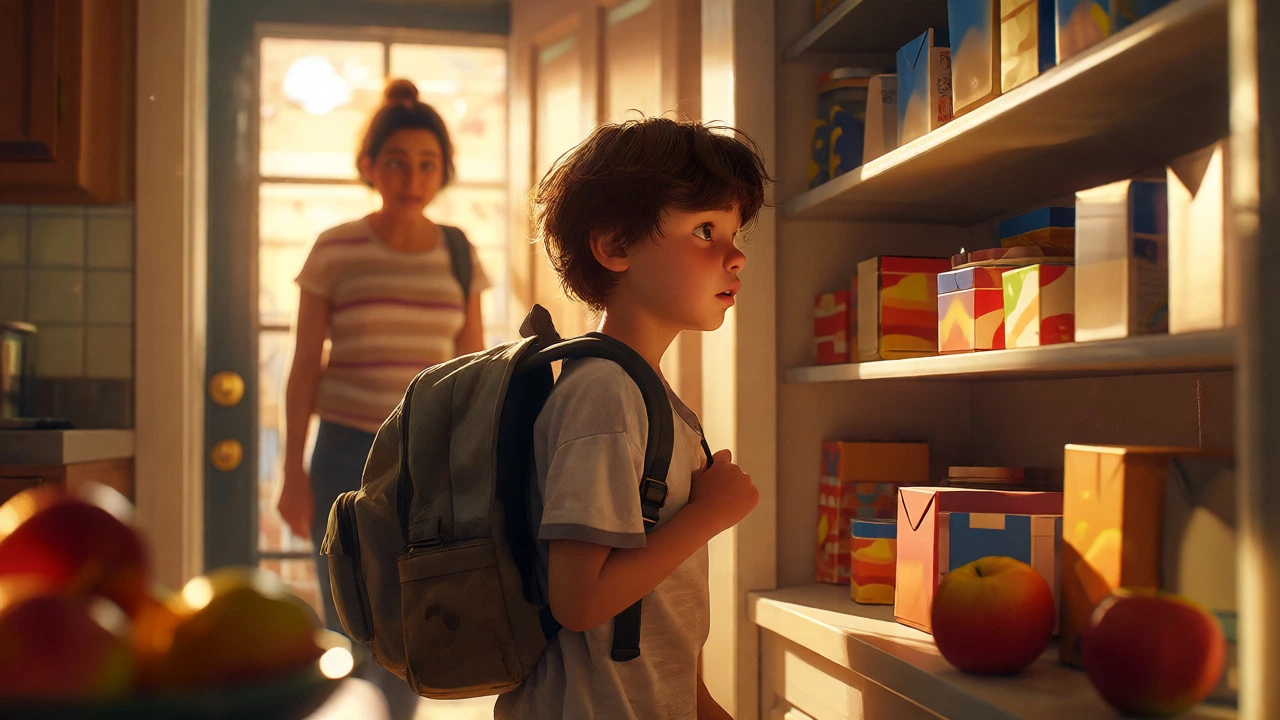
You know the scene. Your kid walks through the door at 3:15 PM, drops their backpack with a thud that echoes through the hallway, and immediately asks for food. Not just any food-they want the biggest, crunchiest, most carb-heavy thing in the pantry. You might think they’re just being dramatic or trying to manipulate you into buying more chips. But here’s the truth: your child isn’t faking it. Their body is genuinely screaming for fuel.
It feels like they ate breakfast two hours ago. How can they be starving? The answer lies in biology, not bad behavior. After-school hunger is a physiological response to a combination of rapid growth rates, high cognitive demand, and blood sugar fluctuations. Understanding why this happens helps you stop fighting the snack battle and start supporting your child’s energy needs with smarter choices.
The Biology Behind the Hangry Hour
Kids are not small adults. Their metabolic engines run hotter and faster than yours do. While an adult might go four or five hours between meals without feeling weak, a child’s physiology is different. During school hours, their brains are working overtime. Learning new concepts, navigating social dynamics, and sitting still requires significant glucose-the primary fuel source for the brain.
If breakfast was eaten at 7:00 AM, by 3:00 PM, eight hours have passed. For a growing child, that is a long time without refueling. Furthermore, many school lunches are heavy in refined carbohydrates-think white bread, pasta, or pizza crust. These foods cause a quick spike in blood sugar followed by a sharp drop. This crash triggers the release of cortisol and adrenaline, stress hormones that make your child feel shaky, irritable, and intensely hungry. It’s not just appetite; it’s a survival signal from their body demanding immediate energy restoration.
Growth Spurts and Caloric Demands
If your child seems insatiable, check their pants length. Rapid physical growth requires massive amounts of energy. During peak growth spurts, which often occur between ages 9-14, children may need an additional 300-500 calories per day above their baseline needs. This extra energy doesn’t just go into height; it fuels bone density increases, muscle development, and hormonal changes.
Think of it like a construction site. If you’re building a skyscraper, you need constant deliveries of steel and concrete. If the trucks stop coming, the work halts. When a child hits a growth spurt, their body is under construction. Ignoring these hunger cues can lead to fatigue, poor concentration, and even stunted growth over time. Instead of viewing the after-school snack as a "treat," view it as a necessary material delivery for their developing bodies.
The Role of Cognitive Load and Stress
School is mentally exhausting. We often underestimate the cognitive load placed on children today. They are processing information, switching tasks, managing emotions, and dealing with social pressures-all while trying to sit still. The brain consumes about 20% of the body’s total energy, despite making up only 2% of its weight. For a child who is learning to read complex texts or solving algebra problems, that percentage effectively rises.
When mental energy depletes, the body seeks the quickest source of replenishment: simple sugars. This is why kids often crave candy or juice boxes rather than an apple. Their brains are asking for a fast fix. However, relying solely on quick fixes creates a vicious cycle. A sugar rush leads to a crash, which leads to more cravings. Breaking this cycle requires strategic snacking that provides sustained energy rather than a fleeting spike.

What Makes a Perfect After-School Snack?
The goal isn’t to fill them up so much that they ruin dinner. The goal is to bridge the gap. A balanced snack should combine three elements: protein, fiber, and healthy fats. This trio slows down digestion, keeping blood sugar stable for longer periods.
| Snack Type | Nutritional Impact | Energy Duration | Dinner Impact |
|---|---|---|---|
| Candy Bar / Cookies | High sugar, low nutrient density | Short (30-60 mins) | Low (may kill appetite later) |
| Fruit Alone | Natural sugar + some fiber | Medium (1-2 hours) | Moderate |
| Protein + Fiber Combo | Balanced macronutrients | Long (2-3 hours) | High (keeps hunger at bay) |
| Chips / Pretzels | Refined carbs, salt | Short-Medium | Variable |
Notice the difference in duration. A protein-fiber combo keeps them steady until dinner time. Here are some easy, no-prep ideas that hit the mark:
- Apple slices with peanut butter: The fat and protein in the nut butter slow the absorption of the fruit’s natural sugars.
- Greek yogurt with berries: High in protein and probiotics, which support gut health-a key player in mood regulation.
- Cheese stick and whole-grain crackers: Provides calcium for bones and complex carbs for steady energy.
- Hard-boiled eggs: Portable, packed with choline (great for brain health), and highly satiating.
- Hummus and carrot sticks: Crunchy, satisfying, and rich in plant-based protein and fiber.
Hydration Mistakes That Mimic Hunger
Before you hand over the granola bar, offer a glass of water. Thirst signals are easily confused with hunger signals, especially in children. Many schools restrict water bottle access during certain times, leading to mild dehydration by mid-afternoon. Dehydration causes fatigue and irritability, which kids interpret as "I need food."
Try this rule: Water first, then snack. Wait five minutes. If they’re still hungry, feed them. Often, rehydrating solves half the problem. If they drink a liter of water and still want food, trust their hunger. Their body knows what it needs.

How After-School Clubs Change the Equation
If your child participates in after-school clubs or sports, their caloric needs skyrocket. Soccer practice, drama rehearsals, or robotics competitions add physical exertion to their already taxed systems. A child playing soccer for an hour burns significantly more calories than one sitting in detention.
Timing matters here. If practice ends at 5:30 PM and dinner is at 6:30 PM, a heavy snack at 3:30 PM might spoil their appetite for the main meal. In these cases, split the snack. Give a small portion (like half a banana) before leaving for club activities, and a larger recovery snack (like a turkey roll-up) immediately after practice. This approach prevents the pre-practice slump and avoids post-practice ravenousness.
Parenting Strategy: The 15-Minute Reset
Instead of reacting to the chaos when they walk in, try a proactive approach. Create a "transition zone" in your kitchen. Have pre-portioned snacks ready in labeled bins. Let your child choose from two healthy options rather than asking "Do you want a snack?" This gives them autonomy and reduces decision fatigue.
Also, consider the environment. If they come home stressed from school, eating while scrolling through tablets or watching TV can lead to mindless overeating. Encourage ten minutes of decompression-maybe change clothes, listen to music, or play outside-before eating. This pause allows cortisol levels to drop, helping them recognize true hunger versus emotional comfort-seeking.
Is it normal for my child to eat constantly after school?
Yes, it is very common. Children have higher metabolic rates than adults and experience rapid growth phases. Additionally, school days involve intense cognitive activity that depletes glucose stores. As long as they are gaining weight along a healthy curve and eating balanced meals, frequent hunger is usually a sign of healthy development, not a disorder.
Should I limit snacks if my child is overweight?
Don't eliminate snacks entirely, but focus on quality. Replace calorie-dense, nutrient-poor options (like chips or cookies) with nutrient-dense alternatives (like vegetables with hummus or Greek yogurt). Restrictive dieting can backfire, leading to binge eating later. Focus on stabilizing blood sugar with protein and fiber rather than cutting calories drastically.
How does sleep affect after-school hunger?
Poor sleep disrupts the hormones that regulate appetite. Lack of rest increases ghrelin (the hunger hormone) and decreases leptin (the fullness hormone). If your child stays up late gaming or using screens, they will likely wake up tired and crave high-energy foods all day, including the afternoon. Prioritizing 9-11 hours of sleep can significantly reduce excessive snacking.
What if my child refuses healthy snacks?
Involve them in the process. Take them grocery shopping and let them pick out new fruits or nuts. Present snacks in fun ways, such as making "antennae" with grapes or arranging cheese cubes creatively. Also, ensure they aren't too full from lunch. Sometimes refusal is due to texture issues or simply not liking the specific brand offered. Keep offering varied options without pressure.
Can screen time cause false hunger?
Yes. Boredom and stress from video games or social media can trigger oral fixation habits that mimic hunger. Children often snack while watching screens because it provides sensory stimulation. Try separating eating from screen time. Serve snacks at the table without devices. If they finish eating and ask for more, wait ten minutes to see if the urge passes.