Food Security Action Planner
Select the options that best describe your current situation to receive a prioritized action plan.
Your Prioritized Action Plan
- Wellington City Mission: Daily meals & grocery parcels
- Community Food Aotearoa: National network of 150+ food banks
- Countdown/New World: Ask managers about food rescue bins
- Oranga Tamariki: Family welfare support (0800 555 555)
- Plunket: Nutrition advice for families with young children
It is a terrifying feeling. The fridge is empty, the wallet is light, and the next paycheck is days away. You are not just hungry; you are stressed, tired, and worried about how you will feed yourself or your family tonight. This isn't just a hypothetical scenario for many people living in cities like Wellington, the capital city of New Zealand known for its windy climate and vibrant community support networks. When money runs out, hunger doesn't wait. But there are ways to survive this gap. You do not have to starve. There are resources, strategies, and even wild foods that can keep you fed when you have absolutely nothing.
Immediate Relief: Accessing Free Food Networks
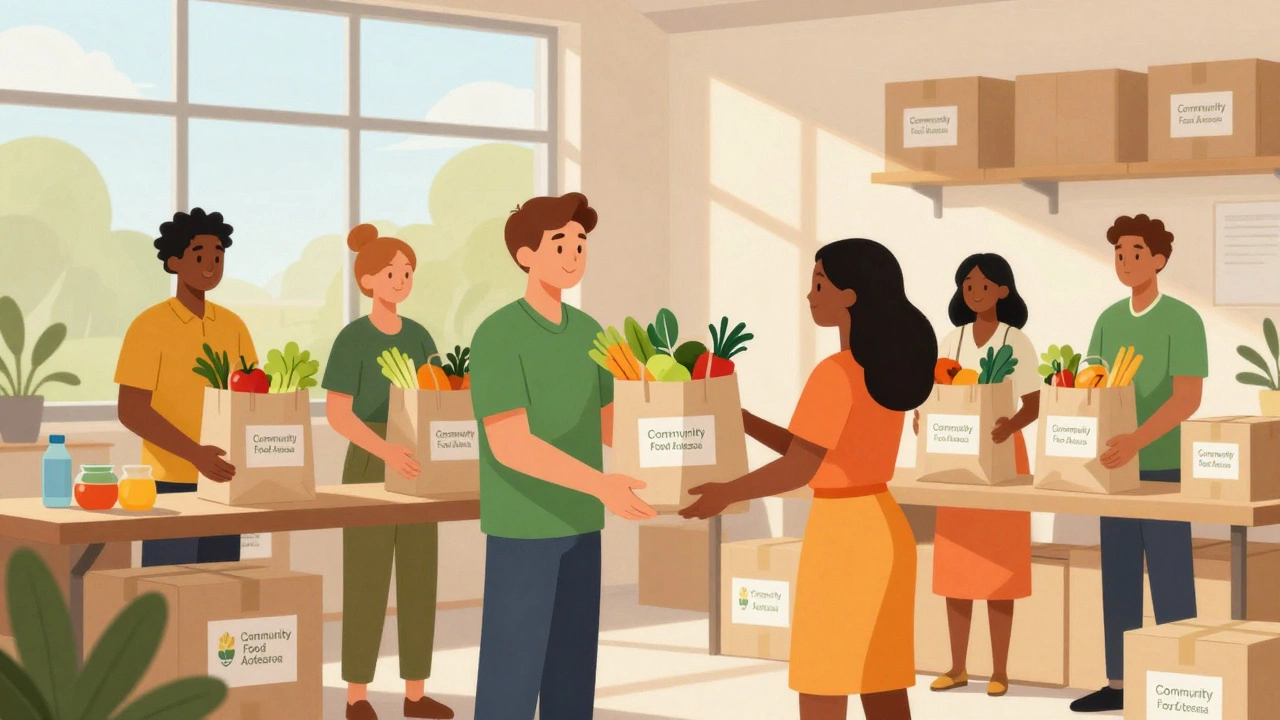
The first step when you hit rock bottom is to stop trying to solve the problem alone. Shame often keeps people from asking for help, but hunger is a biological need, not a moral failing. In New Zealand, the network of Food Banks, community-based organizations that provide free groceries to individuals and families in financial distress is robust and ready to assist. Organizations like Community Food Aotearoa, a national network coordinating over 150 local food banks across New Zealand to reduce food waste and hunger connect you with local providers who can offer immediate grocery bags.
You don't need to jump through hoops to get help. Most food banks operate on a "no questions asked" basis. They know that dignity is fragile when you are struggling. Here is what you should do right now:
- Locate your nearest provider: Use online directories or call local community centers. In Wellington, places like the Wellington City Mission, a charitable organization providing food, shelter, and support services to vulnerable residents in Wellington offer daily meals and grocery parcels.
- Visit during off-peak hours: If possible, go early in the morning or mid-afternoon. Lines are shorter, and staff have more time to explain other available resources.
- Ask about meal programs: Many food banks also run soup kitchens or community dinners. These provide hot, cooked meals which are easier to digest when you haven't eaten in a while than raw groceries.
Another critical resource is Supermarket Food Rescue, initiatives where stores donate unsold but safe food to charities instead of throwing it away. Stores like Countdown, a major New Zealand supermarket chain owned by Woolworths Group and New World, a prominent New Zealand supermarket brand operated by Foodstuffs North/South often have agreements with local charities. Ask your local store manager if they have a "food rescue" bin or partner charity. Sometimes, produce that is slightly bruised but perfectly edible is set aside for donation.
Foraging: Nature’s Pantry (With Caution)
If you cannot access a food bank immediately, nature might offer a temporary solution. Foraging-gathering wild plants, fruits, and nuts-is an ancient skill that can supplement your diet. However, this requires knowledge. Eating the wrong plant can make you very sick. Stick to plants you can identify with 100% certainty.
In New Zealand, several native and introduced species are safe and nutritious. Here are three reliable options:
- Pineapple Lilies (Urnula crateriformis, a native fungus found under beech trees, resembling small brown pineapples): Wait until they are fully mature and hard. Young ones can cause stomach upset. Cook them thoroughly before eating. They taste somewhat like chestnuts.
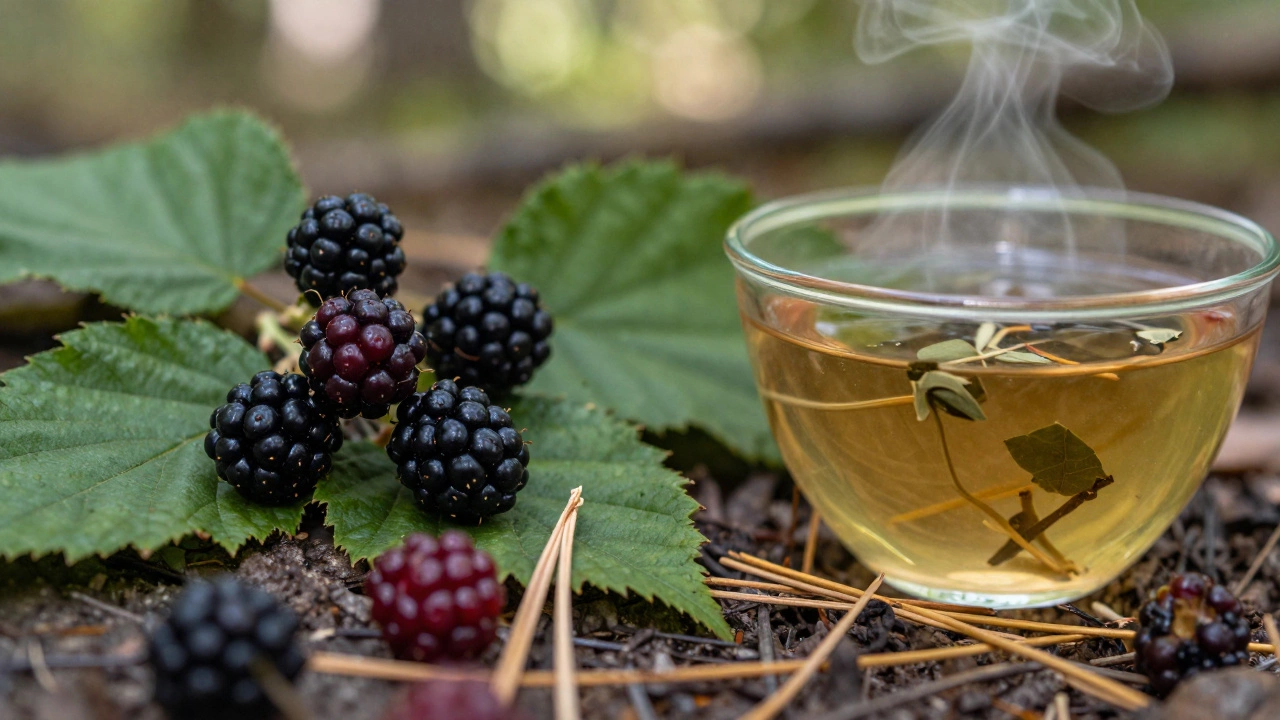
- Kawakawa Leaves: While not typically eaten raw as a meal, kawakawa leaves can be brewed into a strong tea. It has anti-inflammatory properties and can help soothe a nervous stomach caused by stress and hunger.
- Blackberries: Introduced blackberry bushes grow wildly along fences and roadsides. Look for ripe, dark purple berries. They are high in vitamin C and fiber. Wash them well before eating.
Avoid anything growing near busy roads due to pollution. Also, never eat mushrooms unless you are an expert. The risk of poisoning is too high. Focus on fruits and leafy greens that you recognize from gardening or cooking.
Zero-Cost Cooking: Stretching What You Have
When you have almost no ingredients, cooking becomes an art of maximization. Even a single potato or a handful of rice can become a meal if prepared correctly. The goal is to create volume and satiety with minimal input.
Consider these techniques:
- Broth from Scraps: If you have vegetable peels, onion skins, or stale bread, boil them in water for 30 minutes. Strain the liquid. This makes a savory broth that hydrates you and provides some minerals. Add salt if you have it.
- Soaking Dry Goods: Dried beans or lentils expand significantly when soaked. Soaking them overnight makes them softer and easier to digest. Even if you don't have fuel to cook them fully, soaking reduces the effort needed later.
- Water-Rich Meals: Make soups and stews rather than dry dishes. Water adds weight and volume to your stomach, making you feel fuller longer. A bowl of hot water with a little oil and salt is surprisingly comforting and provides calories.
Remember, hydration is as important as food. Dehydration mimics hunger. Drink plenty of water throughout the day. If tap water tastes bad, add a slice of lemon or cucumber if available to improve flavor without cost.
Community Resources Beyond Food
Hunger rarely exists in isolation. It usually comes with other stresses like rent arrears, medical bills, or job loss. Addressing these root causes can prevent future food insecurity. In Wellington, several organizations offer holistic support.
| Organization | Service Type | Contact Method |
|---|---|---|
| Oranga Tamariki | Family and child welfare support | Phone: 0800 555 555 |
| Community Law Centre | Free legal advice for housing and benefits | Online booking via website |
| Plunket | Health and nutrition advice for families with young children | Local clinic visits |
Legal aid can help you dispute unfair debts or negotiate with landlords. Financial counseling services can help you budget what little income you have. These services are free and confidential. Taking advantage of them can stabilize your situation so you don't end up back at square one next month.
Mental Health and Hunger
Being hungry affects your brain. It increases anxiety, irritability, and difficulty concentrating. This is called "hangriness," and it's real. Your body is in survival mode, releasing stress hormones like cortisol. Understanding this helps you manage your emotions. Don't blame yourself for feeling angry or sad. It's a physiological response.
To cope:
- Rest: Sleep conserves energy. When you're not eating enough, your body needs rest to function. Nap whenever you can.
- Connect: Talk to someone you trust. Isolation worsens mental health. Joining a community group, even just for a chat, can lift your spirits.
- Small Wins: Celebrate small achievements, like getting a meal or finding a resource. Progress feels slow, but every step counts.
Your worth is not defined by your bank balance. You are worthy of nourishment and care, regardless of your current circumstances.
Can I get free food without proof of income?
Yes, most food banks in New Zealand do not require proof of income. They operate on a self-declaration basis, trusting that those who ask are in genuine need. Simply visit the location and explain your situation.
Is it safe to eat wild plants in urban areas?
It depends on the location. Avoid plants near roads due to car exhaust and pesticides. Parks and gardens are safer bets. Always wash foraged items thoroughly and only eat what you can positively identify.
What if I have dietary restrictions?
Many food banks are aware of common allergies and dietary needs. Mention any restrictions when you collect your food. Some may have specific items like gluten-free bread or nut-free snacks available.
How long can I rely on food banks?
There is no limit. Food banks are designed for ongoing support. Use them as long as you need to stabilize your finances. They are not a short-term fix but a bridge to stability.
Are there free meals for children specifically?
Yes, schools often have breakfast clubs, and organizations like Plunket provide nutritional support for families with young children. Additionally, some churches and community centers offer weekend meal programs for kids.