Volunteer Availability Calculator
Based on the article's insights into time poverty and burnout, this tool estimates how many hours per month you can realistically dedicate to volunteering.
Did You Know?
- Double Incomes: Many families now need overtime just to survive, leaving zero bandwidth for service.
- The Gig Trap: Flexible work often erodes boundaries between "work" and "free" time.
- Travel Costs: Rising fuel costs make getting to a volunteer site a financial burden.
Source: Article analysis on time poverty trends.
Your Volunteer Profile
Analyzing...
Please wait.
For decades, we were told that giving back was the backbone of a healthy society. We signed up for soup kitchens, cleaned up parks, and mentored kids after school. But lately, the pews are emptier, the park cleanups have fewer hands, and nonprofits are scrambling to fill gaps that used to be covered by neighbors. You might be wondering: why is volunteering declining? It’s not just a feeling; it’s a measurable shift in how we live, work, and connect.
The numbers tell a stark story. In many Western nations, including New Zealand and the UK, volunteer hours per capita have dropped significantly over the last five years. This isn’t because people have become selfish overnight. It’s because the structure of our lives has changed fundamentally. We are busier, more exhausted, and increasingly skeptical of traditional institutions. If you’re looking to understand this trend-or if you’re an organization trying to adapt-you need to look beyond simple laziness and examine the economic, social, and psychological forces at play.
The Rise of Time Poverty and Economic Pressure
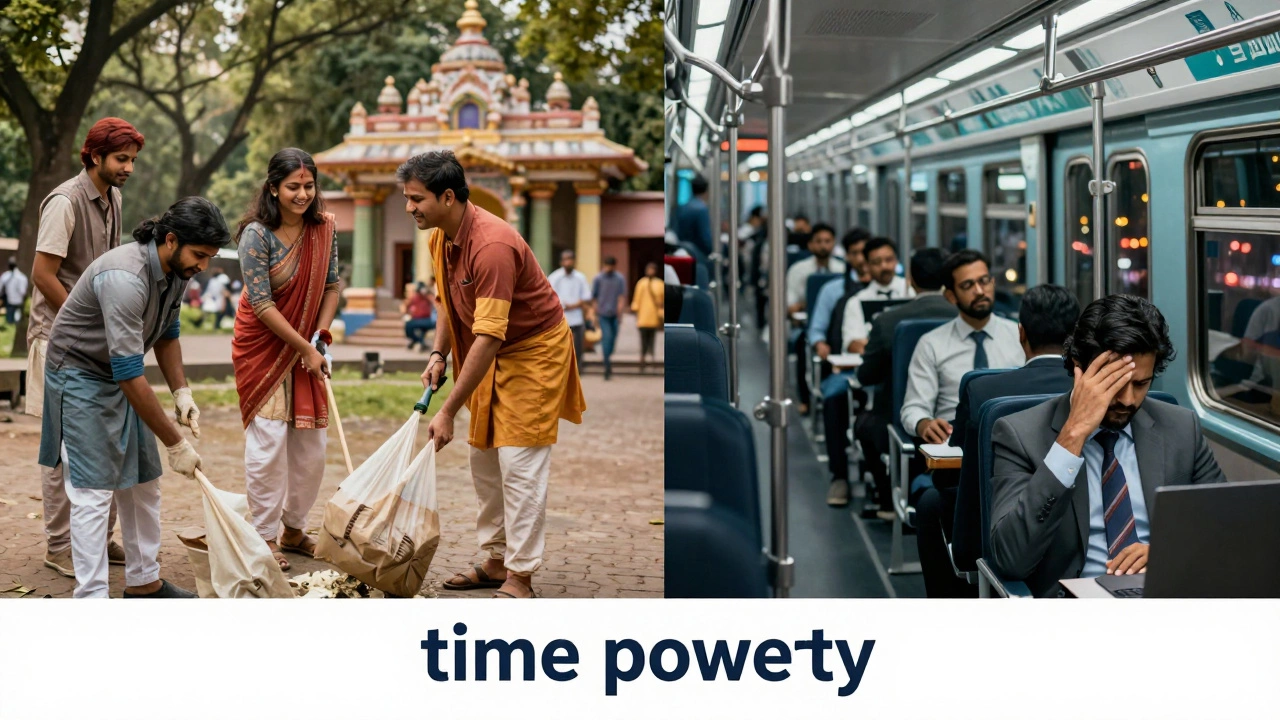
The biggest driver of the volunteering slump is simple: people don’t have free time anymore. Economists call this "time poverty." In 2016, having a spare hour on a weekend felt normal. Today, with the cost of living crisis hitting hard across the globe, that spare hour has been monetized.
Consider the reality for the average household in Wellington or London. Wages haven’t kept pace with inflation. Rent and groceries take up a larger slice of the paycheck than they did a decade ago. When your budget is tight, you can’t afford to give away your time for free. You might pick up a second job, drive for a delivery app, or freelance late into the night. Every hour spent volunteering is an hour not spent earning money to pay the bills.
- Double incomes are no longer enough: Many families now require two full-time jobs plus overtime to survive, leaving zero bandwidth for community service.
- The gig economy trap: Flexible work often means working whenever there is demand, eroding the clear boundary between "work time" and "free time."
- Commuting costs: With public transport strikes and rising fuel costs, traveling to a volunteer site becomes a financial burden, not just a time commitment.
This creates a vicious cycle. Nonprofits rely on volunteers to keep operating costs low. When volunteers leave, nonprofits struggle to deliver services. They then ask remaining volunteers to do more work, leading to further burnout and attrition. The system is eating itself.
Burnout and the "Always-On" Culture
Even if you have the money, do you have the energy? Modern life is exhausting. The concept of "burnout" has moved from a clinical term to a everyday descriptor for how most people feel. After eight hours of staring at screens, dealing with difficult clients, and navigating office politics, the idea of showing up to another organization with rigid expectations feels overwhelming.
We are suffering from decision fatigue. By the time we get home, we’ve made hundreds of micro-decisions. Asking someone to make one more commitment-to show up at 9 AM on Saturday to sort donations-requires mental energy that simply isn’t there. This is why "micro-volunteering" (small, online, flexible tasks) has seen a slight uptick while traditional long-term roles have crashed.
Furthermore, the pandemic left a lasting scar. Many people experienced severe caregiver fatigue during lockdowns. They cared for sick relatives, managed remote schooling, and isolated socially. Now, the thought of taking on more responsibility triggers a protective reflex. People aren’t saying "no" out of malice; they are saying "no" to preserve their mental health.
Skepticism Toward Institutions
There is also a growing distrust of large organizations. Younger generations, particularly Gen Z and Millennials, are highly critical of how charities operate. They want transparency. They want to know exactly where their effort goes. If a charity spends too much on administration or executive salaries, volunteers walk away.
In New Zealand, for example, there has been increased scrutiny on charitable trusts and their governance. People are asking: "Is this organization actually helping, or is it just perpetuating its own existence?" This skepticism extends to political polarization as well. Volunteering often happens through religious groups, unions, or political parties. As society becomes more divided, people are less likely to join groups that may hold views conflicting with their own. The neutral ground of community service is shrinking.
Is volunteering actually declining everywhere?
Not everywhere. While traditional, long-term volunteering is down, informal volunteering (helping neighbors directly) and digital volunteering are stable or growing. The decline is specific to structured, organizational roles.
How does the cost of living affect volunteering?
High living costs force people to prioritize paid work over unpaid service. Transportation costs and the opportunity cost of lost wages make volunteering financially inaccessible for lower-income households.
What is "time poverty"?
Time poverty refers to a situation where individuals lack sufficient discretionary time due to work, caregiving, and commuting. It is a primary reason why people cannot commit to regular volunteer schedules.
Are younger people less interested in volunteering?
Younger people are interested, but they prefer flexible, impact-driven, and short-term opportunities. They reject rigid, bureaucratic structures common in older nonprofits.
Can organizations fix the volunteering decline?
Yes, by offering flexible shifts, reimbursing travel costs, providing training, and demonstrating clear impact. Organizations must treat volunteers as partners, not free labor.