Free Event Profitability Calculator
Event Parameters
Revenue Streams
Financial Summary
Enter your event details and click calculate to see your projected financial impact.
Key Insights
- • Enter data to generate personalized insights for your event strategy.
You’re hosting a community clean-up, a local music festival, or an educational workshop. The admission price? Zero. You want everyone in your neighborhood to feel welcome, regardless of their bank balance. But here’s the hard truth: running an event costs money. Venues, permits, insurance, and marketing don’t pay themselves. So, how do you cover those costs-and ideally raise extra funds for your cause-when no one is buying a ticket?
The answer lies in shifting your mindset from "ticket sales" to "value exchange." Just because the audience isn’t paying doesn’t mean they aren’t providing value. More importantly, it means other stakeholders are willing to pay for access to that audience. By leveraging sponsorships, strategic partnerships, and smart on-site donation tactics, you can turn a free event into a robust revenue generator.
Understanding the Economics of Free Events
Before diving into tactics, we need to clarify what "making money off a free event" actually looks like for a charity organization a non-profit entity dedicated to social causes rather than profit generation. It rarely means walking away with cash in hand. Instead, it means offsetting operational costs so that every dollar raised through other channels goes directly to your mission. This is known as cost-recovery or break-even fundraising.
When you remove the barrier of entry (the ticket price), you increase attendance. Higher attendance increases visibility. Visibility attracts sponsors. Sponsors provide funding. That funding covers your costs. If you execute this well, you might even generate a surplus. The key metric here isn't just total revenue; it's the cost per attendee. If you can keep that low while maximizing sponsor contributions, your event becomes financially sustainable.
Leveraging Sponsorships as Your Primary Revenue Stream
Sponsorship is the engine that powers most successful free events. Businesses want exposure, and a free event draws a crowd. Your job is to package that crowd in a way that makes sense for local businesses. Think about who already supports your community. Local hardware stores, cafes, banks, and healthcare providers are often looking for authentic ways to connect with residents.
Don’t just ask for money. Offer tiers. Create a "Platinum," "Gold," and "Silver" package. What does each tier include?
- Platinum: Logo on all marketing materials, speaking slot during the event, branded booth space, and social media shout-outs.
- In-kind support: Ask for goods instead of cash. Need water? Ask a bottling plant. Need sound equipment? Partner with an audio shop. This reduces your out-of-pocket expenses significantly.
For example, if you’re organizing a free health fair, a local pharmacy might sponsor the blood pressure station. They get foot traffic and brand association with wellness; you get a service provider without hiring staff. It’s a win-win.
| Tier Level | Typical Cost Range | Key Benefits Provided | Best For |
|---|---|---|---|
| Platinum | $1,000 - $5,000+ | Title sponsorship, main stage branding, VIP access | Large corporations, major local employers |
| Gold | $500 - $1,000 | Booth space, logo on website, social media mentions | Small-to-medium businesses, retailers |
| Silver | $100 - $500 | Logo on program, flyer distribution | Startups, individual entrepreneurs |
| In-Kind | Value of goods/services | Product samples, venue discount, equipment loan | Suppliers, vendors, service providers |
Monetizing Through Strategic Partnerships
Sponsorship is direct funding. Partnerships are collaborative efficiency. When you partner with another nonprofit organization an independent group working toward a specific social goal, you share resources. Maybe they have a mailing list you can tap into for free promotion. Maybe they have volunteers who can help set up chairs, saving you labor costs.
Consider cross-promotion. If you’re hosting a free environmental cleanup, partner with a local recycling center. They promote your event to their members; you promote their services to your attendees. No money changes hands, but both organizations gain value. This approach builds community goodwill and strengthens your network for future initiatives.
Another angle is vendor fees. Even if the event is free for attendees, you can charge small businesses for table space. At a free food festival, local food trucks might pay a nominal fee to operate. This fee helps cover permit costs and waste management. Keep these fees low enough that they don’t discourage participation, but high enough to make a dent in your budget.

Capturing Donations On-Site and Online
Just because people didn’t buy a ticket doesn’t mean they won’t donate. In fact, removing the financial barrier often makes people feel more generous. They’ve experienced the value of your work firsthand. Now, it’s time to ask.
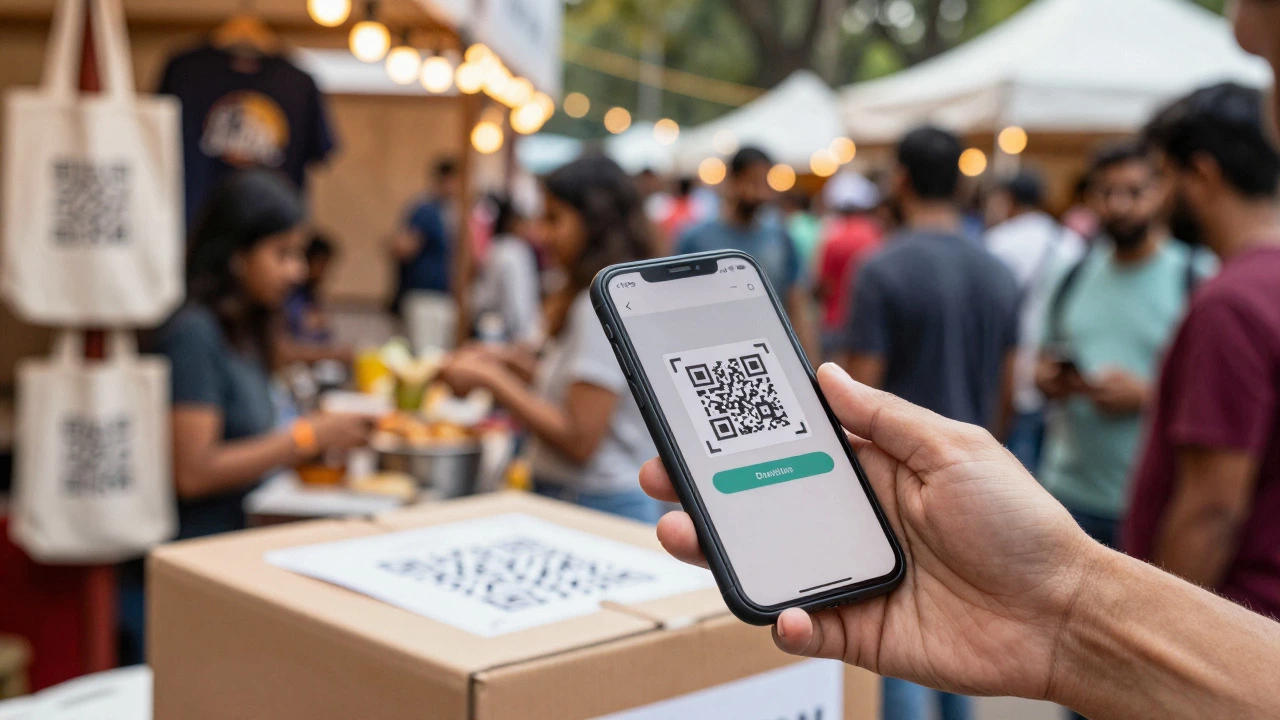
Make donating effortless. Use QR codes everywhere. Place them on banners, wristbands, and information tables. Link directly to a mobile-friendly donation page. People are busy at events; if they have to type in a long URL, they’ll forget. One scan should take them straight to the payment screen.
Create "micro-donation" opportunities. Instead of asking for $50, ask for $5 to buy a coffee for a volunteer, or $10 to plant a tree. These smaller amounts add up quickly when you have hundreds of attendees. Use physical collection boxes too. Cash donations are still common, especially among older demographics who may not be comfortable using digital wallets.
Email capture is crucial. Set up a sign-up sheet for your newsletter. Offer a small incentive, like a chance to win a gift basket from your sponsors. Building your email list is an investment in future fundraising. You can follow up after the event with photos, impact stories, and additional donation requests. This turns a one-time visitor into a long-term supporter.
Maximizing Merchandise and Ancillary Sales
Merchandise serves two purposes: it generates revenue and it acts as mobile advertising. Sell t-shirts, tote bags, or stickers featuring your event’s logo. Keep prices reasonable-$15 to $20 for a shirt is standard. If you sell 100 shirts at $20, and the production cost was $10 each, you’ve made $1,000 in pure profit. Plus, those shirts will be worn around town for months, keeping your brand visible.
Think beyond apparel. If you’re hosting a gardening workshop, sell seed packets or tools. If it’s a fitness event, sell water bottles or resistance bands. Align merchandise with the theme of your event. This ensures higher conversion rates because attendees are already interested in the topic.
Food and beverage sales can also contribute. Even if the event is free, you can charge for premium snacks or drinks. Partner with a local caterer to handle this. They manage the logistics and take a cut of the sales, reducing your risk. Alternatively, offer a "pay-what-you-want" bar for non-alcoholic drinks. Surprisingly, many people will pay above the minimum suggested amount, feeling good about supporting the cause.
Post-Event Follow-Up: Turning Attendance into Advocacy
The money-making process doesn’t end when the last attendee leaves. The real magic happens in the weeks following the event. Send personalized thank-you emails to sponsors, donors, and volunteers. Share specific metrics: "Thanks to you, we collected 500kg of trash" or "We provided meals for 200 families." Concrete data proves impact and encourages repeat support.
Re-engage your new email subscribers. Send them a recap video highlighting the best moments. Include a clear call-to-action: "Want to see more impact? Donate today." Segment your list based on engagement levels. Those who donated on-site should receive different messaging than those who just signed up for the newsletter.
Finally, analyze your finances. Compare actual expenses against projected ones. Identify which revenue streams performed best. Did sponsorships cover 80% of costs? Were merchandise sales lower than expected? Use these insights to refine your strategy for next year. Continuous improvement is key to long-term sustainability.
Avoiding Common Pitfalls
One mistake many organizers make is underestimating hidden costs. Permits, insurance, security, and cleanup fees can add up fast. Always build a contingency fund of 10-15% into your budget. Another pitfall is over-promising to sponsors. If you say you’ll deliver 1,000 attendees, make sure you have the marketing plan to back it up. Disappointed sponsors are unlikely to return.
Also, don’t neglect volunteer management. Volunteers are your backbone. Treat them well with food, recognition, and clear roles. Happy volunteers create a positive atmosphere, which enhances the attendee experience and boosts donation likelihood. Poorly managed volunteers can lead to chaos, damaging your reputation and future fundraising potential.
Is it legal to make money from a free charity event?
Yes, absolutely. As long as the proceeds go toward covering operational costs or supporting the charitable mission, it is perfectly legal. Ensure your organization has the necessary permits and tax-exempt status if applicable. Transparency in financial reporting is key to maintaining trust with donors and regulators.
How much should I charge sponsors for a free event?
Pricing depends on your expected attendance and the value you provide. Research similar events in your area. A good rule of thumb is to calculate the cost per impression. If you expect 500 attendees and each sees a sponsor’s logo five times, that’s 2,500 impressions. Charge accordingly, ensuring the price reflects the quality of engagement, not just headcount.
What if my free event loses money?
A loss isn’t always bad if it leads to significant awareness or donor acquisition. Calculate the lifetime value of a new supporter. If acquiring a donor costs $20 but they give $100 annually for five years, the initial loss is an investment. However, consistently losing money indicates a need to adjust pricing, reduce costs, or improve sponsorship packages.
Can I sell alcohol at a free charity event?
It depends on local laws and your organization’s license. Many charities can apply for temporary liquor licenses. Selling alcohol can be a significant revenue stream, but it requires responsible service training and liability insurance. Check with your local council or regulatory body for specific requirements and restrictions.
How do I track ROI for a free event?
Return on Investment (ROI) for free events includes both financial and non-financial metrics. Financially, track total revenue minus total costs. Non-financially, measure attendance growth, social media engagement, new email subscribers, and volunteer retention. Combine these to get a holistic view of the event’s success and its contribution to your long-term goals.