Community Outreach Strategy Analyzer
Scenario 1: New Program Launch
Your organization is launching a new youth mentorship program in an underserved neighborhood.
Scenario 2: Building Trust
The community has been skeptical of outside organizations making promises they don't keep.
Scenario 3: Measuring Impact
You need to report on your program's effectiveness to stakeholders.
Scenario 4: Community Engagement
You want to increase community involvement in decision-making processes.
Strategy Analysis Results
Overall Alignment Score
Approach Comparison
| Aspect | Your Approach | Ideal Outreach |
|---|---|---|
| Primary Direction | - | Two-way dialogue |
| Core Metric | - | Trust & relationship depth |
| Time Horizon | - | Long-term sustainability |
| Audience Role | - | Active co-creator |
Key Insight
Recommendations
You can build the best service in the world, but if no one knows it exists or trusts you to deliver it, your effort hits a wall. That is why organizations-from local food banks to global health NGOs-spend so much time on community outreach. It is not just about handing out flyers or posting on social media. At its core, it is the bridge between an organization’s mission and the people it aims to serve.
So, what is the actual point? Is it marketing? Is it fundraising? The short answer is that the main goal of community outreach is to build genuine, two-way relationships that create lasting social change. It is less about broadcasting a message and more about listening to needs, earning trust, and collaborating on solutions.
The Core Objective: Bridging the Gap Between Mission and Reality
Many nonprofits make the mistake of thinking their job ends when they design a program. But a program designed in a boardroom often misses the mark because it doesn’t reflect the lived reality of the neighborhood. Community outreach closes that gap. Its primary function is alignment.
Imagine a youth mentorship program. If the organization assumes kids need help with homework, but the community actually feels unsafe walking home from school, the outreach fails. Effective outreach uncovers these disconnects. It ensures that resources are directed where they are truly needed, not where the donor thinks they should go. This alignment reduces waste and increases impact. When an organization listens first, it stops guessing and starts solving real problems.
Building Trust as the Foundation of Engagement
Trust is the currency of community work. Without it, even well-funded initiatives struggle to gain traction. In many underserved areas, residents have been promised help before and let down. They are skeptical of outsiders coming in with agendas. The goal of outreach here is to prove, through consistent action, that the organization is a reliable partner.
This isn't built overnight. It happens when staff show up to local events without asking for anything in return. It happens when leaders speak honestly about limitations and failures. For example, during the pandemic, many community centers shifted from being drop-in spaces to distribution hubs. Those who had previously engaged in regular, low-stakes outreach found it easier to mobilize volunteers and distribute supplies because they already had lines of communication open. Trust turned into speed and efficiency when crisis hit.
Empowering Communities Rather Than Saving Them
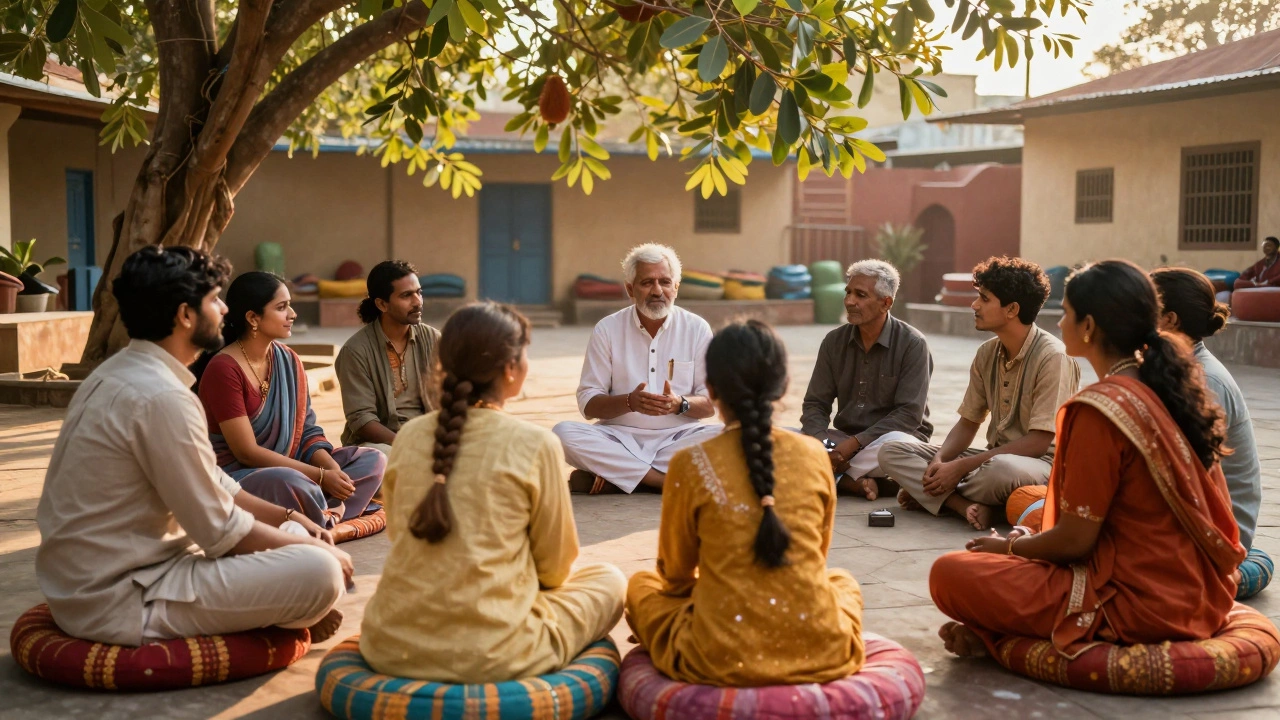
A critical shift in modern outreach is moving away from a "savior" mindset toward empowerment. The old model viewed communities as passive recipients of aid. The current goal is to identify existing strengths within the community and amplify them. This approach recognizes that locals know their own challenges better than any external expert ever could.
Consider a housing advocacy group. Instead of simply providing legal advice, effective outreach might involve training residents to become peer advocates. By equipping community members with skills and knowledge, the organization creates sustainable change that outlasts its own funding cycles. This empowerment leads to higher participation rates because people feel ownership over the outcome. They aren't just beneficiaries; they are co-creators of the solution.

Raising Awareness and Shifting Narratives
Beyond direct service delivery, outreach plays a vital role in public education. Many social issues-such as mental health stigma, domestic violence, or environmental justice-are misunderstood by the general public. Outreach campaigns aim to correct misinformation and shift cultural narratives.
For instance, mental health organizations use outreach to normalize conversations around therapy and medication. By hosting workshops in schools and workplaces, they reduce shame and encourage early intervention. This narrative shift is crucial because policy changes often lag behind cultural acceptance. When the public understands an issue deeply, they are more likely to support legislative reforms and allocate tax dollars appropriately. Awareness is the precursor to systemic change.
Fostering Collaboration Across Sectors
No single organization can solve complex societal problems alone. Poverty intersects with health, education, and employment. Therefore, a major goal of community outreach is to weave together a network of partners. This includes connecting nonprofits with government agencies, businesses, and other civil society groups.
Take the example of a homeless services coalition. An outreach worker might connect a shelter with a local clinic for medical care, a vocational training center for jobs, and a landlord willing to offer flexible leases. By acting as a connector, the outreach team ensures that individuals receive holistic support rather than fragmented services. This collaborative model prevents duplication of efforts and maximizes the reach of limited resources.
| Feature | Community Outreach | Traditional Marketing |
|---|---|---|
| Primary Direction | Two-way dialogue | One-way broadcast |
| Core Metric | Trust and relationship depth | Clicks and conversions |
| Time Horizon | Long-term sustainability | Short-term sales spikes |
| Role of Audience | Active participant/co-creator | Passive consumer |
| Success Indicator | Community empowerment | Revenue growth |
Measuring Success Beyond Numbers
If the goal is relationship-building, how do you measure success? Traditional metrics like attendance counts or email sign-ups are necessary but insufficient. They tell you how many people showed up, but not whether their lives improved. True evaluation requires qualitative data.
Organizations are increasingly using stories, case studies, and feedback loops to gauge impact. Did a participant feel heard? Did the program address their specific barrier? Surveys that ask about satisfaction and perceived value provide deeper insights than raw headcounts. Additionally, tracking retention rates helps determine if the community remains engaged over time. High dropout rates often signal a breakdown in trust or relevance, prompting a need for strategic adjustment.
Practical Strategies for Effective Outreach
To achieve these goals, organizations must adopt strategies that prioritize authenticity and accessibility. Here are several proven approaches:
- Meet People Where They Are: Don't expect your audience to come to your office. Go to libraries, parks, religious centers, and online forums where they already spend time.
- Use Plain Language: Avoid jargon. If you are discussing healthcare, explain terms clearly. Accessibility means removing barriers to understanding.
- Listen More Than You Speak: Conduct focus groups and town halls where the agenda is set by community questions, not organizational priorities.
- Leverage Local Champions: Identify respected figures within the community-teachers, faith leaders, shop owners-and partner with them to spread your message. Their endorsement carries weight that paid ads cannot buy.
- Be Consistent: Show up regularly, even when there is no crisis. Consistency builds familiarity, which breeds trust.
Common Pitfalls to Avoid
Even well-intentioned outreach can backfire if executed poorly. One common error is tokenism-inviting community members to meetings only after decisions have already been made. This erodes trust faster than ignoring them altogether. Another pitfall is assuming homogeneity within a community. A "youth" demographic is not a monolith; it includes diverse cultures, abilities, and socioeconomic backgrounds. Tailoring messages to specific subgroups shows respect and increases effectiveness.
Finally, avoid burnout. Outreach is emotionally demanding. Organizations must support their staff with adequate resources and self-care practices. Exhausted outreach workers cannot build meaningful connections. Sustainable outreach requires sustainable teams.
Is community outreach the same as public relations?
No. Public relations (PR) focuses on managing an organization's image and reputation, often through media coverage. Community outreach focuses on building relationships with the people the organization serves. While PR might highlight a charity's achievements, outreach involves listening to community needs and collaborating on solutions. PR is outward-facing for brand protection; outreach is inward-facing for impact creation.
How long does it take to build trust in a community?
There is no fixed timeline, but trust is generally built over months or years, not days. It requires consistent presence, transparency, and delivering on small promises before making big ones. In communities with historical trauma or neglect, the process may take longer. Patience and persistence are key indicators of genuine intent.
Why is digital outreach important for nonprofits?
Digital outreach allows organizations to reach broader audiences, including those who cannot attend physical events due to disability, childcare, or transportation issues. It also provides cost-effective ways to share information and gather feedback through surveys and social media interactions. However, it should complement, not replace, face-to-face engagement, which remains crucial for deep trust-building.
What role do volunteers play in community outreach?
Volunteers are often the face of an organization. Their enthusiasm and personal connections can break down barriers that professional staff might face. Training volunteers effectively ensures they represent the organization's values accurately. Engaged volunteers also expand the organization's network, bringing in new contacts and perspectives from their own social circles.
How can small organizations compete with large ones in outreach?
Small organizations often have an advantage in agility and personal connection. They can respond quickly to local needs and maintain closer relationships with individual community members. Focusing on niche areas or hyper-local issues allows them to demonstrate deep expertise and dedication. Partnerships with larger entities can also amplify their reach without sacrificing their intimate touch.