Volunteer Retention & Barrier Checker
Select the factors that apply to your current situation or organization.
POSITIVE FACTORS (Add these back)
Retention Probability Score
Select options above to see how barriers and solutions affect volunteer retention.
Key Insight:
According to the article, economic pressure and high friction are the biggest killers of volunteerism. However, offering flexibility and transparency can reverse this trend.
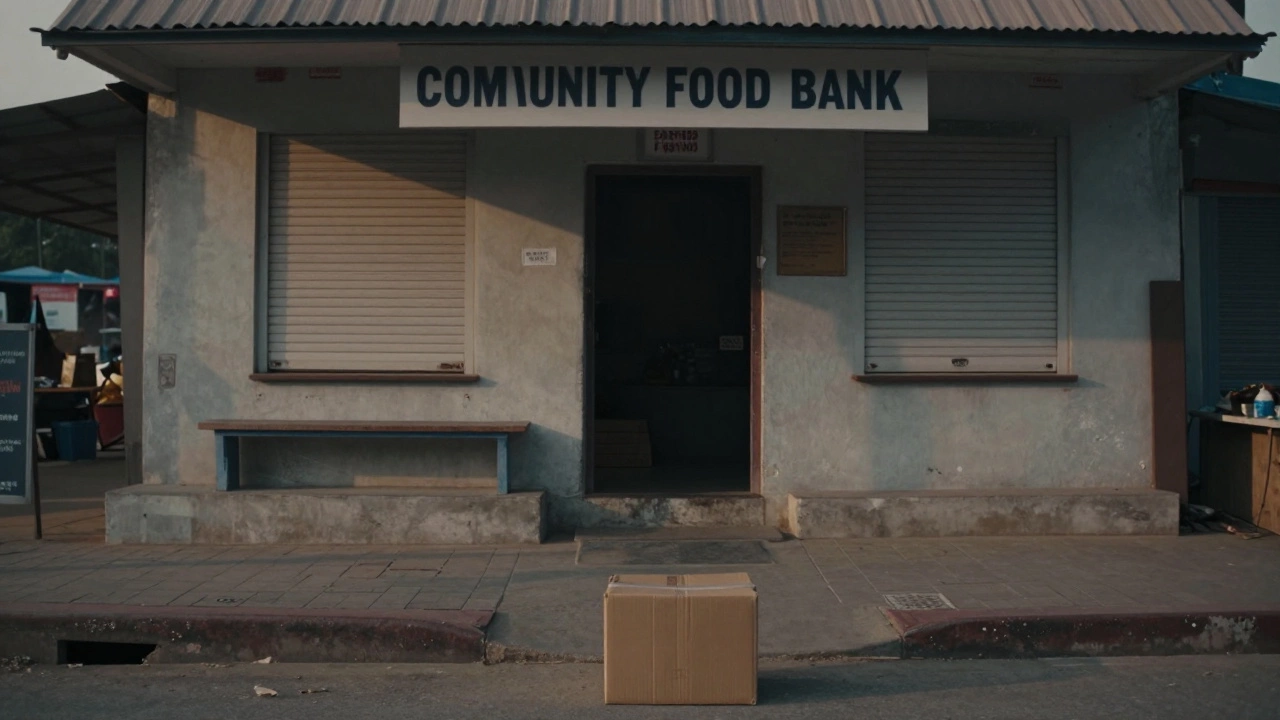
You walk past a food bank that used to have a line of helpers on Saturday mornings. Now, it’s empty. You check your local library’s event calendar, and the spots for reading buddies are still open months in advance. It feels like something broke in the social fabric. For years, we were told that volunteering was at an all-time high. But recent data from major surveys suggests a different story: participation is flatlining or even dipping in key demographics.
It’s not that people stopped caring. In fact, anxiety about climate change, inequality, and global instability is higher than ever. So why aren’t people showing up? The answer isn’t laziness. It’s a collision of economic pressure, burnout, and a fundamental shift in how organizations ask for help.
The Economic Squeeze: Time Is Money
Let’s start with the most obvious barrier: money. Or rather, the lack of it. We are living through a period where the cost of living has outpaced wage growth for many households. When you’re working two jobs just to keep the lights on, "giving back" becomes a luxury item you can’t afford.
In 2019, before the pandemic reshaped work-life balance, the average American volunteer gave about 50 hours a year. Today, that number is under pressure. Why? Because unpaid labor competes directly with paid survival. If you take four hours off to sort clothes at a thrift store, that’s four hours you aren’t picking up a shift at the warehouse. For low-income families, the opportunity cost of volunteering is simply too high.
This isn’t just about poverty. It affects middle-class workers too. With remote work blurring the lines between office and home, many employees feel they are always "on." Adding a commitment to a nonprofit board or a weekend cleanup feels like adding weight to a backpack that’s already full. Burnout is a state of emotional, physical, and mental exhaustion caused by excessive and prolonged stress. It’s real, it’s widespread, and it leaves no room for extra commitments.
The "Ask" Has Changed: Friction vs. Flow
Have you ever tried to sign up for a volunteer role online? You click a button, fill out a form, wait three weeks for an email, then get asked to do a background check, attend a mandatory orientation, and commit to a six-month schedule. By the time you’re cleared to help, the initial spark of motivation has faded.
Nonprofits often operate with outdated systems designed for a slower, paper-based world. They treat volunteers like unpaid employees who need rigorous management. This creates friction. Modern consumers expect seamless experiences-Amazon delivers in two days; why does it take a month to start serving soup?
People want flexibility. They want micro-volunteering. They want to donate five hours this month and zero next month because their job is busy. Rigid scheduling pushes away the very people organizations need. When the barrier to entry is high, the pool of potential helpers shrinks dramatically.

Digital Activism: Clicking vs. Showing Up
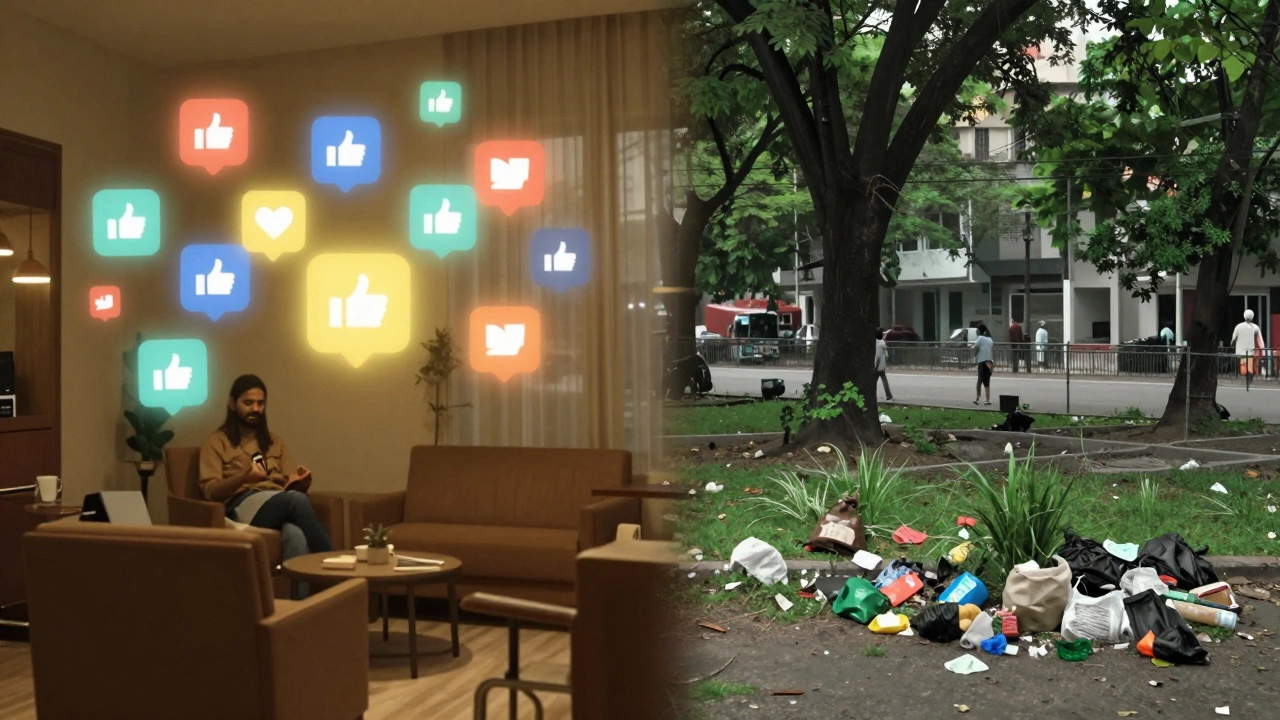
There’s also a debate about whether digital activism replaces physical volunteering. Did sharing a petition on social media count as helping? For many, especially younger generations, it does. It’s immediate, visible, and requires zero time investment beyond a tap.
Social media platforms allow users to signal care without committing resources. This is sometimes called "slacktivism," but let’s be fair: awareness matters. However, awareness doesn’t fill beds at homeless shelters or tutor kids in math. There’s a disconnect between feeling good about liking a post and doing the hard, unglamorous work of community service.
The problem is that nonprofits haven’t always bridged this gap. They see the online buzz but struggle to convert those clicks into bodies on the ground. Without a clear path from digital support to physical action, people stay online where it’s easy, comfortable, and low-stakes.
Trust Issues and Transparency
People are skeptical. Over the last decade, several high-profile scandals involving charities misusing funds have eroded public trust. Donors and volunteers alike are asking: "Where does my time go?" If an organization seems bloated with administrative overhead, people hesitate.
Transparency is no longer optional. Volunteers want to know the impact of their hours. They want metrics. Did my two hours of tutoring improve student test scores? Did my cleanup remove 50 pounds of trash? Vague answers like "you helped our mission" don’t cut it anymore. People crave tangible results.
When organizations fail to communicate their effectiveness clearly, volunteers feel their effort is wasted. This leads to churn. People try once, see no clear outcome, and never return. Rebuilding trust requires radical honesty about what works and what doesn’t.
The Shift in Demographics
Who is volunteering? Traditionally, it was older, retired individuals with plenty of free time. That demographic is shrinking relative to the growing population of young adults and parents juggling multiple responsibilities.
Younger generations (Millennials and Gen Z) are passionate but pragmatic. They prefer causes aligned with personal values-environmental justice, racial equity, mental health support. If a local church group isn’t addressing these specific issues, they won’t join. They also prefer collaborative, peer-to-peer models over hierarchical structures. They don’t want to be told what to do; they want to co-create solutions.
Organizations stuck in traditional modes of operation miss this shift. They offer rigid roles with little autonomy. Young volunteers leave quickly if they feel micromanaged or if the cause doesn’t resonate deeply with their worldview.
| Barrier | Traditional View | Current Reality |
|---|---|---|
| Time Availability | Retirees had free time | Work-life blur reduces discretionary time |
| Commitment Level | Long-term, rigid schedules | Flexible, micro-volunteering preferred |
| Motivation | Duty and community obligation | Impact measurement and personal alignment |
| Engagement Method | In-person only | Hybrid: Digital advocacy + physical action |
How to Fix It: Lowering the Bar
If you’re part of an organization struggling to find hands, here’s what needs to change. First, simplify the sign-up process. Use technology to automate scheduling and background checks. Make it as easy as ordering pizza.
Second, offer flexible roles. Create "micro-shifts" of one to two hours. Allow people to contribute remotely if possible. Not every task requires physical presence. Data entry, graphic design, and social media management can be done from home.
Third, show the impact. Send regular updates to volunteers. Tell them exactly what their hours achieved. Use photos, stories, and data. Make them feel connected to the outcome, not just the process.
Finally, recognize that volunteering is a partnership, not charity. Treat volunteers with respect, listen to their ideas, and give them autonomy. When people feel valued and see results, they stay. The desire to help hasn’t disappeared; it’s just waiting for a better way to express itself.
Is volunteering actually declining?
Yes, in certain sectors and demographics. While some areas like disaster response remain strong, routine community volunteering has seen a drop due to economic pressures and changing work habits. Participation rates vary significantly by age and income level.
Why do people quit volunteering after a short time?
Common reasons include lack of flexibility, poor communication from the organization, and not seeing the impact of their work. Burnout is also a major factor when volunteers feel overwhelmed by rigid schedules.
What is micro-volunteering?
Micro-volunteering involves small, short-term tasks that require minimal commitment, such as donating five hours a month or completing a quick online survey. It lowers the barrier to entry for busy individuals.
How can nonprofits attract younger volunteers?
By offering flexible schedules, focusing on causes aligned with social justice and environmental issues, and providing clear metrics on impact. Younger volunteers prefer collaborative environments over hierarchical structures.
Does digital activism replace physical volunteering?
No, but it complements it. Digital activism raises awareness, while physical volunteering provides direct service. The challenge is converting online interest into offline action through clear calls to action.