Texas Shelter Stay Duration Estimator
Select your location and situation below to see estimated stay durations and recommended next steps.
Estimated Stay Duration:
Recommended Next Steps:
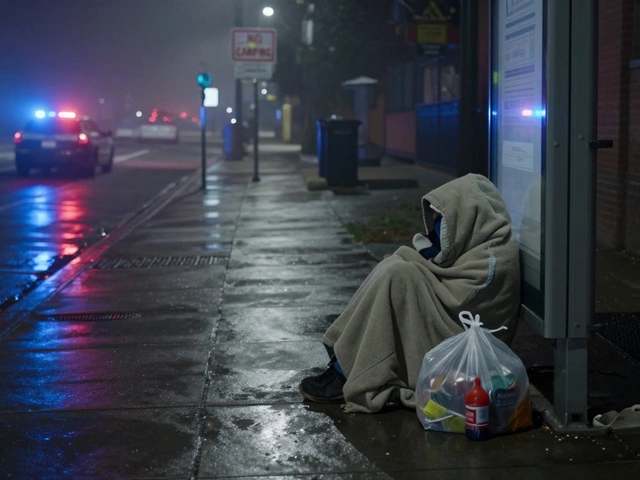
You find yourself on the streets of Houston, Dallas, or San Antonio, and your first instinct is to find a roof over your head. But there’s a catch: most homeless shelters are not permanent residences. They are safety nets designed for emergencies, not long-term living. So, how long can you actually stay? The short answer varies wildly depending on where you are, who you are, and what kind of shelter you walk into. It could be one night, thirty days, or even several months if you navigate the system correctly.
Texas has a unique landscape when it comes to homelessness. Unlike some states with universal public housing mandates, Texas relies heavily on a patchwork of local governments, private nonprofits, and faith-based organizations. This means there is no single "state rule" for stay durations. Instead, you have to deal with local policies that change from city to city, and often from building to building.
The Emergency Safety Net: Short-Term Stays
If you walk into a standard emergency shelter tonight, expect a strict timeline. Most traditional emergency shelters in major Texas cities like Austin, El Paso, and Fort Worth operate on a nightly basis. You check in, you sleep, and you leave by morning. These facilities are designed to provide immediate protection from the elements-whether it’s the scorching summer heat or rare winter freezes-but they are not built for extended occupancy.
Why the limit? Capacity. These shelters are almost always at maximum capacity. If people stayed for weeks, new arrivals would have nowhere to go. Many shelters enforce a "one-night-only" or "three-night-max" policy unless you are actively engaged in a case management program. Some larger facilities might allow you to return every night for up to 30 days, but this is usually contingent on your participation in job training or substance abuse counseling programs offered on-site.
For example, in Houston, many emergency drop-in centers prioritize those who are currently unsheltered. If you have been staying in a shelter consistently, you may be asked to exit so others can use the bed. This rotation ensures the widest possible coverage for the community’s most vulnerable individuals.
Transitional Housing: The Bridge to Stability
If you need more than just a bed for the night, you need to look into transitional housing. This is different from an emergency shelter. Transitional housing programs are designed to help you move from homelessness to independent living. Here, the stay duration is significantly longer, typically ranging from 6 to 24 months.
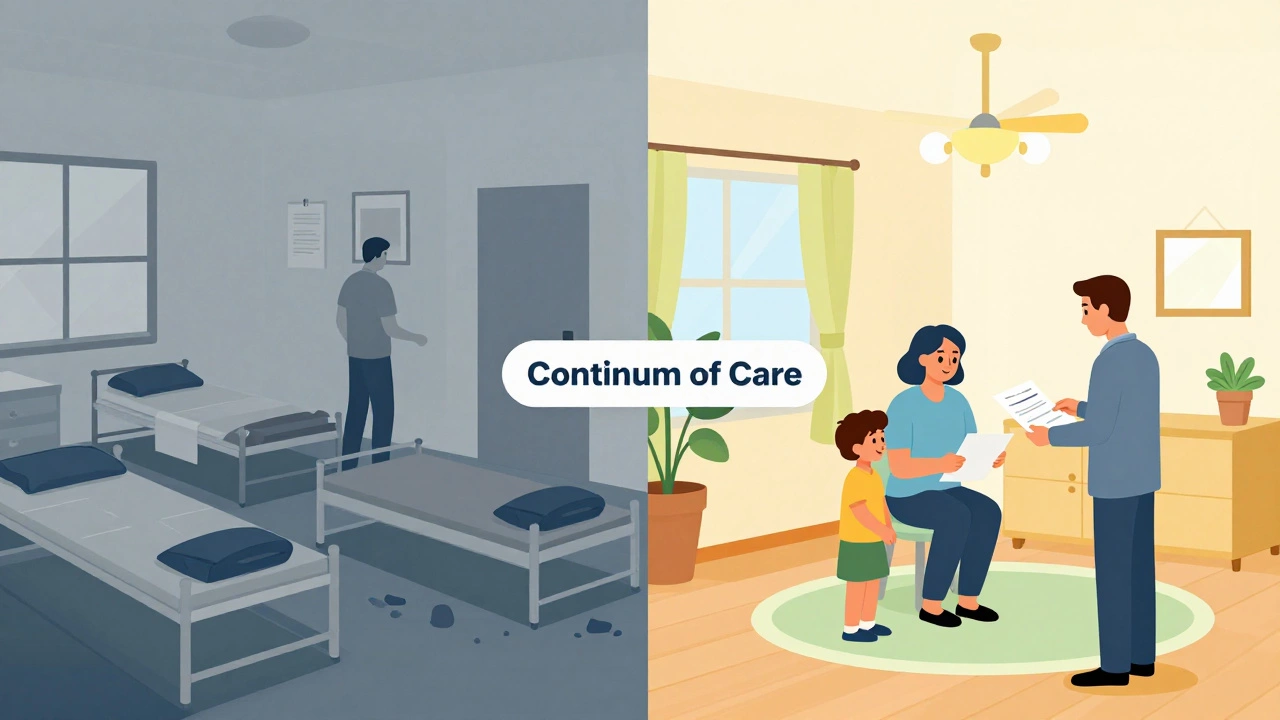
To qualify for these programs, you usually need to meet specific criteria. You might need to demonstrate sobriety, secure employment, or participate in financial literacy courses. In Texas, organizations like the Continuum of Care (CoC) systems manage these referrals. Each county has its own CoC, which coordinates funding from the U.S. Department of Housing and Urban Development (HUD). Once you enter a transitional housing program, you are assigned a case manager who helps you set goals. Your stay continues as long as you meet those milestones.
For instance, a family in Dallas seeking transitional housing might stay in a subsidized apartment complex for 18 months while the parents complete vocational training. During this time, rent is often reduced based on income, providing stability that an emergency shelter simply cannot offer.
Special Populations: Families, Veterans, and Youth
Your demographic plays a huge role in how long you can stay. Shelters often have separate wings or entirely different facilities for families, veterans, and youth, each with its own rules.
- Families with Children: Family shelters generally offer longer stays than adult-only shelters. Programs run by organizations like the Texas Homeless Coalition often provide stays of 90 days to 6 months. The goal is to keep children in school and stable while parents search for work. In some cases, if a family qualifies for Section 8 vouchers through the local Public Housing Authority, their stay in transitional housing can extend until they secure permanent housing.
- Veterans: Veterans have access to specialized resources through the Department of Veterans Affairs (VA) and the VA Supportive Services for Veteran Families (SSVFP) program. In Texas, veteran-specific shelters often allow stays of up to 180 days. These programs focus on connecting veterans with benefits, healthcare, and employment opportunities. The Veterans Justice Outreach program also assists veterans involved in the criminal justice system, helping them avoid jail time by offering shelter alternatives.
- Youth (Ages 18-24): Young adults face unique challenges. Shelters for youth, such as those operated by Big Brothers Big Sisters of America affiliates or local chapters of National Runaway Safeline partners, often provide stays ranging from a few weeks to six months. These programs emphasize education and life skills. In Austin, for example, the Austin Resource Center for the Homeless offers day services and referrals that can lead to longer-term housing solutions for young people.
Navigating Local Policies: City-by-City Differences
Texas is large, and its cities operate independently regarding homeless services. Understanding local nuances is critical.
| City | Typical Emergency Stay | Transitional Housing Max | Key Local Program |
|---|---|---|---|
| Houston | 1-30 nights (rotation based) | Up to 24 months | Continuum of Care (CoC) referral system |
| Dallas | 1-7 nights (initial intake) | 12-24 months | North Texas Homeless Management Plan |
| Austin | Varies (often 1 night) | 6-18 months | Capital Area Mayors' Roundtable initiatives |
| San Antonio | Up to 30 nights | Up to 24 months | San Antonio Homeless Assistance Coalition |
In Houston, the approach is highly coordinated. The city uses a centralized intake system called "Houston Cares." When you call 2-1-1 or visit an intake site, you are assessed and placed on a priority list. If you are in immediate danger, you get a bed tonight. If you are stable but homeless, you might be referred to a transitional housing program directly, bypassing the emergency shelter rotation. This efficiency allows for longer, more meaningful stays in supportive environments.
Dallas operates similarly but places a strong emphasis on rapid re-housing. Their goal is to get people off the street and into their own apartments within 30 to 90 days. Therefore, emergency shelter stays are often shorter, serving as a brief bridge while paperwork for rental assistance is processed.
Barriers to Extended Stays
Even if a shelter allows a longer stay, several factors can cut your time short. Understanding these barriers helps you prepare.
- Criminal Background Checks: Many transitional housing programs require background checks. A recent felony conviction might disqualify you from certain subsidized housing units, limiting your options to emergency shelters with stricter turnover rates.
- Substance Abuse Policies: While many shelters are moving toward harm reduction models, some still enforce zero-tolerance policies. Being intoxicated upon entry can result in denial of service or early discharge. However, many Texas shelters now partner with treatment centers to offer dual-diagnosis support, allowing stays to continue alongside recovery efforts.
- Case Management Compliance: If you are in transitional housing, failing to attend meetings, miss appointments, or violate house rules can lead to eviction from the program. Consistency is key.
- Funding Cycles: Shelter operations are often funded by annual grants. If funding dries up or shifts, programs may reduce capacity or shorten stay durations. Always ask about the current funding status when applying.

Alternatives When Shelters Fill Up
If you hit the time limit at a shelter, don’t panic. There are other options in Texas.
Street Medicine Teams: Organizations like the Mobile Health Initiative in Houston provide medical care and social services directly to people experiencing homelessness. They can help connect you to resources without requiring overnight stays.
Day Centers: Places like the Austin Resource Center for the Homeless offer showers, meals, mail services, and job assistance during the day. While you don’t sleep there, these centers provide essential support that makes surviving on the streets more manageable while you search for housing.
Temporary Rental Assistance: Look into the Texas Workforce Commission’s unemployment benefits or local rapid re-housing programs. Sometimes, getting a small cash grant for a hotel room or a first month’s rent is faster than navigating the shelter system.
Next Steps: How to Extend Your Stay Strategically
If you want to maximize your time in a shelter or transition to longer-term housing, take these steps immediately upon arrival:
- Engage with Case Managers: Treat your case manager as your primary ally. Share your goals honestly. Ask specifically about transitional housing referrals and what documentation you need to start the process.
- Apply for Benefits Daily: Use the computer labs or assistance provided at shelters to apply for SNAP, Medicaid, TANF, and Section 8. Having these benefits approved strengthens your application for transitional housing.
- Network with Staff: Build relationships with shelter staff. They often know about hidden opportunities, such as overflow shelters or temporary housing openings that aren’t advertised publicly.
- Keep Documents Safe: Ensure your ID, Social Security card, and medical records are secure. Losing these documents can delay housing applications by weeks.
Staying in a Texas shelter is rarely about finding a place to live forever; it’s about finding a launchpad. By understanding the limits of emergency shelters and leveraging the longer-term possibilities of transitional housing, you can turn a temporary stay into a pathway toward stability. The system is complex, but with persistence and the right connections, it is navigable.
Is there a state law limiting how long you can stay in a homeless shelter in Texas?
No, there is no single state law dictating shelter stay limits. Policies are determined locally by individual shelters, counties, and Continuums of Care (CoC). Emergency shelters typically limit stays to 1-30 nights, while transitional housing programs can last 6-24 months.
What happens if I reach the maximum stay limit at an emergency shelter?
You will likely be asked to vacate the facility. At this point, you should request a referral to transitional housing, rapid re-housing programs, or other local resources. Case managers can help identify alternative accommodations or temporary rental assistance.
Can families stay in shelters longer than individuals?
Yes. Family shelters often offer longer stays, ranging from 90 days to 6 months, to maintain stability for children. Some programs may extend stays further if the family secures housing vouchers or meets specific case management goals.
How do I qualify for transitional housing in Texas?
Qualification usually involves an assessment by a Continuum of Care (CoC) provider. Criteria often include demonstrating homelessness, participating in job training or substance abuse treatment, and maintaining compliance with program rules. Veterans and families may have additional specialized pathways.
Are there shelters in Texas that allow indefinite stays?
True indefinite stays are rare in emergency shelters due to capacity constraints. However, some supportive housing programs, particularly those focused on chronic homelessness or mental health, may offer long-term tenancy with ongoing services, effectively functioning as permanent housing with support.