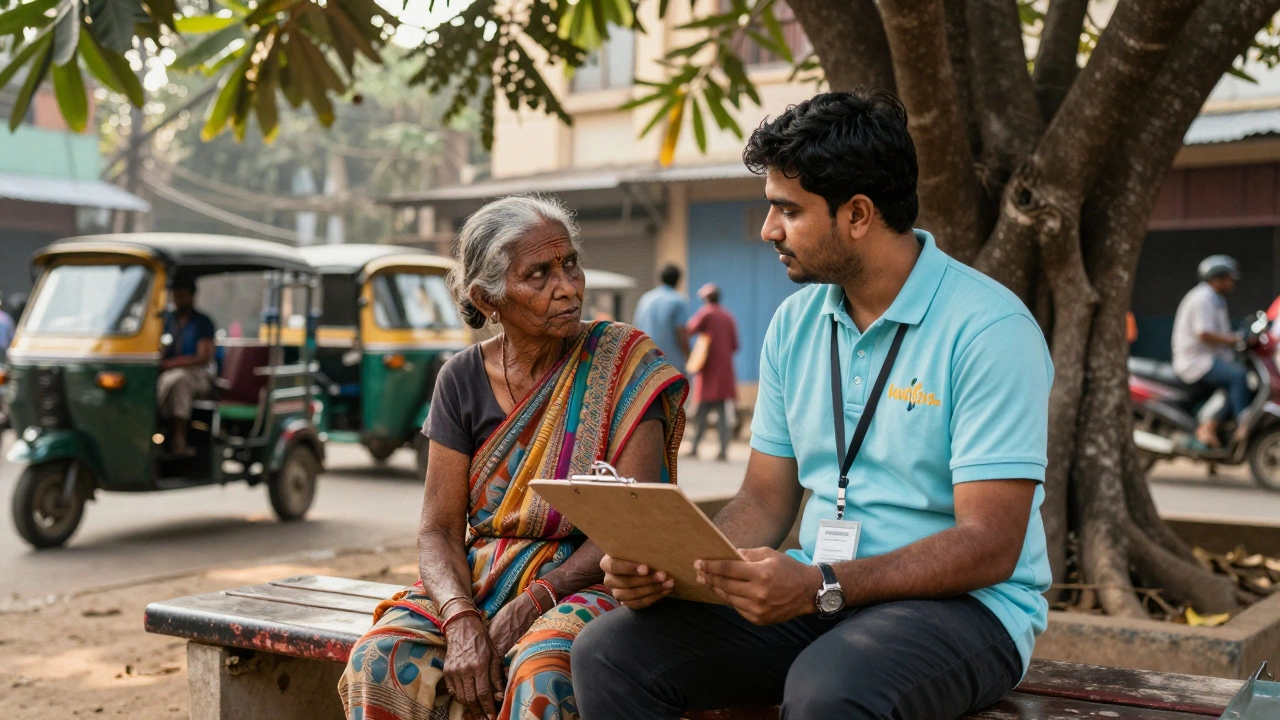
A community outreach representative doesn’t sit behind a desk filing reports. They’re the face of an organization on the ground-knocking on doors, showing up at block meetings, handing out flyers at the bus stop, and listening when people have nothing left to say. If you’ve ever seen someone at a local festival talking to families about free health screenings, or visiting a senior center to explain how to apply for food assistance, that’s a community outreach representative in action.
They Bridge the Gap Between Organizations and People
Nonprofits, government agencies, hospitals, and schools all have programs that can change lives. But if no one knows they exist, or if people feel too scared, confused, or unheard to reach out, those programs might as well not be there. That’s where outreach reps come in. They turn abstract services into real connections.
Take a city’s housing assistance program. The paperwork is confusing. The eligibility rules are buried in legalese. Many people don’t trust government forms. A community outreach representative walks into apartment complexes, shelters, or even parks, and says, “I can help you fill this out right now.” They don’t just hand out brochures-they sit down, answer questions, and stay until the person feels confident.
Day-to-Day Tasks Are Never the Same
There’s no standard 9-to-5 for this job. One day might start with a meeting at city hall to coordinate with social workers. The next, they’re at a church basement helping immigrants sign up for English classes. Here’s what a typical week looks like:
- Attending neighborhood association meetings to hear concerns firsthand
- Organizing pop-up events-like vaccine clinics or resume workshops-in underserved areas
- Building relationships with local leaders: pastors, teachers, small business owners, block captains
- Translating materials or arranging interpreters for non-English speakers
- Tracking which outreach methods actually work-flyers? Text alerts? Door-to-door visits?
- Reporting back to their organization: what’s working, what’s not, what people are asking for
They’re part researcher, part translator, part advocate, and part problem-solver. Their job isn’t to sell something-it’s to make sure no one gets left out because they don’t know where to look.
Skills You Need (Beyond a Degree)
You don’t need a fancy title or a master’s degree to be good at this. What matters is how you connect with people. Here are the real skills that make someone successful:
- Active listening: People don’t always say what they mean. A good rep notices when someone pauses, avoids eye contact, or changes the subject-and knows how to ask gently, “Is there something else you’re worried about?”
- Cultural fluency: You can’t hand out food bank flyers in a Latino neighborhood if you don’t understand family dynamics, immigration fears, or common misconceptions about public aid.
- Adaptability: Rain cancels your outdoor event? You pivot to calling homes. The local library won’t let you set up a table? You partner with the laundromat next door.
- Patience with systems: You might spend weeks helping someone get approved for benefits, only to have them denied because of a missing form. You don’t give up-you find the next step.
Many outreach reps start as volunteers or interns. Others come from social work, education, or even retail. What they all share is a belief that everyone deserves access-and that access starts with trust.

Who They Work For
Community outreach representatives aren’t just in nonprofits. You’ll find them in:
- Public health departments: Running diabetes screenings in food deserts, promoting mental health hotlines in high-stress neighborhoods
- School districts: Helping parents understand special education rights or free lunch programs
- Hospitals: Connecting patients with transportation to appointments or housing after discharge
- City governments: Explaining zoning changes, recycling rules, or public safety initiatives
- Nonprofits: Food banks, homeless shelters, youth centers, domestic violence programs
Each setting changes the focus. In a school, they might be helping single moms sign up for childcare subsidies. In a hospital, they might be making sure a cancer patient doesn’t skip chemo because they can’t afford gas.
What They Don’t Do
It’s easy to misunderstand this role. Outreach reps aren’t case managers. They don’t give out money or make policy decisions. They don’t solve every problem themselves. Their power isn’t in authority-it’s in access.
They don’t fix the system. They fix the connection between the system and the people who need it most.
Think of them as guides in a maze. The exit is there-government offices, online portals, clinics-but the path is confusing. The rep doesn’t carry you to the exit. They hold up a flashlight, point to the right turn, and walk with you until you feel sure enough to keep going alone.

The Real Impact
Numbers don’t always show the full story. A single outreach rep might help 50 families get SNAP benefits in a month. But the deeper impact? A grandmother who finally stops skipping her insulin because she knows where to get free prescriptions. A teenager who enrolls in college prep because someone showed up at his job after school. A veteran who starts therapy after a rep showed up at the VA waiting room with a coffee and a quiet, “You’re not alone.”
These aren’t statistics. These are moments where someone felt seen.
Outreach isn’t glamorous. It’s often underpaid, emotionally heavy, and overlooked. But in communities where trust is broken or resources are scarce, outreach reps are the ones keeping the door open.
How to Become One
If you’re thinking about this work, start where you are. Volunteer with a local food bank or youth program. Offer to help translate at a town hall. Ask your neighborhood association if they need someone to reach out to new residents.
Many organizations train people on the job. You don’t need to know everything before you start. You just need to care enough to show up-and to keep showing up, even when it’s hard.
Some roles require a bachelor’s degree in social work, public health, or communications. But many don’t. What matters most is your ability to listen, your willingness to learn, and your refusal to walk away when things get messy.
Why This Job Matters More Than Ever
In a world where digital services dominate, more people are being left behind. Elderly folks without smartphones. Immigrants who can’t navigate websites. Families who don’t trust government apps. The gap between services and those who need them is widening.
Community outreach representatives are the human solution to a digital problem. They remind us that systems work best when they’re built with people-not just for them.