
Community Outreach Impact Calculator
Calculate Your Outreach Impact
Based on the 2024 National Association of Community Health Workers study showing 68% higher enrollment in underserved areas when outreach workers guide people through bureaucratic barriers, estimate your community's potential impact.
Estimated Community Impact
Program Enrollment
Community Benefits
Ever wonder what a community outreach worker actually does all day? It’s not just handing out flyers or showing up at events. These workers are the bridge between struggling families and the help they need - often stepping in when no one else will. They don’t work behind desks. They walk neighborhoods, sit in living rooms, and show up at bus stops. Their job isn’t about titles. It’s about trust.
Building Relationships One Conversation at a Time
At the heart of this job is relationship-building. A community outreach worker doesn’t walk into a neighborhood with a checklist. They listen. They learn who the elders are, who the teens look up to, who’s been left out of programs because no one asked them. In East Los Angeles, one outreach worker spent three months just talking to local shop owners before launching a youth mentorship program. Why? Because trust doesn’t come from brochures. It comes from showing up week after week, rain or shine.
These workers become familiar faces. They remember birthdays. They ask about sick relatives. They don’t show up to solve problems - they show up to understand them. That’s how real change starts.
Connecting People to Resources
There are dozens of programs out there: food assistance, housing help, mental health counseling, job training. But if people don’t know about them - or can’t get there - they don’t help. That’s where outreach workers step in.
Imagine a single mom working two jobs, with no car, and no one to watch her kids. She might qualify for childcare subsidies, but the application is online, in English, and requires documents she doesn’t have. An outreach worker doesn’t just give her a link. They sit with her at the library, fill out the form together, call the agency to explain her situation, and even arrange a ride to the next appointment. They don’t hand off paperwork. They hold hands through the process.
According to a 2024 study by the National Association of Community Health Workers, outreach workers increased program enrollment by 68% in underserved areas simply by guiding people through bureaucratic barriers.
Identifying Needs Before They Become Crises
Outreach workers are often the first to notice when something’s off. A child who stops showing up at the after-school program. A senior who hasn’t collected their medicine in weeks. A family that’s been missing from food bank lines - not because they don’t need help, but because they’re too ashamed to ask.
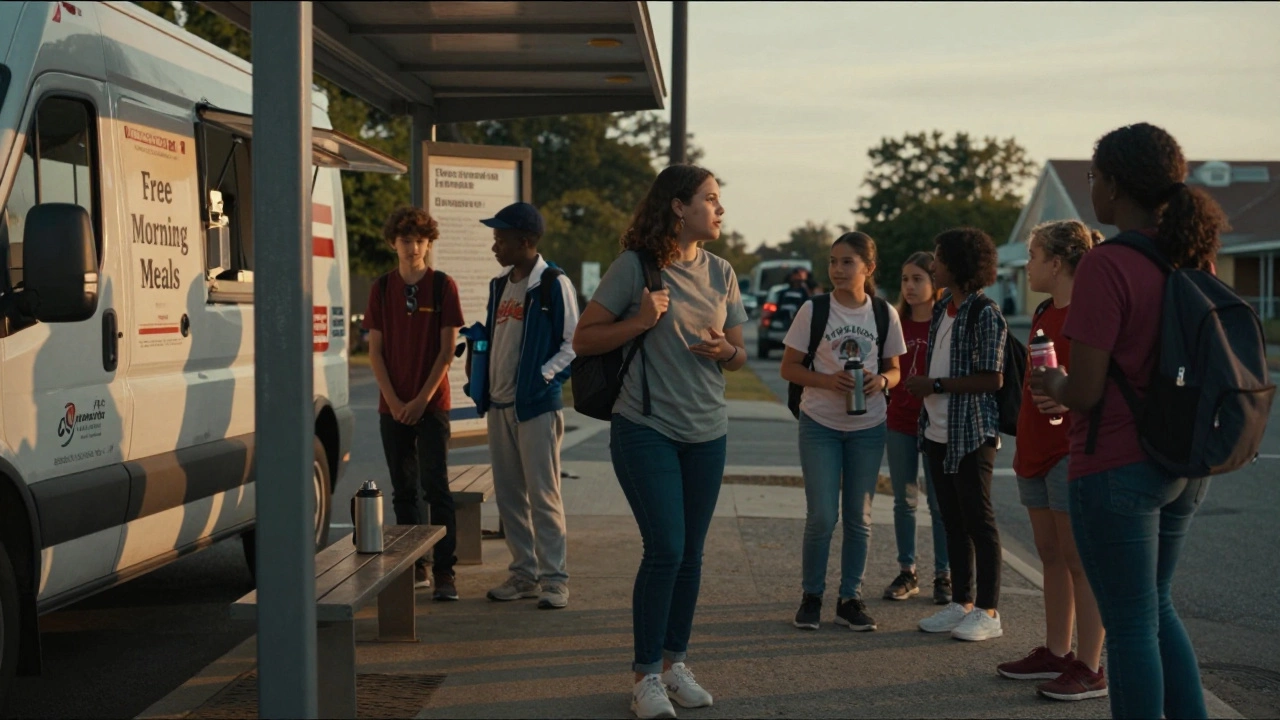
They don’t wait for someone to call a hotline. They walk the streets. They chat with barbers, teachers, and corner store clerks. They notice patterns. One worker in Detroit noticed a spike in kids skipping breakfast. She found out parents were choosing between paying rent and buying food. She helped launch a mobile breakfast van that now serves 300 kids daily.
These workers see the early signs of homelessness, addiction, or isolation. They act before systems fail.
Advocating for Change
It’s not enough to connect people to services. Sometimes, the services themselves are broken. Outreach workers collect stories - real, raw, daily experiences - and use them to push for change.
In Portland, a team of outreach workers gathered 200 testimonies from families who couldn’t access public transit to reach job centers. They didn’t just report it. They created a video documentary, held town halls, and got city council members to ride the bus with them. The result? A new bus route was added, and funding was redirected to make schedules more flexible for shift workers.
They don’t lobby in suits. They lobby with lived experience.
Coordinating With Other Services
No one person can fix everything. Outreach workers are connectors. They work with food banks, mental health clinics, schools, police departments, and religious groups - often in places where those organizations don’t talk to each other.
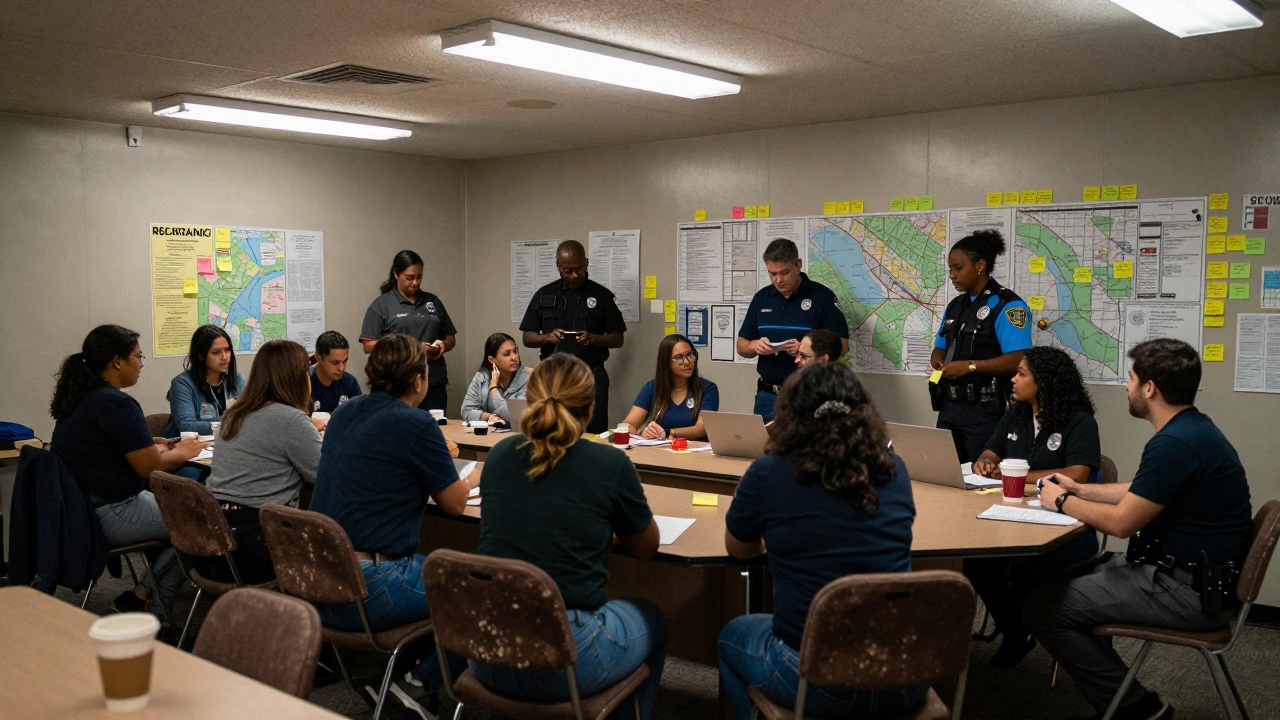
One worker in Atlanta created a weekly coordination meeting between 12 different agencies. No one had ever brought them together. Now, when a family is referred for housing assistance, they also get connected to job training, mental health counseling, and transportation help - all in one day. No more running from office to office. No more falling through cracks.
They don’t manage systems. They stitch them together.
Responding to Emergencies
When a fire hits a low-income apartment complex, or a flood cuts off a neighborhood, outreach workers are often the first on the scene - even before official responders. They know who lives where. They know who needs extra help. They know who won’t answer the door.
During the 2025 flooding in Cincinnati, outreach teams set up temporary shelters in churches, delivered clean water to isolated homes, and coordinated with volunteers to distribute blankets and hygiene kits. They didn’t wait for orders. They acted because they knew who was at risk.
They’re the ones who show up when the news cameras leave.
Documenting and Reporting
Yes, they fill out reports. But not because they’re required to. They document so others can see what’s really happening.
They track how many families couldn’t access mental health care because of transportation. They note how many teens dropped out because they had to work. They record which languages are missing from materials. This data doesn’t sit in a drawer. It goes to city planners, nonprofit leaders, and grant writers. It’s what gets funding approved, programs expanded, and policies rewritten.
They turn stories into statistics - and statistics into action.
What They Don’t Do
Outreach workers aren’t therapists. They don’t give medical advice. They aren’t case managers who assign benefits. They don’t hand out cash. They don’t make decisions for people.
They empower. They inform. They open doors. They walk beside people - never ahead, never behind.
They don’t fix problems. They help people find their own way to fix them.
Why This Work Matters
Community outreach isn’t glamorous. It’s messy, exhausting, and often underfunded. But it’s the backbone of any healthy community.
When outreach workers do their job well, schools see better attendance. Hospitals see fewer emergency visits. Local governments see fewer complaints. Crime drops. Trust grows.
It’s not about numbers on a screen. It’s about knowing that someone showed up for you - not because they had to, but because they cared.
Do community outreach workers need a degree?
Not always. Many positions require only a high school diploma and strong communication skills. Some roles prefer an associate’s or bachelor’s degree in social work, public health, or a related field - especially if they involve data collection or grant reporting. But experience often matters more than credentials. People who’ve lived through the challenges their community faces are often the most effective outreach workers.
How do outreach workers get paid?
Most work for nonprofits, local government agencies, or public health departments. Salaries vary widely by location and funding. In urban areas, pay typically ranges from $35,000 to $55,000 a year. In rural areas, it’s often lower, sometimes under $30,000. Many positions offer benefits like health insurance and paid time off. Some roles are part-time or grant-funded, meaning job security can be unstable.
Can anyone become a community outreach worker?
Yes - if you have empathy, patience, and a willingness to listen. Formal training helps, but what matters most is your ability to connect with people who feel unheard. Many programs offer on-the-job training. Some even hire residents from the neighborhoods they serve, because lived experience builds instant trust.
What’s the biggest challenge these workers face?
Burnout. Many work with high caseloads, limited resources, and little support. They carry emotional weight from hearing trauma every day. They often see progress too slowly - or not at all. Without proper supervision, peer support, or mental health resources, many leave the field within two years. Sustainable outreach requires investment in worker well-being - not just community programs.
How can I support community outreach efforts?
Volunteer your time. Donate to local nonprofits that fund outreach roles. Advocate for public funding. Don’t assume these workers are volunteers - they’re professionals doing essential work. If you’re in a position to hire, prioritize candidates with lived experience. And if you’re a resident - talk to your outreach worker. Ask what they need. Often, the answer is simple: more time, more staff, and more respect.