Community engagement isn’t about handing out flyers or hosting one-day events. It’s about building real, lasting relationships where people feel seen, heard, and valued. If you’re trying to get people involved in your cause-whether it’s clean-up days, youth mentoring, or food distribution-you’ve probably run into the same wall: people don’t show up. Not because they don’t care, but because they don’t feel connected.
The answer isn’t more events. It’s not better marketing. It’s not even more volunteers. It’s clarity. And that’s where the 3 C’s of community engagement come in: Connection, Consistency, and Co-creation.
Connection: Start with people, not programs
Too many organizations jump straight into planning activities. They ask: "What do we need to do?" instead of: "Who are we doing this for?"
Connection means knowing the real names, stories, and needs of the people you’re trying to reach. In Wellington, a local group working with unsheltered families stopped handing out blankets and started asking: "What do you need to feel safe?" One woman said, "A place to lock my things." So they installed lockers. Not a shelter. Not a donation drive. A locker. That simple shift turned a 12-person drop-in into a daily hub.
Connection isn’t about surveys or focus groups. It’s about showing up-regularly, without an agenda. Sit on the bench. Drink coffee at the community center. Ask questions that start with "What’s been hard for you lately?"
People don’t join programs. They join people.
Consistency: Show up even when no one’s watching
Community trust isn’t built in a month. It’s built over 37 Tuesdays when you showed up with soup, even when it rained. It’s built when you reply to a text at 10 p.m. because someone’s kid is sick. It’s built when you follow up three weeks later and say, "I remember you said your car broke down. Did you get it fixed?"
Consistency means showing up with the same energy, the same honesty, the same humility-even when attendance is low, when funding dries up, or when nothing seems to change.
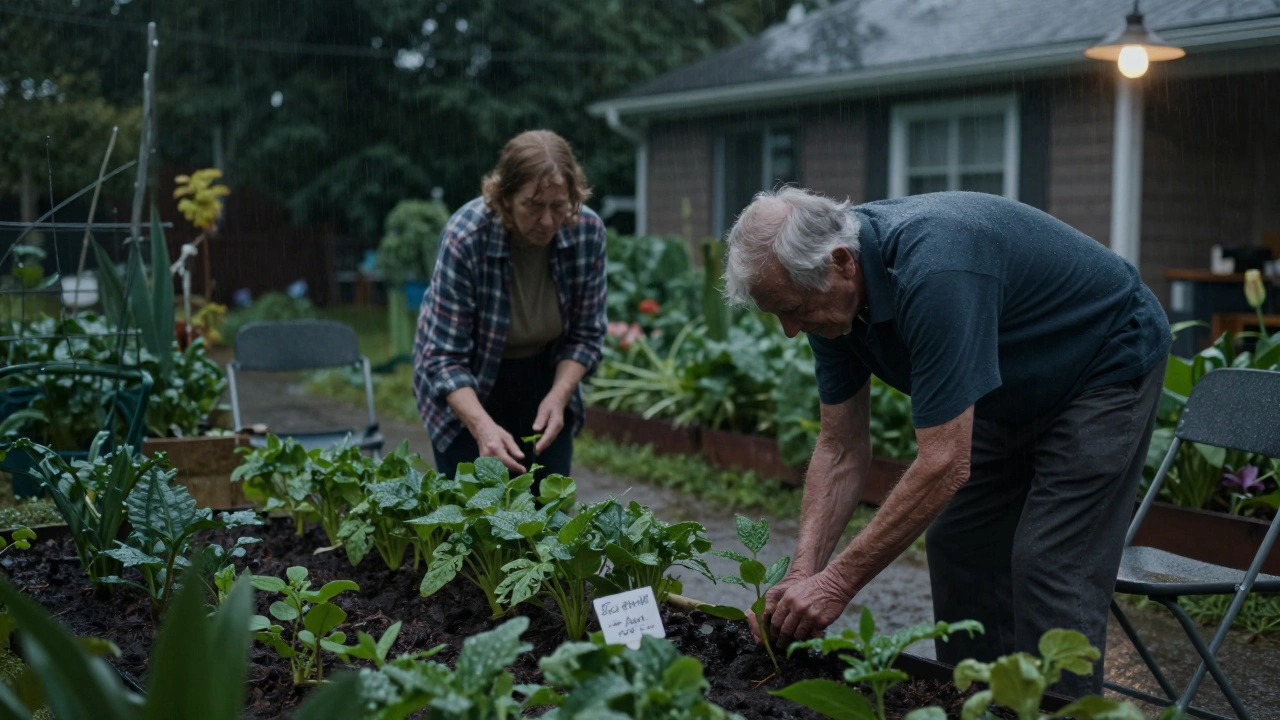
A nonprofit in Porirua ran weekly gardening sessions for seniors. Attendance dropped to three people after three months. Instead of canceling, they kept going. They brought extra seeds. They talked about the weather. They laughed. Six months later, four new neighbors showed up. Then eight. Then a local school started sending students. Why? Because those three people told their friends: "They never quit. Even when it was just them and the weeds."
Consistency builds credibility. And credibility is the currency of real engagement.
Co-creation: Let people design the solution
This is where most outreach efforts fail. They come in with a plan. "We’re going to start a tutoring program." Or, "We’re going to build a playground." Then they ask for feedback. That’s not co-creation. That’s consultation.
Co-creation means handing over the pen. It means asking: "What would you build if you had the money, the time, and the power?" Then listening-really listening-and letting go of your original idea.
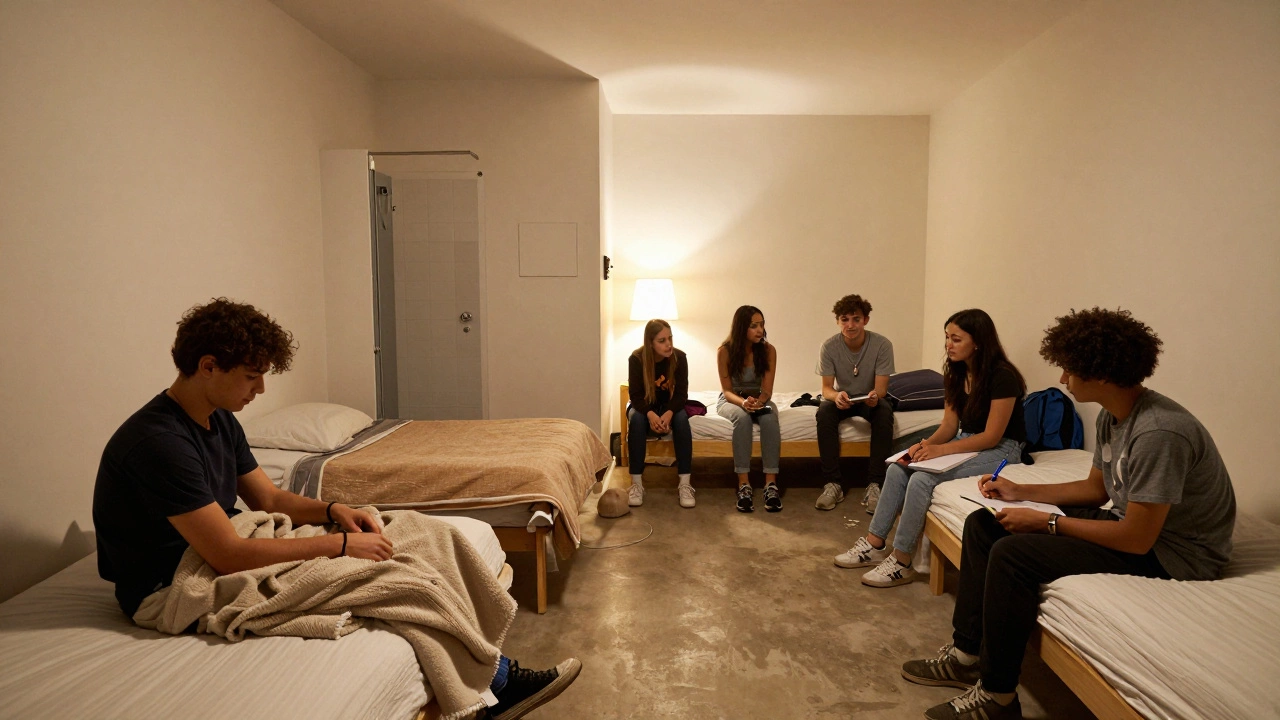
In Lower Hutt, a group wanted to start a youth center. They spent months designing a space with beanbags, computers, and a kitchen. Then they showed the plan to teens. One boy said, "We don’t need computers. We need a place to sleep."
They scrapped the whole plan. Turned a vacant shop into a 24-hour safe space with beds, showers, and a quiet room. No tutors. No games. Just safety. And now, 80 teens walk in every night. Not because it was "good for them." But because they built it themselves.
Co-creation doesn’t mean giving up leadership. It means giving up control. Your role shifts from organizer to facilitator. From expert to learner.
Why the 3 C’s work when everything else fails
Most community programs are built on a single assumption: people need help. But the real need isn’t help. It’s dignity. It’s belonging. It’s being treated like someone who has something to offer-not just something to receive.
Connection gives people a reason to care. Consistency gives them a reason to trust. Co-creation gives them a reason to stay.
Look at the data. A 2024 study from Massey University tracked 147 community initiatives across New Zealand. Groups that practiced all three C’s had 73% higher long-term participation. They also had 60% fewer burnout rates among volunteers. Why? Because people weren’t being used. They were being invited.
What happens when you miss one C?
Connection without consistency? You become a one-time event. People show up once, feel good, and never come back.
Consistency without connection? You become a charity. People feel like recipients, not partners.
Co-creation without connection? You get chaos. Ideas come from everywhere, but no one feels anchored. The project collapses under its own weight.
Each C supports the others. Skip one, and the whole thing wobbles.
How to start today
- Do one thing this week: Visit a place where your target group gathers. Don’t bring anything. Just sit. Listen. Say hi to three people.
- Ask yourself: When was the last time you followed up with someone after an event? Do it now.
- Try this: Next meeting, don’t present your plan. Ask: "What’s one thing you wish we’d stop doing?" Then shut up and write down every answer.
You don’t need a budget. You don’t need fancy tools. You just need to show up, stay, and let people shape the path.
Are the 3 C’s only for nonprofits?
No. The 3 C’s work for any group trying to build lasting community involvement-schools, churches, local councils, even small businesses. A café in Newtown started hosting free night-time study space for teens. They didn’t advertise. They asked students what they needed. Now, the café has become a hub because the teens helped design the rules, the hours, and even the menu. It’s not charity. It’s community.
Can I apply the 3 C’s if I’m working alone?
Absolutely. You don’t need a team to start. One person who shows up consistently and listens deeply can spark a movement. In Tauranga, a retired teacher started leaving books on park benches with notes: "Take one. Leave one." Three months later, neighbors started adding their own books. A year later, there was a full library. It wasn’t organized. It was organic. Because one person was consistent, connected, and let the community lead.
What if people don’t respond to my efforts?
Sometimes, silence isn’t rejection-it’s exhaustion. People may not respond because they’ve been asked for input too many times, only to be ignored. Try this: don’t ask for feedback. Just show up with something useful-a meal, a tool, a ride-and say nothing. Let them see your consistency before you ask for anything in return. Trust grows slowly, but it lasts.
Is there a fourth C?
Some people talk about "Courage" or "Commitment," but those are outcomes of the first three. If you build Connection, Consistency, and Co-creation, Courage follows. You’ll have the courage to change your plan. You’ll have the courage to admit when you’re wrong. You’ll have the courage to keep going when no one claps. The 3 C’s aren’t a checklist-they’re a rhythm.
How do I measure success?
Stop counting heads. Start counting stories. How many people have you seen change their minds? How many have said, "I used to think this was pointless, but now I get it"? How many have started helping others because of what they experienced? Real engagement isn’t measured in numbers. It’s measured in ripple effects.