Rapid Rehousing Rental Assistance Calculator
Rental Assistance Calculator
Calculate your potential rental assistance under rapid rehousing programs. Based on HUD guidelines, programs typically cover 70% of rent (with tenant paying 30%) for 3-6 months.
Your Assistance Estimate
* Based on standard HUD guidelines: 30% tenant contribution (up to maximum rent), 70% program coverage. Actual assistance varies by location and program.
Eligibility Information
You qualify for rapid rehousing if you're experiencing homelessness (e.g., staying in shelters, vehicles, or temporary housing) with no current barriers like criminal record or employment status.
When someone loses their home, time is the one thing they can’t afford to waste. In the United States, rapid rehousing programs were created to get people out of shelters and into stable housing as quickly as possible-often within days or weeks, not months or years. Unlike traditional homeless services that focus on long-term shelters or transitional housing, rapid rehousing cuts through the red tape. It gives people the tools they need to move into their own apartments right away: rental assistance, case management, and help finding a landlord willing to rent to them.
How Rapid Rehousing Works
Rapid rehousing isn’t a single national program. It’s a set of strategies funded mostly by the U.S. Department of Housing and Urban Development (HUD) and local governments. The goal is simple: move people into permanent housing fast and keep them there. There are three main pieces to every rapid rehousing effort.
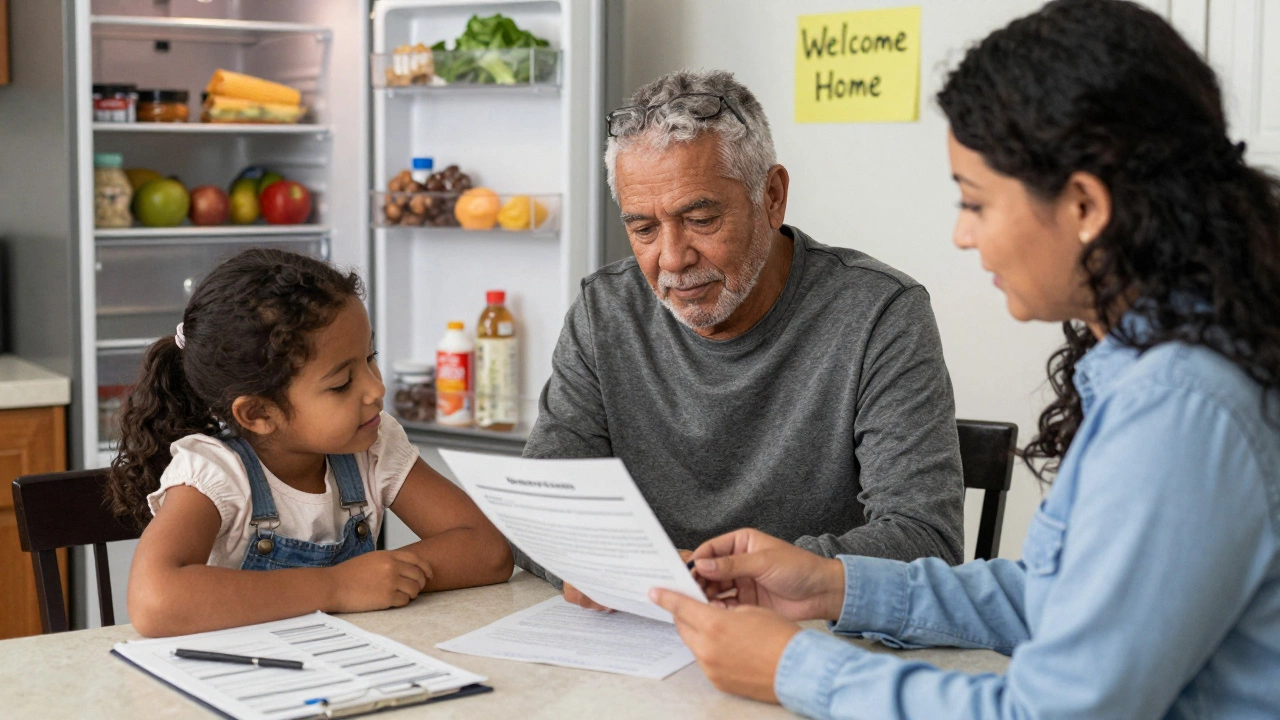
- Rental assistance: Most programs cover part or all of the rent for a few months. This isn’t a handout-it’s a bridge. People pay a portion of their income (usually 30%), and the program covers the rest. This helps them rebuild credit and establish a payment history.
- Case management: A case worker helps with everything from finding an apartment to applying for food stamps or getting a job. They don’t just hand out forms-they show up, follow up, and stay in touch until the person is stable.
- Housing identification: Staff work directly with landlords to convince them to rent to people with low income or past evictions. Many landlords are hesitant, but programs offer guarantees like damage deposits or direct rent payments to reduce risk.
One program in Phoenix, Arizona, helped over 7,000 people find housing in just two years. Their secret? They didn’t wait for someone to be "ready". They started with housing, then added support.
Who Qualifies?
Rapid rehousing isn’t just for families with kids or people with disabilities. It’s for anyone experiencing homelessness-even if they’ve been on the streets for months or have a criminal record. The only real requirement is that they’re not currently in a shelter or transitional housing. If you’re sleeping in a car, a tent, or couch-surfing, you’re eligible.
Programs prioritize those most at risk: veterans, people with serious health issues, families with children, and survivors of domestic violence. But they don’t turn anyone away. In cities like Los Angeles and Seattle, even people who’ve been homeless for over a year are eligible. The focus is on speed, not perfection.
Why It’s Different From Shelters
Shelters are necessary, but they’re not a long-term solution. They’re crowded, often unsafe, and don’t offer privacy or stability. People can’t work, study, or heal properly in a shelter. Rapid rehousing changes that. Instead of asking someone to "earn" their way into housing, it gives them housing first.
Studies show this approach works. A 2023 report from the Urban Institute found that 82% of people placed in rapid rehousing programs were still housed one year later. That’s compared to just 41% for those who stayed in shelters without rapid rehousing support.
One mother in Cincinnati, after months in a women’s shelter with her two kids, got into a two-bedroom apartment through rapid rehousing. She told a reporter: "I didn’t have to beg. I didn’t have to prove I was worthy. They just gave me a key. That changed everything."
Where It’s Working Best
Not every city does rapid rehousing the same way. Some focus on large-scale citywide rollouts. Others use small nonprofits to target specific neighborhoods.
In Salt Lake City, a program launched in 2014 cut chronic homelessness by 91% over a decade. They combined rapid rehousing with permanent supportive housing for people with severe mental illness. In New Orleans, after Hurricane Katrina, rapid rehousing became the backbone of their recovery plan-helping over 12,000 households avoid long-term displacement.
Programs that work best have strong partnerships between housing authorities, local nonprofits, and landlords. Some even offer signing bonuses to landlords who rent to formerly homeless tenants. Others train real estate agents to help clients find housing without discrimination.
The Challenges
Rapid rehousing isn’t perfect. One big problem? Housing shortages. In cities like San Francisco and New York, there simply aren’t enough affordable apartments. Even with rental assistance, landlords may refuse to rent to people on government aid.
Another issue is funding. Most programs rely on federal grants that expire after two years. That means people might get housed, but if funding runs out before they can cover rent on their own, they could end up back on the streets.
Some critics say rapid rehousing ignores the root causes of homelessness-like low wages, mental illness, or lack of healthcare. But supporters argue you don’t fix a broken roof by painting the walls. You fix it by putting a new roof on first. Once someone has a home, then you can help them with therapy, jobs, or education.
What Happens After?
The real test of rapid rehousing isn’t how many people get housed-it’s how many stay housed. Programs track outcomes for at least a year. If someone loses their housing, they’re offered help again. No stigma. No waiting list. Just a call back.
Many programs now include financial coaching. They teach budgeting, how to avoid eviction, and how to build credit. Some even help people apply for Section 8 vouchers or move into subsidized housing after the initial rental assistance ends.
In Portland, Oregon, a program added a simple twist: they gave participants a $100 gift card for moving-in essentials-sheets, a toaster, cleaning supplies. It sounds small, but it made people feel like they were starting fresh, not just surviving.
How You Can Help
If you live in the U.S. and want to support rapid rehousing, there are real ways to get involved. Donate to local housing nonprofits. Volunteer to help with move-in logistics. Advocate for policies that increase affordable housing funding. Some cities even have landlord incentive programs where you can donate to cover security deposits or damage fees.
One of the biggest barriers isn’t money-it’s stigma. Many people believe homelessness is a choice or a failure. But rapid rehousing proves otherwise. It’s not about fixing people. It’s about fixing systems.
Homelessness isn’t solved by shelters alone. It’s solved by keys, leases, and dignity.
Are rapid rehousing programs only for families?
No. While families with children are often prioritized, rapid rehousing programs are available to individuals, veterans, couples, and people with disabilities. The main requirement is that the person is experiencing homelessness and not already in transitional housing. Single adults make up nearly half of all participants in these programs.
How long does rental assistance last in rapid rehousing?
Rental assistance typically lasts between three and six months, though it can be extended up to 24 months in some cases-especially if the person has a disability or is a veteran. The goal is to help people get on their feet until they can afford rent on their own. Case workers help them build savings and apply for other benefits during this time.
Do you need to have a job to qualify for rapid rehousing?
No. You don’t need to be employed to qualify. Many participants are unemployed, underemployed, or receiving disability benefits. The program focuses on housing stability first. Once someone has a home, case managers help them find jobs, apply for training, or access healthcare-not the other way around.
Can someone with a criminal record get into rapid rehousing?
Yes. Most rapid rehousing programs do not exclude people based on criminal history. Some landlords may have their own rules, but the programs work to find landlords willing to rent to anyone. In fact, programs often help people with records by offering landlord guarantees and background check support to reduce risk.
Is rapid rehousing the same as Section 8?
No. Section 8 is a long-term federal housing voucher program that can take years to get into. Rapid rehousing is short-term, flexible, and designed for immediate placement. It’s often used as a bridge to Section 8 or other permanent housing programs. Many people enter rapid rehousing first, then transition into Section 8 once they’re stable.