Youth Activities: What Works, What Doesn't, and How to Get Involved
When we talk about youth activities, structured, meaningful experiences designed for young people to learn, contribute, and grow within their communities. Also known as youth engagement programs, these aren’t just after-school distractions—they’re the foundation for lifelong civic habits. The best ones don’t feel like chores. They don’t force kids to sit through boring meetings or collect signatures for petitions they don’t care about. Real youth activities give teens a voice, a team, and something they can point to and say, "I made that happen."
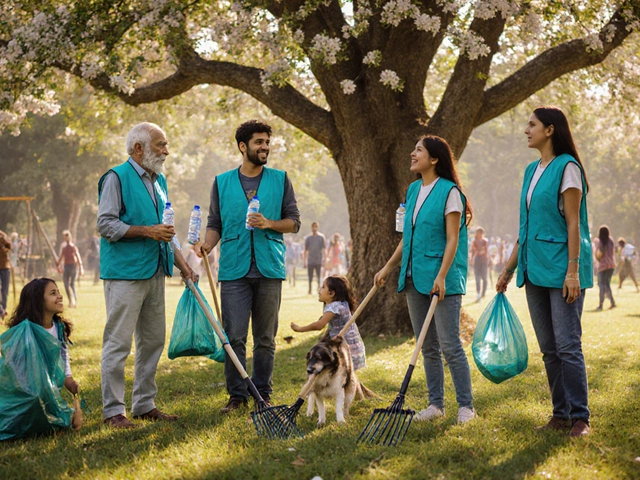
Many of these programs start small. Think of the youth organizations, groups formed by and for young people to address local issues, from environmental cleanups to mental health awareness. Also known as teen-led initiatives, they’re often the most effective because they’re built on trust, not top-down rules. The first modern youth organization, the YMCA, started in 1844 to help young men in cities find purpose. Today, it’s not about religion—it’s about belonging. Whether it’s a school club that turns waste into art, a group that runs food drives for neighbors, or teens organizing clean-up days at local parks, these aren’t just activities. They’re training grounds for leadership.
Volunteering for teens isn’t just something to put on a resume—it’s how they learn responsibility, problem-solving, and how systems actually work. A study from the University of Michigan found that teens who regularly volunteer are 50% more likely to vote as adults. That’s not magic. It’s because they’ve seen how change happens: through persistence, teamwork, and showing up—even when no one’s watching. And it’s not just about big charities. The most powerful youth activities happen right where you live: fixing up a community garden, tutoring younger kids, or starting a peer support group. These aren’t optional extras. They’re essential parts of growing up in a connected world.
But not all youth activities are created equal. Some are performative—designed to look good for donors or school reports. The ones that stick are the ones where teens have real power: to pick the project, set the schedule, and decide what success looks like. When a group of high schoolers in Oregon turned a vacant lot into a native plant garden, they didn’t just plant flowers. They changed how the city saw them. Now, they’re consulted on public space design. That’s the difference between doing something for the sake of doing it, and doing something because it matters.
What’s missing from most youth programs? Consistency. One-off events don’t build skills. They build boredom. The best programs run year-round, with clear roles, real feedback, and room to fail. They let teens lead, not just follow. And they connect to bigger issues—climate change, food access, mental health—not as abstract topics, but as problems they can help solve.
Below, you’ll find real stories from teens and organizations making a difference—not because they had funding or fancy logos, but because they showed up, kept going, and refused to wait for permission. Whether you’re a teen looking for your next step, a parent wondering how to help, or a community leader trying to support young people, these posts show what actually works.
Discovering Traditional Youth Organizations: A Look at Scouting
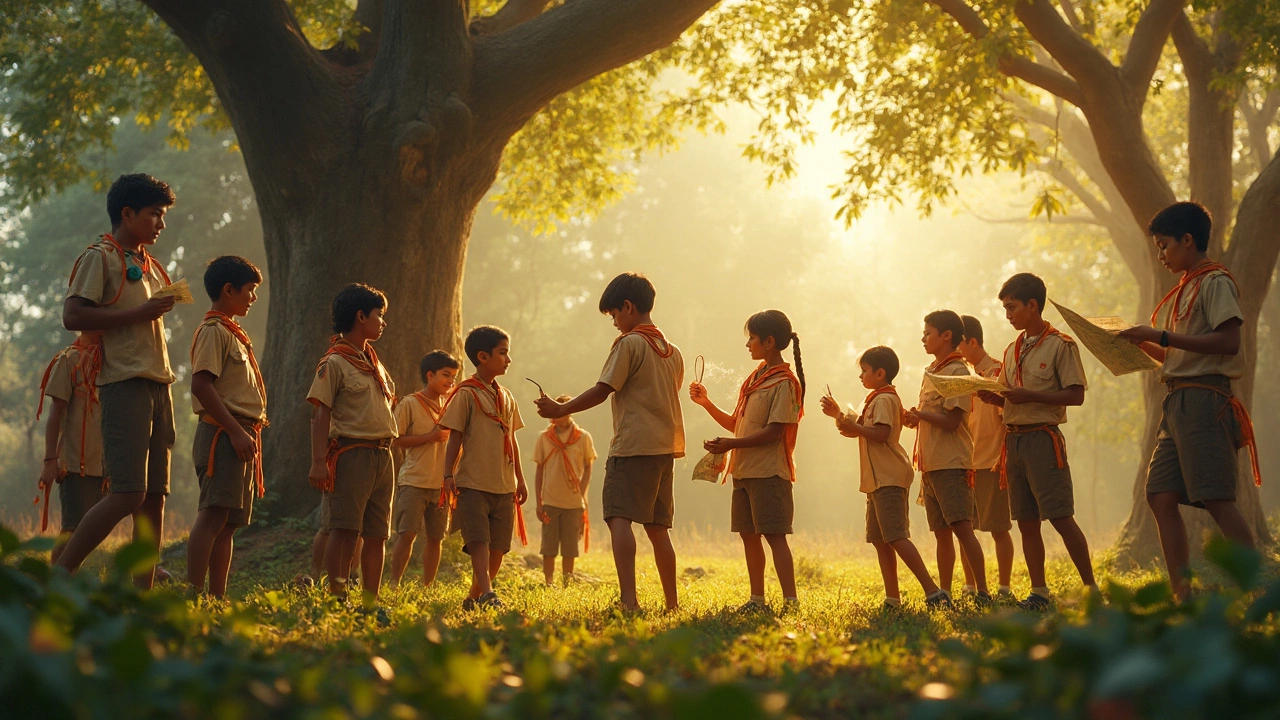
Traditional youth organizations have played a pivotal role in shaping skills and values for generations. This article explores scouting, a time-tested organization that has impacted millions worldwide. Learn about its origins, enduring appeal, and the skills it imparts to young participants. Discover tips for involvement and how technological adaptation ensures scouting remains relevant today. Unveil the secrets behind its sustained success and influence on youth development.
DetailRelated Posts