World Wildlife Fund
When you think of World Wildlife Fund, a global nonprofit dedicated to protecting nature and reducing the most pressing threats to the diversity of life on Earth. Also known as WWF, it’s one of the most recognized environmental groups in the world, operating in over 100 countries with a mission to stop the degradation of the planet’s natural environment. It doesn’t just raise money—it runs field programs, lobbies governments, and partners with local communities to save species like tigers, elephants, and sea turtles from extinction.
The World Wildlife Fund works closely with other conservation organizations like Greenpeace and the Sierra Club, but its approach is unique: it combines science, policy, and on-the-ground action. Unlike some groups that focus only on protests or awareness, WWF has scientists in the field tracking animal populations, negotiators at UN climate summits, and local rangers protecting forests in the Amazon and Congo. It also partners with businesses—yes, even big corporations—to make supply chains more sustainable, like pushing for palm oil that doesn’t destroy orangutan habitats.
It’s not just about saving animals. The climate action work of the World Wildlife Fund is deeply tied to human survival. When forests disappear, carbon gets released. When oceans are overfished, food chains collapse. When rivers are dammed or polluted, communities lose clean water. WWF’s projects in places like Bangladesh and Nepal aren’t just about pandas or polar bears—they’re about protecting the natural systems that keep people alive. That’s why their work connects directly to issues like food security, clean water access, and even job creation through eco-tourism and sustainable farming.
You don’t need to be a scientist or a millionaire to help. The posts below show how people just like you—volunteers, donors, even students—have made real differences by supporting groups like WWF. Some helped run local fundraising events that actually turned a profit. Others used their resumes to show employers how their conservation work proved leadership and problem-solving skills. A few even dug into the numbers to find out which charities use donations most effectively—and WWF often ranks high because of its transparency and measurable outcomes.
What you’ll find here aren’t just stories about cute animals. You’ll find real talk about how environmental groups operate, who funds them, what actually works, and how you can get involved without getting burned by flashy campaigns. Whether you’re wondering if volunteering with a group like WWF looks good on a job application, or if fundraising for wildlife really pays off, the answers are here—no fluff, no hype, just what’s true and what matters.
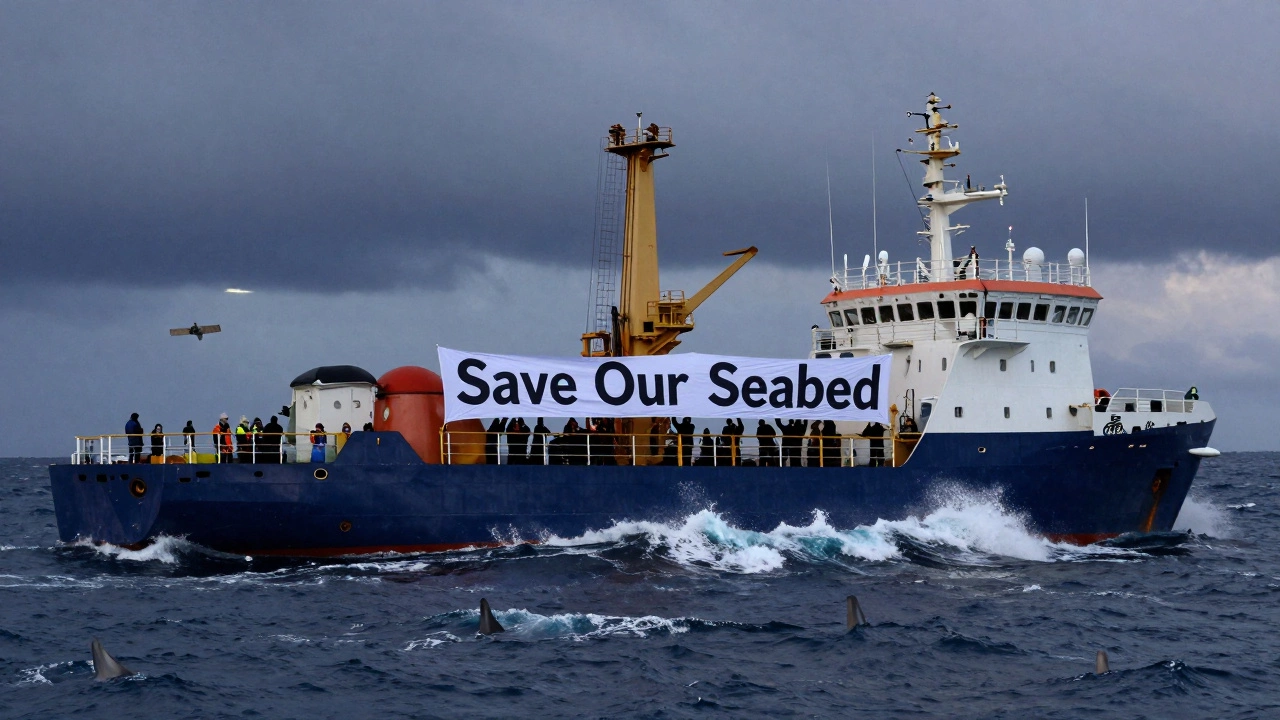
What Are the Two Major Environmental Organizations Making a Difference Today?
Greenpeace and the World Wildlife Fund are the two most influential environmental organizations today, driving global change through activism and science. Learn how they work, their biggest wins, and how you can help.
DetailRelated Posts