School Activities: What Works, What Doesn't, and How to Make Them Matter
When we talk about school activities, organized programs outside regular class hours that help students develop skills, build relationships, and engage with their communities. Also known as after-school programs, they're not just about keeping kids busy—they're where many students discover their voice, passion, or next step in life. Too often, these programs get treated like optional extras, squeezed in between tests and homework. But the best ones? They’re the reason a shy kid finds confidence, a struggling student finds a mentor, or a group of teens starts a local clean-up crew that turns into a full-blown movement.
Student engagement, how deeply students connect with and commit to learning experiences beyond the classroom doesn’t happen by accident. It happens when activities feel real—not forced. Think less boring art club meetings and more students running a food drive for their neighborhood, or designing a campaign to reduce plastic use in the cafeteria. That’s the kind of community outreach, direct, consistent effort to connect schools with local needs and people that sticks. And it’s exactly what the posts here show: real examples of school groups making change, not just ticking boxes.
Some schools still treat activities as a perk for the ‘good kids’—the ones with perfect attendance and straight A’s. But the truth? The kids who need these programs most are often the ones who don’t sign up. Why? Because the activities don’t speak to them. They’re not about talent shows or debate teams—they’re about belonging, purpose, and seeing their own lives reflected in what they do. That’s why the most powerful school activities are the ones shaped by students themselves, not just teachers or administrators.
And it’s not just about the kids. When school activities work well, they pull in parents, local businesses, and community groups. A simple gardening club can turn into a partnership with a food bank. A coding workshop can connect with a tech nonprofit. These aren’t just extracurriculars—they’re bridges between classrooms and the real world. The posts below show you how that happens: from low-budget clubs that exploded in impact, to student-led initiatives that changed school policy, to programs that helped teens land jobs just by showing up consistently.
You’ll find stories here about what actually keeps kids coming back—not glitter and trophies, but trust, relevance, and a chance to make a difference. You’ll see how some schools turned empty rooms into hubs of action, how others fixed broken programs with one simple change, and how even the smallest group can grow into something bigger than anyone expected. No fluff. No hype. Just what works, what doesn’t, and how to make school activities mean something—beyond the bell.
Top After-School Clubs Kids Love Most
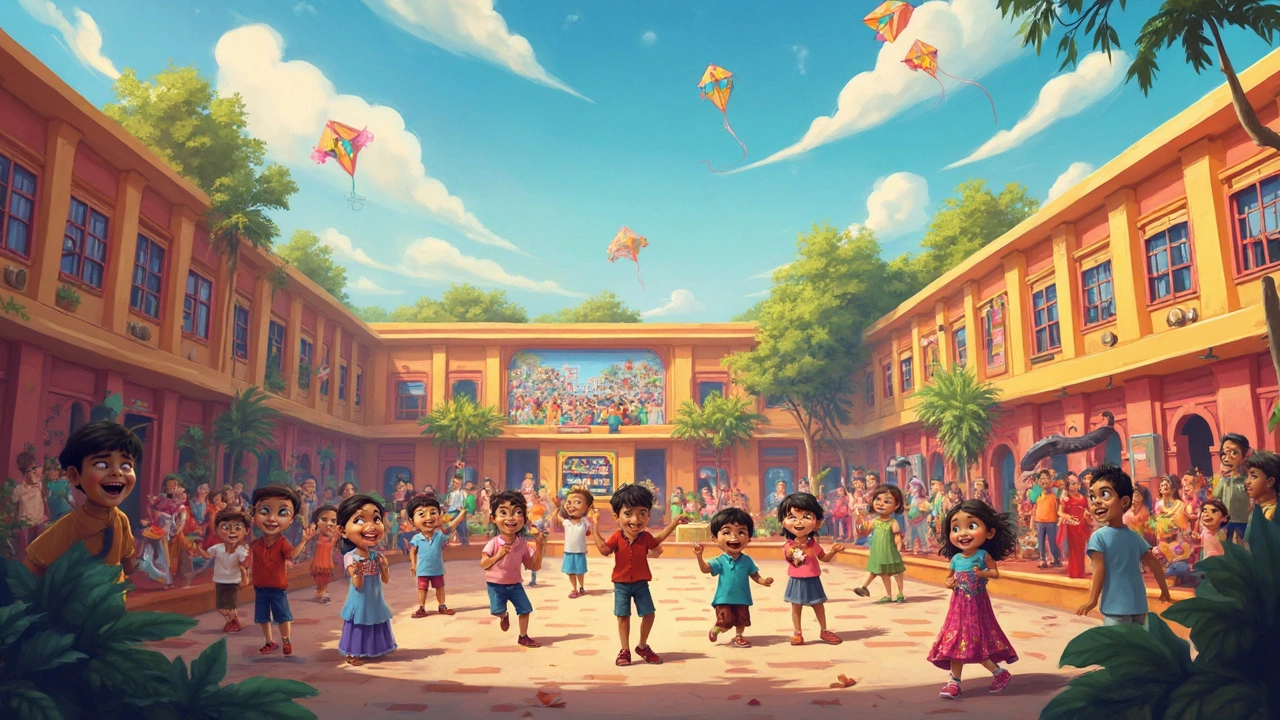
Dive into the vibrant world of after-school clubs, where kids can explore interests, make lasting friends, and build skills. We explore the popularity of various clubs by analyzing real-world participation trends. Discover tips on choosing the best activity for your child, from robotics and coding to drama and art. Uncover why these clubs are vital for a child's growth beyond the classroom.
DetailRelated Posts