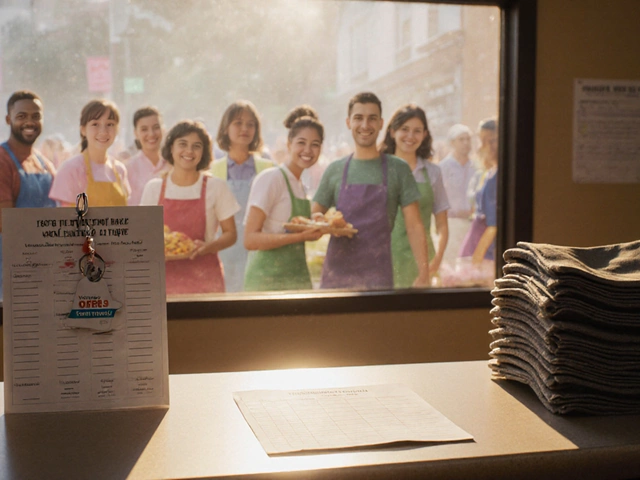
Resume Tips: How to Write a Resume That Gets Noticed
When you're looking for a job, your resume, a concise document that summarizes your work history, skills, and achievements to attract potential employers. Also known as a CV, it's often the first—and sometimes only—chance you get to make a good impression. Most resumes get tossed in under 7 seconds. That’s not because hiring managers are rude. It’s because they’re overwhelmed. The good news? You don’t need a fancy design or a poetry degree to stand out. You just need to cut the noise and show them why you’re the one who actually solves their problem.
What makes a resume work isn’t what you list—it’s what you leave out. Employers don’t care that you were president of the debate club in 2012 unless you can tie it to a result. They care about outcomes: Did you increase sales? Reduce errors? Lead a team through a crisis? Your job application, the complete package of documents and actions you submit to apply for a position is a sales pitch, not a biography. Every line should answer: What did you do, and how did it help someone else?
Many people think resume writing, the process of crafting a professional document that highlights qualifications for employment means stuffing it with buzzwords like "synergy" or "results-driven." But the truth? Hiring managers see those words so often they stop reading. Instead, use clear, specific language. Say "cut customer service response time by 40%" instead of "improved customer satisfaction." Use numbers. Use verbs. Show movement. And never, ever write "references available upon request." That’s not a thing anymore. It’s just wasted space.
Your employment skills, the practical abilities and competencies you bring to a job, including both hard and soft skills matter more than your degree. A person who learned Excel by fixing their cousin’s budget can outperform someone who took a course on it. Employers want proof you can do the work—not that you sat through a lecture. So if you’ve managed a volunteer project, handled family finances during tough times, or even organized a community clean-up, that’s experience. Frame it like a job. Because it is.
There’s no magic formula. But there are patterns. The best resumes are simple, scannable, and specific. They don’t try to be everything to everyone. They answer one question: Can this person fix what we’re struggling with? The posts below show you exactly how real people pulled that off—with no corporate jargon, no recycled templates, and no guesswork. You’ll see what works, what doesn’t, and how to turn your own story into something hiring managers can’t ignore.

Does Volunteering Look Good on Job Applications?
Volunteering on your resume isn't just charity - it's proof of initiative, reliability, and real-world skills. Learn how to turn your volunteer work into a powerful asset that gets you hired.
Detail
Do Employers Really Care About Volunteer Work?
Volunteer work can play a bigger role in job applications than many realize. Employers often view it as a testament to one's skills, dedication, and values. Highlighting volunteer experiences can set candidates apart by demonstrating real-world impact and unique problem-solving abilities. This article explores why and how to effectively include volunteer work in your resume to capture potential employers' attention.
DetailRelated Posts